Personalized Medical Care & Dedicated International Patient Concierge


Specialty Overview
Acne & Scar Treatment
Acne and acne scar treatment at SeouLeaguer Dermatology in Gangnam, Seoul — medical acne care, scar resurfacing, post-acne redness, chemical peels, skin scaling and PDT, reviewed by board-certified dermatologists and a…
Schedule a ConsultationAcne & Scar Treatment

Medically reviewed by Dr. Lee Jung Hoon, Dr. Kim Sung Wook (board-certified dermatologists) and Dr. Choi Hang Seok (board-certified plastic surgeon), SeouLeaguer Dermatology, Seoul
Acne & Scar Treatment includes medical and aesthetic approaches designed to manage active acne, reduce inflammation, prevent new breakouts, and improve the appearance of acne scars and post-acne marks, with treatment selected according to acne severity, scar type, skin condition, and individual goals.
What Is Acne & Scar Treatment?
International patients seek this category of treatment to manage persistent or recurrent acne, reduce visible acne marks and scars, and improve overall skin texture, often requesting an individualized plan that combines different approaches for active acne and established scars rather than a single standalone procedure. Because acne and its aftermath are not one condition but several — active breakouts, redness left behind once lesions heal, textural scarring of several distinct types, and simple surface congestion — the six services on this page split along those lines rather than offering one universal "acne treatment" for every patient who walks in with a skin concern connected to acne.
Patients sometimes describe their goal simply as wanting "clear skin," without distinguishing between active breakouts that are still happening now and scars or marks left over from breakouts that have already resolved. Part of the consultation's value is separating these two timelines, since a service aimed at calming active inflammation is not the same service that improves a depressed scar from three years ago, and treating the wrong one first can waste a patient's time and travel budget on a trip built around clearing up skin.
- Mechanism: varies substantially by service — medical and topical approaches target active acne and inflammation directly, while laser, microneedling, chemical, and light-based services address scarring, redness, and surface texture through different routes.
- Positioned for patients with active acne, post-acne pigmentation or redness, depressed or raised acne scars, or uneven skin texture seeking professional assessment and treatment.
- Pain control varies by service, from no anesthesia for gentle treatments to topical or local anesthesia for more intensive procedures.
- Active acne control may require ongoing treatment and maintenance, while scar improvement generally develops gradually as the skin heals and remodels over multiple sessions.
Who Performs Acne & Scar Treatment at SeouLeaguer Dermatology
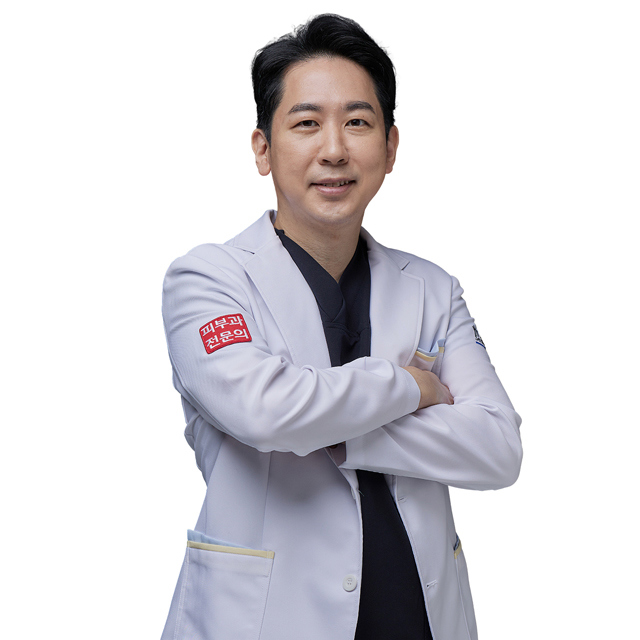
Dr. Lee Jung Hoon, Chief Director Board-certified Dermatologist Dr. Kim Sung Wook
Board-certified Dermatologist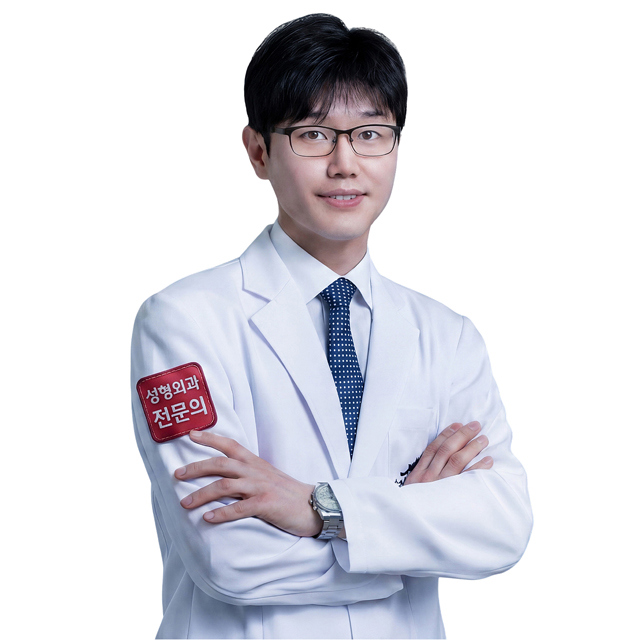 Dr. Choi Hang Seok
Board-certified Plastic Surgeon
Acne & Scar Treatment sits under SeouLeaguer Dermatology's own specialty grouping, where candidacy assessment and treatment planning are shared by the clinic's three specialists: Dr. Lee Jung Hoon (board-certified dermatologist, Chief Director, 24+ years of practice), Dr. Kim Sung Wook (board-certified dermatologist, 29+ years of experience, professor of dermatology at the Catholic University of Korea), and Dr. Choi Hang Seok (board-certified plastic surgeon, residency at Seoul St. Mary's Hospital, The Catholic University of Korea). The clinician evaluates the type, severity, and distribution of acne, as well as pigmentation, redness, scar type, skin texture, and skin sensitivity, reviewing medical history, medications, previous treatments, and any history of abnormal scarring before developing an individualized plan across one or more of the six services.
Acne & Scar Treatment Options Available
SeouLeaguer Dermatology offers six services under this specialty, spanning active acne management, scar resurfacing, redness-specific treatment, chemical exfoliation, gentle surface scaling, and a specialized light-activated therapy.
| Service | Typical focus | Mechanism detail |
|---|---|---|
| Acne Treatment | Active breakouts, inflammation, recurrence | Medical approach using topical or oral medication, peels, or light/laser-based procedures |
| Acne Scar Treatment | Depressed scars, raised scars, uneven texture | Laser, microneedling, subcision, or combination resurfacing approaches |
| Post-Acne Redness Treatment | Persistent red marks after acne has healed | Vascular laser or light-based treatment targeting residual redness |
| Chemical Peel Treatment | Superficial acne marks, tone, texture | Chemical solution exfoliates damaged surface layers to promote renewal |
| Skin Scaling | Surface buildup, clogged pores, dullness | Gentle exfoliation or scaling method removing dead skin and debris |
| PDT (Photodynamic Therapy) | Oily, congested, recurrence-prone acne | Photosensitizing drug followed by targeted light or laser irradiation |
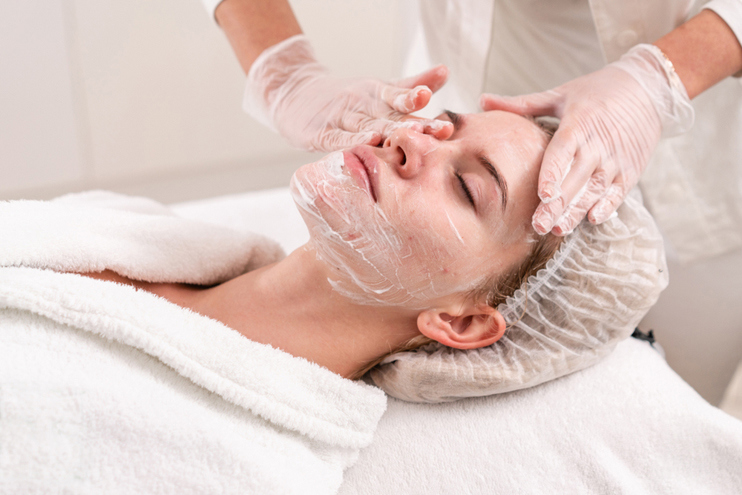
**Acne Treatment.**The clinic's core medical approach to active breakouts, selected according to acne type and severity, intended to reduce inflammation and the frequency of future breakouts.**Acne Scar Treatment.**A personalized, often multi-procedure approach to depressed, raised, or textural scarring left once active acne has stabilized, with the specific combination determined by scar type.**Post-Acne Redness Treatment.**Targets the lingering red marks that remain after acne lesions heal, distinct from scarring in texture and from active acne in that the underlying breakout has already resolved.**Chemical Peel Treatment.**A chemical-solution resurfacing option for superficial acne marks, uneven tone, and rough texture, with peel type and strength selected according to the patient's skin.**Skin Scaling.**The gentlest option on this page, removing surface buildup and dead skin cells to support smoother, clearer-looking skin without addressing deeper scarring or active inflammation.PDT (Photodynamic Therapy). A specialized light-activated treatment using a photosensitizing drug followed by targeted laser irradiation, positioned for patients with oily, congested, or recurrence-prone acne who want a non-oral medication route.
Patients sometimes ask which single service will "fix" their acne and scarring in one visit. The clinic's physicians generally explain that active acne and established scarring are different problems on different timelines — scars are usually not meaningfully treated until active acne is reasonably controlled, since a scar-focused procedure performed on inflamed, actively breaking-out skin carries its own added risk and is less likely to produce a good result.
The treating physician typically starts by establishing whether the skin is currently in an active, breaking-out state or has already settled down, since this single question sorts the six services into two rough groups: Acne Treatment and PDT belong to the active phase, Post-Acne Redness Treatment and Acne Scar Treatment belong to the settled phase once inflammation has resolved, and Chemical Peel Treatment and Skin Scaling can be relevant at either stage depending on how severe the remaining concern is.
International patients who contact the clinic before travel are often carrying photos spanning months or years of breakouts, and the physicians generally ask that these be shared ahead of the in-person consultation so the team can start forming an impression of severity and scar pattern before the patient arrives. This does not replace the hands-on assessment, since lighting, skin texture, and depth of scarring are difficult to judge from photographs alone, but it allows the first in-person visit to move more directly toward a concrete plan rather than starting from zero.
It is also common for patients to arrive expecting one of the more visible, higher-intensity procedures — laser resurfacing, for instance — only to learn after assessment that their skin is not ready for it yet, because active inflammation or infection would make that procedure riskier and less effective. In those cases, the physician may recommend starting with Acne Treatment or PDT to bring the active condition under better control first, with scar-focused procedures planned for a later stage, sometimes a later trip, once the skin has stabilized.
Patients are also sometimes surprised that scar improvement is rarely a one-visit outcome even for the more intensive procedures. A depressed acne scar that took years to form through repeated inflammation and tissue damage does not resolve in a single laser session or a single round of subcision; most scar-focused services here are planned as a course of several sessions spaced weeks apart, with each session building on the skin's response to the one before it. This is one of the more important expectations the clinic sets during the initial consultation, since it directly affects how an international patient plans travel and budget around the treatment.
Who Is a Good Candidate for Acne & Scar Treatment?

- Patients with active acne, post-acne pigmentation or redness, depressed acne scars, raised scars, or uneven skin texture seeking professional assessment and treatment.
- Candidates should accept that the appropriate service, or sequence of services, depends on the type and severity of their acne or scarring rather than a single universal protocol.
- Patients with certain active skin infections, uncontrolled skin conditions, severe irritation, or medical conditions that make a particular treatment unsafe may need to postpone treatment.
- Some procedures may also be unsuitable during pregnancy or while taking certain medications, which the treating physician reviews directly at consultation.
What to Expect: Procedure, Recovery, and Results Timeline
| Stage | What typically happens |
|---|---|
| Consultation | Acne type, severity, distribution, pigmentation, redness, scar type, texture, and sensitivity are evaluated, along with medical history and previous treatments. |
| Procedure | Depending on the service selected, treatment may involve topical or oral medication, chemical peels, laser or light-based treatment, microneedling, fractional resurfacing, RF-based procedures, scar subcision, or combinations. |
| Immediate aftermath | Temporary redness, swelling, dryness, peeling, sensitivity, bruising, or irritation may occur, varying by service. |
| Recovery | Varies considerably — topical treatments and gentle procedures may involve little or no downtime, while laser resurfacing, subcision, or other more invasive scar procedures may require several days or longer. |
| Results timeline | Active acne control may require ongoing treatment and maintenance; scar improvement generally develops gradually as the skin heals and remodels, often over multiple sessions. |
Before any treatment, preparation depends on the selected service, but generally involves avoiding excessive sun exposure and irritating skincare products and disclosing current medications, previous procedures, active skin conditions, and any history of abnormal scarring. Aftercare follows the clinic's treatment-specific instructions, keeping the skin clean and moisturized, using appropriate sun protection, and avoiding picking or irritating treated areas.
Because active acne control and scar improvement sit on genuinely different timelines, patients traveling specifically for this specialty are advised to set expectations accordingly: a single Seoul visit can meaningfully start acne control or complete a scar-focused procedure's initial session, but ongoing acne management and the full course of scar remodeling typically extend well beyond any single trip.
For international patients planning a multi-session course, the clinic can help map out a realistic schedule — for example, clustering two or three sessions of a given scar procedure across a single extended stay with the clinically required spacing between them, versus returning for separate shorter trips. Neither approach is universally better; it depends on the specific procedure's required interval, the patient's own travel flexibility, and how the skin responds after the first session, which the physician typically wants to observe before committing to the full remaining schedule.
Patients should also expect that the physician may adjust the plan partway through a course of treatment based on how the skin is actually responding, rather than following a fixed protocol regardless of outcome. Scar tissue in particular can respond unevenly even within the same patient — some areas improving faster than others — and the treating physician may recommend shifting emphasis between services, or adding a session of a different service entirely, once the early response is visible.
Combining Acne & Scar Treatment with Other Treatments
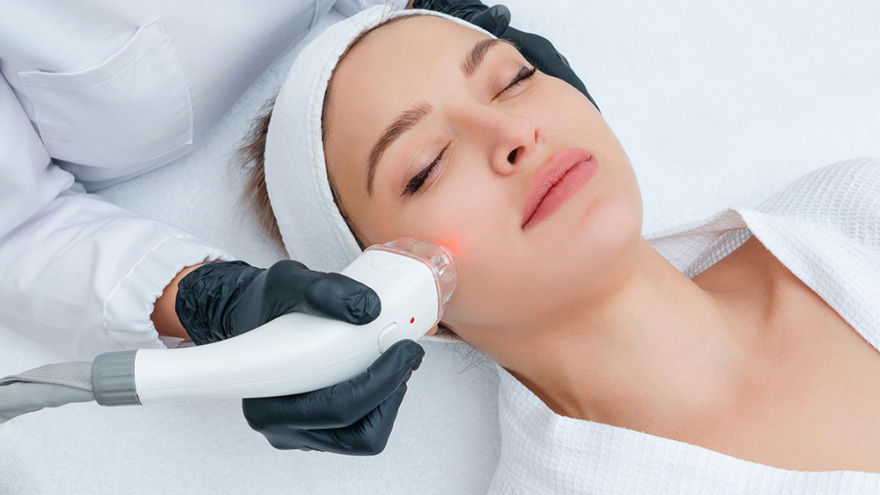
- Acne medication may be combined with procedures for scars or pigmentation once active acne is appropriately controlled.
- Different scar treatments, such as subcision, microneedling, laser, RF, or fillers, may be performed at separate stages depending on the scar pattern.
- Post-Acne Redness Treatment may be combined with acne treatment or pigmentation-focused procedures when clinically appropriate.
- PDT can sometimes be sequenced with peels, skin boosters, or scar-focused procedures, but the physician avoids pairing it with anything that would add further irritation on top of recently sun-exposed or already-reactive skin.
- A qualified clinician determines the appropriate sequence and spacing between services rather than the patient assuming any two can simply be combined in one visit.
Safety, Precision, and Clinic Standards
SeouLeaguer Dermatology is a Registered Medical Institution for Attracting Foreign Patients, certified by Korea's Ministry of Health and Welfare under the Act on Support for Overseas Expansion of Medical Services and Attraction of International Patients (Foreign Patient Attraction Registration No. M-2020-01-58584). Depending on the treatment, temporary redness, swelling, dryness, peeling, sensitivity, bruising, irritation, or temporary pigmentation changes may occur, while more intensive procedures can carry risks such as infection, prolonged pigmentation changes, burns, or scarring.
Because the appropriate service and intensity depend directly on the individual patient's acne severity, scar type, and skin sensitivity, the clinic's physicians assess each patient specifically before treatment rather than applying one fixed protocol across all six services. A patient dealing with an active skin infection, an uncontrolled skin condition, or a known tendency to scar abnormally should raise this openly at the first visit — it is exactly this kind of detail that helps the physician work out whether the service under discussion is actually the right fit, or whether one of the other five would serve the patient better.
Patients are also encouraged to disclose any history of complications from previous acne, scar, or resurfacing treatments, whether at this clinic or elsewhere, since prior response can meaningfully inform which service and settings are recommended for this visit.
The Bottom Line
- Acne & Scar Treatment covers six services spanning active acne management, scar resurfacing, redness-specific care, chemical peeling, gentle scaling, and PDT.
- Active acne and established scarring are different problems on different timelines, and scars are generally addressed only once active acne has stabilized.
- Results vary by service, scar type, and individual healing, with most scar-focused services requiring multiple sessions over weeks to months.
- The clinic's dermatologists and plastic surgeon work out which service, or sequence of services, actually fits a given patient's acne and scar history.
Frequently Asked Questions About This Specialty
**What exactly is Acne & Scar Treatment at SeouLeaguer Dermatology in Seoul?**It is a specialty covering six services — medical acne treatment, scar resurfacing, post-acne redness treatment, chemical peels, skin scaling, and PDT — addressing active acne, acne scars, and related skin concerns.**Can international patients travel to Seoul specifically to receive Acne & Scar Treatment?**Yes — patients routinely travel to SeouLeaguer Dermatology for this specialty, with eligibility and the specific combination of services confirmed individually once a skin assessment has been completed.**How long do I need to stay in Korea for acne or scar treatment?**Many services here are planned as a course of sessions rather than a single visit, so patients should discuss a realistic session count and schedule with the clinician before finalizing travel.**What does recovery look like after Acne & Scar Treatment?**Recovery varies considerably by service, from little or no downtime for gentle treatments to several days or longer for more intensive scar-focused procedures.**Does SeouLeaguer Dermatology offer Acne & Scar Treatment for international patients?**Yes, SeouLeaguer Dermatology offers Acne & Scar Treatment for international patients, with care led by the clinic's board-certified doctors and consultations available in English.**Can these treatments be combined with each other?**Several can be combined when clinically appropriate, though active acne is generally stabilized before scar-focused procedures begin, with the specific sequence worked out at consultation.**How many sessions does acne scar treatment usually take?**Most scar-focused procedures at this clinic are planned as a course of multiple sessions rather than a single visit, since scar tissue generally responds gradually to repeated treatment rather than resolving after one session.Will my acne come back after treatment? Acne can recur, particularly if the underlying triggers are not addressed, which is why the clinic's physicians generally frame active acne control as an ongoing process rather than a one-time fix, with maintenance recommendations provided after the initial course.
Some patients also ask whether at-home skincare alone can replace professional treatment for acne scarring. While a consistent home routine supports overall skin health and can help prevent new breakouts, established scars generally do not respond to topical products the way active acne can, which is part of why the clinic treats scar correction as a separate, procedure-based service rather than something a skincare routine alone is expected to resolve.
Book a Consultation at SeouLeaguer Dermatology
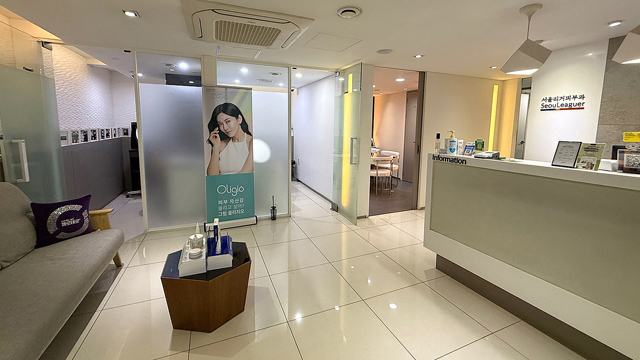
Not sure which of the six services actually matches your skin's current stage? Book a consultation with SeouLeaguer Dermatology's dermatology and plastic surgery team in Gangnam, Seoul, and let the clinic's specialists help you decide between Acne Treatment, Acne Scar Treatment, Post-Acne Redness Treatment, Chemical Peel Treatment, Skin Scaling, and PDT.
Disclaimer
This page is for general informational purposes only and does not constitute medical advice. Individual results vary considerably by service, acne severity, and skin type, and a qualified physician should assess your suitability for any treatment described here before proceeding.
Sources & Further Reading on Acne and Scar Treatment
Related Services
Procedures available within our clinical departments.

Botox Injections for Wrinkles
Botox Injections for Wrinkles target the specific facial muscles whose repeated contraction, over years of expression, creates dynamic wrinkles.
Learn More

Oxygen Detox Care
Oxygen Detox Care is a non-invasive skin-care treatment designed to refresh and hydrate the skin using an oxygen-focused care method.
Learn More
Hyaluronic Acid Filler
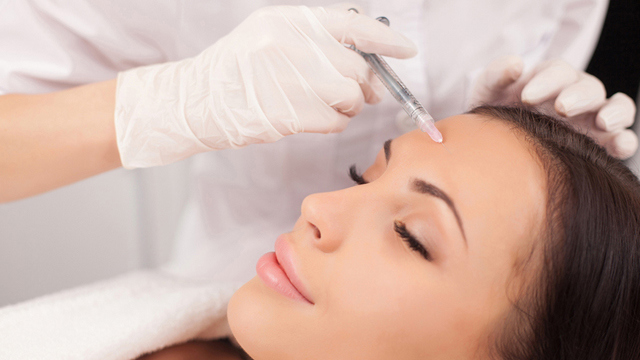
Hyaluronic Acid Filler restores facial volume, smooths lines and folds, and enhances facial contours through minimally invasive injections.
Learn More