Personalized Medical Care & Dedicated International Patient Concierge


Acne & Scar Treatment · Needs Clinic Confirmation
Post-Acne Redness Treatment
Post-Acne Redness Treatment uses laser or light-based technology to reduce persistent red or pink marks left after acne heals.
Schedule a ConsultationPost-Acne Redness Treatment
Medically reviewed by Dr. Lee Jung Hoon and Dr. Kim Sung Wook (board-certified dermatologists), SeouLeaguer Dermatology, Seoul
What Is Post-Acne Redness Treatment?
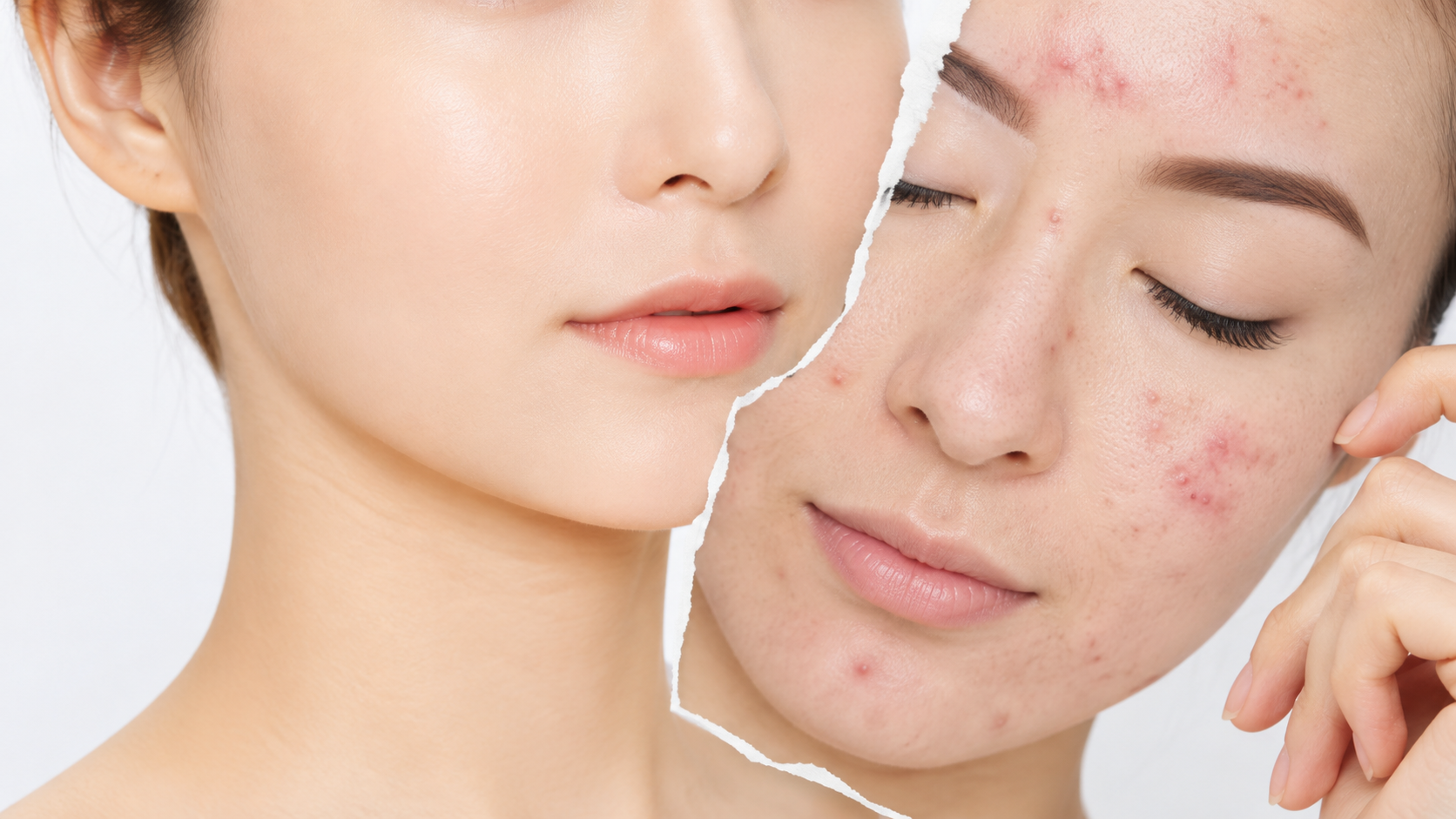
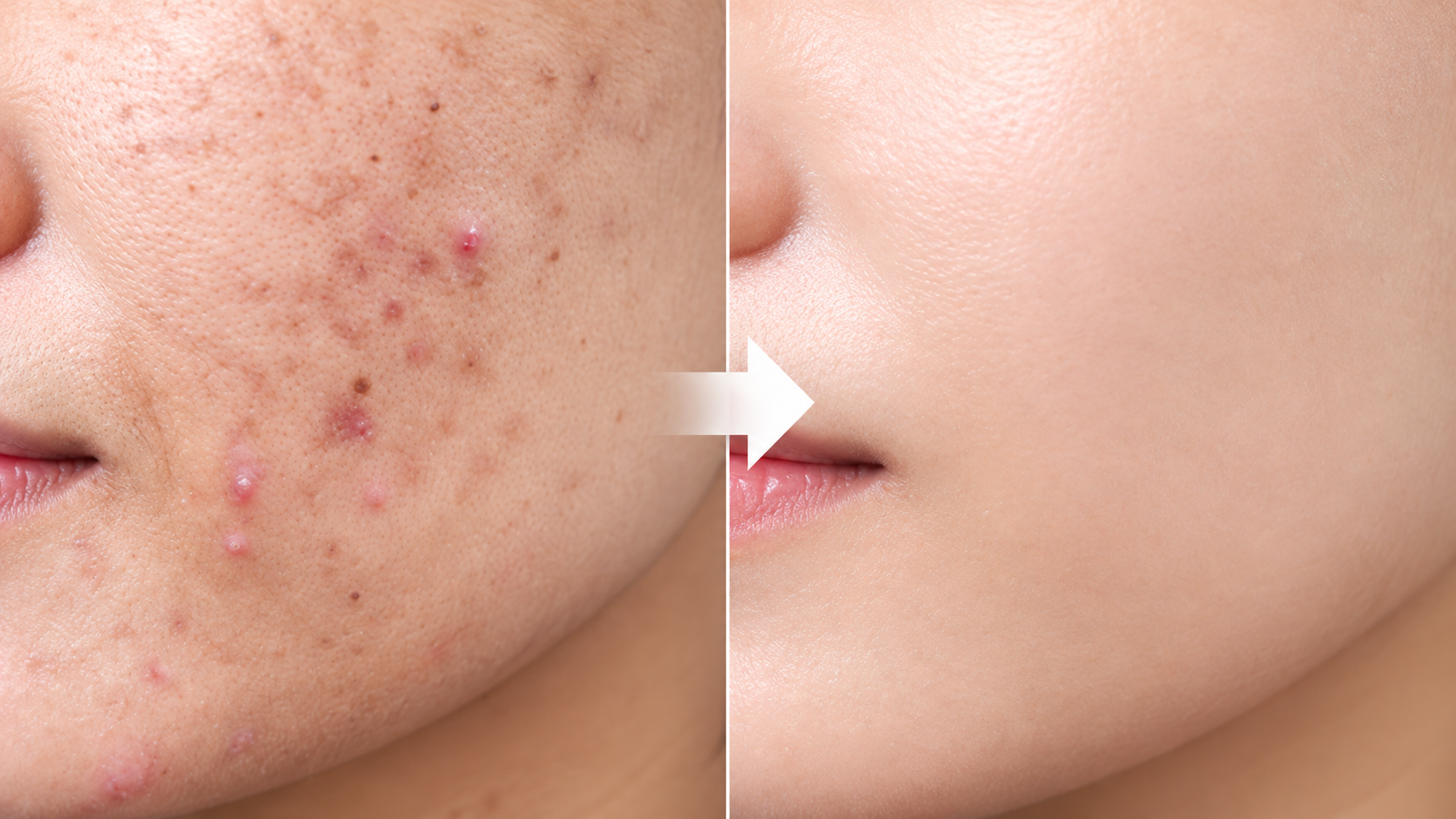
Post-Acne Redness Treatment targets the persistent red or pink marks that remain on the skin after an acne lesion has healed, using vascular laser or light-based technology to reduce the visibility of these residual marks. This is a distinct concern from both active acne and textural scarring — the breakout itself has already resolved, and the skin is not raised, depressed, or irregular in texture, but a reddish discoloration lingers, sometimes for months, in the area where the lesion used to be.
This type of redness occurs because inflammation from the original acne lesion leaves behind dilated or damaged small blood vessels close to the skin's surface, which show through as color rather than as a textural change. Because the underlying issue is vascular rather than structural, treatments built for textural scarring, such as subcision or filler, do not meaningfully address it, and a dedicated vascular approach is generally required instead.
Patients sometimes describe this redness as "staining" that seems to persist long after a breakout has fully healed, and that description is reasonably accurate to the underlying biology — the inflammatory process that accompanies an active acne lesion damages or dilates the small vessels directly beneath the skin's surface in that spot, and until those vessels are specifically addressed, the redness tends to remain visible even though the original lesion is long gone. This is why general skincare routines, which are not designed to act on blood vessels, often have limited effect on this particular kind of mark no matter how consistently they are used.
It is also worth distinguishing this vascular redness from the brownish or darker post-inflammatory marks some patients develop instead of, or alongside, pink or red marks. Pigmented marks reflect excess melanin deposited in the skin following inflammation, while vascular redness reflects the blood vessels themselves, and the two can require different approaches even though both are commonly grouped together by patients as "acne marks." Distinguishing between them is one of the more important parts of the initial assessment, since a laser setting effective for one is not necessarily effective for the other, and using the wrong wavelength can waste a treatment session without meaningfully improving the mark.
How Post-Acne Redness Treatment Compares to Other Options
Unlike Acne Scar Treatment, which addresses the physical depth, elevation, or irregularity of scar tissue, Post-Acne Redness Treatment addresses color rather than texture, and a patient can have one concern without the other. Unlike Acne Treatment, which manages active, ongoing breakouts, Post-Acne Redness Treatment is used once the breakout itself has already resolved. Chemical Peel Treatment and Skin Scaling can offer modest support for overall skin tone, but established vascular redness generally responds best to the specifically targeted laser or light-based approach used in this service.
Who Performs Post-Acne Redness Treatment at SeouLeaguer Dermatology

Dr. Lee Jung Hoon


Dr. Kim Sung Wook
Post-Acne Redness Treatment sits under SeouLeaguer Dermatology's own specialty grouping, where candidacy assessment and treatment planning are shared by the clinic's three specialists: Dr. Lee Jung Hoon (board-certified dermatologist, Chief Director, 24+ years of practice), Dr. Kim Sung Wook (board-certified dermatologist, 29+ years of experience, professor of dermatology at the Catholic University of Korea), and Dr. Choi Hang Seok (board-certified plastic surgeon, residency at Seoul St. Mary's Hospital, The Catholic University of Korea). The treating dermatologist evaluates whether the redness is primarily vascular versus pigmented, since these can look similar but respond to different wavelengths and settings, and reviews skin tone, sun exposure history, and any currently active acne before recommending treatment.
Who Is a Good Candidate for Post-Acne Redness Treatment?
- Patients whose acne has healed but who are left with persistent red or pink marks in the areas where lesions used to be.
- Patients whose primary concern is color rather than depressed or raised texture, since a different service, Acne Scar Treatment, more directly addresses textural scarring.
- People who are pregnant or have certain medical conditions that may make laser or light-based treatment unsafe may need to postpone or consider an alternative.
- Patients with active acne or very recent sun exposure in the treatment area may need to wait or take specific precautions before treatment, as the physician advises individually.
- Patients who have realistic expectations about the gradual nature of vascular redness improvement, understanding that most cases respond across a series of sessions rather than disappearing after one visit.
- Patients willing to commit to consistent sun protection between sessions, since unprotected sun exposure can both slow improvement and increase the risk of new pigmentation forming alongside the existing redness.
A useful distinction at candidacy stage is between redness that is fading on its own, however slowly, and redness that has remained essentially unchanged for many months. The former may improve further with time alone, while the latter is more likely to represent a more fixed pattern of vascular damage that benefits specifically from laser or light-based intervention rather than further waiting. The treating physician discusses which pattern a given patient's marks fit at consultation.
What to Expect: Procedure, Recovery, and Results Timeline
| Stage | What typically happens |
|---|---|
| Consultation | Redness is assessed to distinguish vascular from pigmented discoloration, alongside skin tone, sun exposure history, and whether acne is still active. |
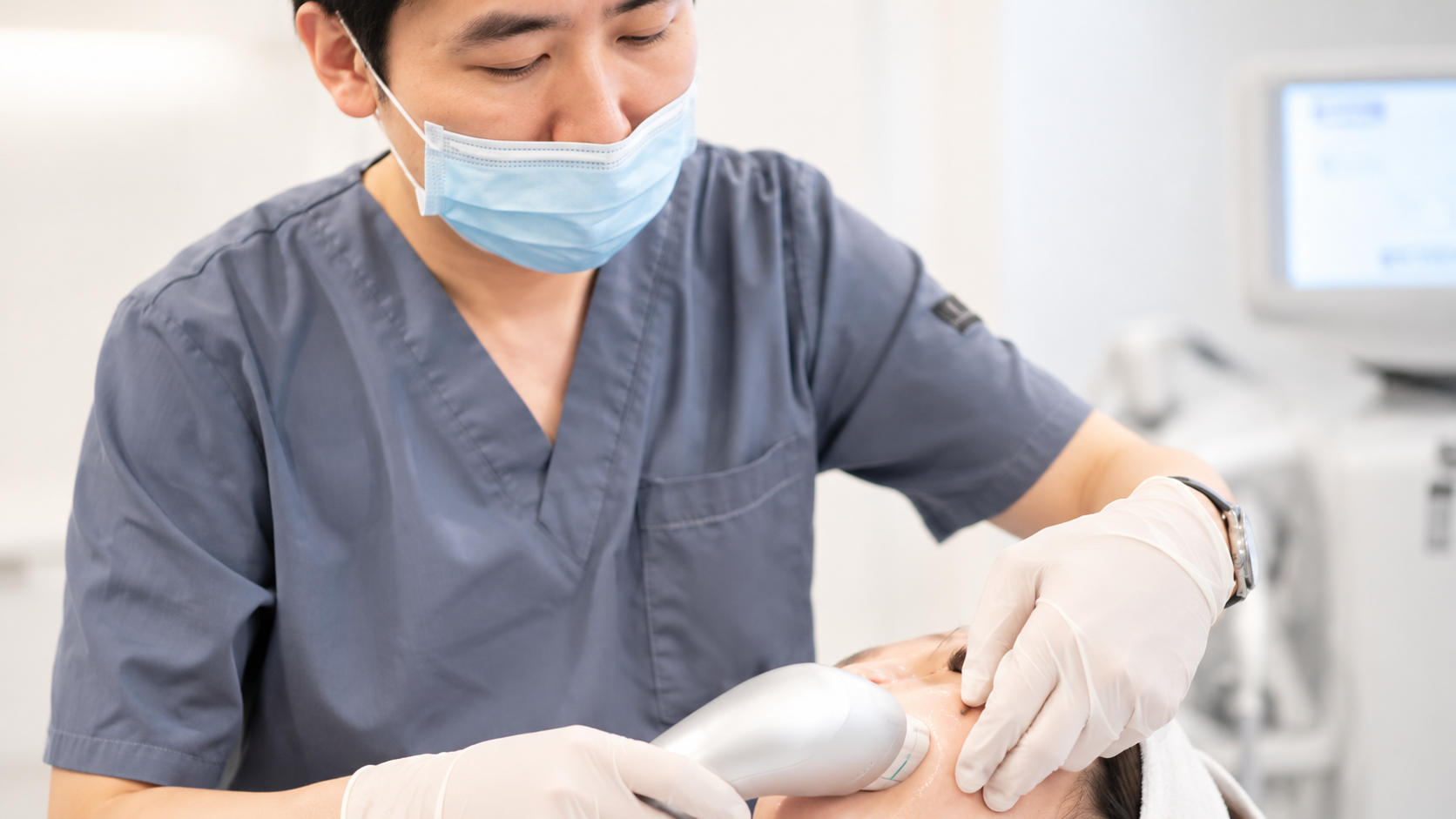
| Procedure | Vascular laser or light-based energy is applied to the treatment area to target the underlying dilated or damaged small blood vessels. |
| Immediate aftermath | Temporary redness, warmth, or mild swelling in the treated area is common immediately after treatment. |
| Recovery | Generally brief — many patients resume normal activities the same day or the next, though some redness can persist briefly. |
| Results timeline | Improvement often develops gradually over a series of sessions rather than after a single treatment, as the targeted vessels respond and fade. |
Preparation generally involves avoiding significant sun exposure and certain skincare actives beforehand, and disclosing current medications and any history of pigmentation changes with prior treatments. Aftercare typically includes diligent sun protection, since treated areas can be more sensitive to ultraviolet exposure immediately afterward, and gentle skincare while any temporary redness settles.
For international patients, a practical point worth planning around is that each session itself is typically brief — often completed within part of a visit rather than requiring a full day — but the overall course still depends on spacing multiple sessions appropriately apart to allow the skin to respond between treatments. This means the total calendar time needed to complete a full course is usually longer than the in-clinic time of any single session, which is worth factoring into a travel itinerary built around this service specifically.
Patients traveling a long distance for this service sometimes ask whether it is worth scheduling several sessions close together during one trip rather than spacing them at the ordinarily recommended interval. The treating physician generally advises against compressing the schedule beyond what the skin can reasonably tolerate between sessions, since treating the same vessels again too soon, before they have had time to respond to the previous session, does not meaningfully speed up the overall timeline and can increase the risk of irritation.
International patients are sometimes concerned about visible redness in the days immediately following a session if they have other plans during their trip, such as sightseeing or other appointments. While each patient's sensitivity varies, the clinic generally advises allowing a short buffer of time after a session before events where appearance is a particular concern, since even mild temporary redness from the procedure itself can be more noticeable than the original marks being treated for a short window afterward.
Combining Post-Acne Redness Treatment with Other Treatments
- Post-Acne Redness Treatment may be combined with Acne Scar Treatment when both color and texture concerns are present, generally staged across separate sessions.
- It may also be combined with Chemical Peel Treatment or Skin Scaling for broader tone and texture support.
- Treatment order and timing between combined procedures should be determined by a qualified clinician rather than assumed by the patient.
Longevity and Maintenance

Once the targeted vessels have responded to treatment, improvement is generally durable, though new post-acne redness can form if new breakouts occur, since the underlying mechanism — inflammation leaving behind damaged vessels — is tied to each individual lesion rather than to the skin as a whole. For this reason, ongoing acne control, where relevant, supports the durability of results from this service. Consistent sun protection is also emphasized, since ultraviolet exposure can affect how visible any residual redness remains.
This connection to ongoing acne activity is one reason the clinic frequently discusses Post-Acne Redness Treatment alongside Acne Treatment rather than in isolation: a patient who completes a course of redness treatment but continues to experience new breakouts will likely need to address new marks as they form, whereas a patient whose active acne is well controlled is more likely to see the benefit of a completed course of redness treatment persist without new marks continually appearing alongside the old ones. The physician typically discusses this connection directly during the initial consultation so expectations are set realistically from the outset.
Safety, Precision, and Clinic Standards
SeouLeaguer Dermatology is a Registered Medical Institution for Attracting Foreign Patients, certified by Korea's Ministry of Health and Welfare under the Act on Support for Overseas Expansion of Medical Services and Attraction of International Patients (Foreign Patient Attraction Registration No. M-2020-01-58584). Depending on skin tone and the specific settings used, risks can include temporary redness, swelling, bruising, or, less commonly, pigmentation changes, which the treating physician discusses and manages through individualized settings.
The clinic's physicians assess each patient specifically before treatment rather than applying one fixed protocol, since the appropriate wavelength and intensity depend on skin tone and the specific character of the redness. Patients are encouraged to disclose any history of complications from previous laser or light-based treatments, whether at this clinic or elsewhere, since prior response can meaningfully inform today's settings.
Skin tone is a particularly important factor in settings selection for this service, since vascular lasers are absorbed differently depending on background skin pigmentation, and a setting calibrated for one skin tone is not automatically safe or effective for another. The clinic's physicians select wavelength and energy settings individually for each patient's skin tone rather than using a single default setting applied uniformly across every patient who presents with similar-looking redness.
The Bottom Line
- Post-Acne Redness Treatment uses vascular laser or light-based technology to reduce persistent red marks left after acne heals.
- It addresses color rather than texture, and is distinct from both active acne treatment and scar-focused procedures.
- Improvement often develops gradually across a series of sessions rather than after a single treatment.
- The clinic's dermatologists determine the appropriate wavelength and intensity for each patient's skin tone and redness pattern.
Frequently Asked Questions
**What exactly is Post-Acne Redness Treatment at SeouLeaguer Dermatology?**It is a vascular laser or light-based treatment that targets the persistent red or pink marks left behind after acne lesions have healed.**Is Post-Acne Redness Treatment safe for international patients visiting Seoul?**Yes, it can be performed safely for eligible international patients following an individualized assessment distinguishing vascular from pigmented redness.**How is this different from Acne Scar Treatment?**Post-Acne Redness Treatment addresses color left behind by healed lesions, while Acne Scar Treatment addresses depressed, raised, or irregular texture; a patient can have either concern independently of the other.**What does recovery look like after Post-Acne Redness Treatment?**Recovery is generally brief, with many patients resuming normal activities the same day or the next, though some temporary redness can persist briefly.**Does SeouLeaguer Dermatology offer Post-Acne Redness Treatment for international patients?**Yes, SeouLeaguer Dermatology offers Post-Acne Redness Treatment for international patients, with care led by the clinic's board-certified doctors and consultations available in English.**Will the redness come back after treatment?**Improvement from treating already-affected areas is generally durable, but new redness can form from new acne lesions, which is why ongoing acne control supports lasting results.**How many sessions does Post-Acne Redness Treatment typically require?**Most patients require a series of sessions spaced several weeks apart, since the targeted vessels generally respond gradually rather than clearing after a single treatment.Can this treat brownish marks as well as red ones? Brownish or darker marks typically reflect pigmentation rather than vascular changes and may require a different approach; the physician distinguishes between the two at consultation since settings effective for one are not necessarily effective for the other.
Book a Consultation at SeouLeaguer Dermatology
Still seeing red marks long after your acne has cleared up? Book a consultation with SeouLeaguer Dermatology's dermatology team in Gangnam, Seoul, to discuss Post-Acne Redness Treatment.
Disclaimer
This page is for general informational purposes only and does not constitute medical advice. Individual results vary by skin tone and redness pattern, and a qualified physician should assess your suitability for any treatment described here before proceeding.
Sources & Further Reading
Other Services
Explore additional treatments offered by our specialists.

Pico Fraxel
Pico Fraxel is a fractional laser treatment that delivers controlled laser energy to the skin to improve enlarged pores, uneven skin texture, acne-scar appearance, pigmentation, and overall skin quality.
Learn More

ONDA Lifting (Microwave Facial Contouring)
ONDA Lifting uses targeted microwave energy to improve skin firmness and contours through personalized treatment settings.
Learn More

CO2 Laser
CO2 laser treatment uses carbon dioxide laser energy to precisely remove or heat targeted layers of the skin.
Learn More