Personalized Medical Care & Dedicated International Patient Concierge


Acne & Scar Treatment · Needs Clinic Confirmation
PDT (Photodynamic Therapy)
PDT, or Photodynamic Therapy, is a specialized light-activated treatment for oily, congested, recurrence-prone acne.
Schedule a ConsultationPDT (Photodynamic Therapy)

Medically reviewed by Dr. Lee Jung Hoon and Dr. Kim Sung Wook (board-certified dermatologists), SeouLeaguer Dermatology, Seoul
What Is PDT (Photodynamic Therapy)?
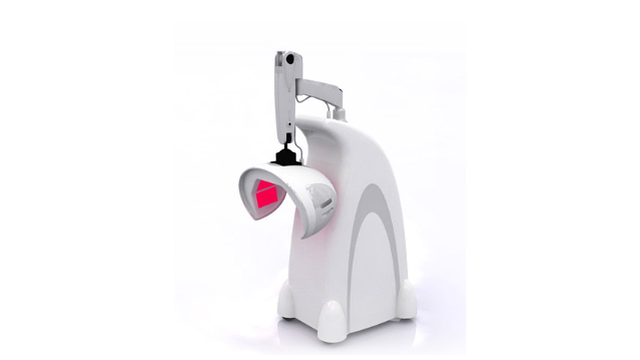
PDT, or Photodynamic Therapy, is a specialized light-activated treatment for oily, congested, recurrence-prone acne. A photosensitizing drug is applied to the skin and allowed to absorb preferentially into oil-producing glands and acne-related structures, after which targeted laser or light irradiation activates the drug, producing a localized effect intended to reduce oil production and the bacterial and inflammatory activity associated with active acne.
This mechanism distinguishes PDT from topical or oral medication, which work through direct pharmacological or antibacterial action, and from chemical peels or microneedling, which work through controlled physical exfoliation or injury. PDT instead relies on the interaction between a photosensitizing agent and a specific wavelength of light, which is why the procedure is performed in two distinct steps — application of the photosensitizing drug followed by a waiting period, then the light or laser irradiation itself — rather than as a single continuous action.
The waiting period between applying the photosensitizing drug and performing the light irradiation is a deliberate and necessary part of the procedure, not simply downtime built into the appointment. This interval allows the drug to preferentially concentrate in the oil-producing glands and other structures most relevant to acne, which is part of what gives PDT its targeted effect on these specific structures rather than acting uniformly across all skin cells. The exact length of this waiting period can vary depending on the specific formulation and concentration used, and the physician explains the expected timing at consultation so patients can plan their appointment accordingly.
Once the waiting period has elapsed, the irradiation step itself is typically completed in a single session, with the light or laser energy activating the absorbed photosensitizing agent specifically where it has concentrated. This activation produces a localized effect that is understood to reduce oil gland activity and acne-related bacterial and inflammatory processes, which is the basis for PDT's use in oily, congested, and recurrence-prone acne that has not responded as well to more conventional approaches.
How PDT Compares to Other Options
PDT overlaps with Acne Treatment in that both address active, ongoing acne, but PDT works through a specific light-activated mechanism rather than topical or oral medication, making it an option for patients who prefer to limit or avoid oral medication, or whose acne has not responded as hoped to more conventional approaches. Compared with Chemical Peel Treatment or Skin Scaling, PDT targets the oil-producing and bacterial drivers of acne more directly rather than working primarily at the skin's surface. It is generally not the first approach considered for scar-focused concerns, which are addressed by Acne Scar Treatment instead.
Who Performs PDT at SeouLeaguer Dermatology

Dr. Lee Jung Hoon


Dr. Kim Sung Wook
PDT sits under SeouLeaguer Dermatology's own specialty grouping, where candidacy assessment and treatment planning are shared by the clinic's three specialists: Dr. Lee Jung Hoon (board-certified dermatologist, Chief Director, 24+ years of practice), Dr. Kim Sung Wook (board-certified dermatologist, 29+ years of experience, professor of dermatology at the Catholic University of Korea), and Dr. Choi Hang Seok (board-certified plastic surgeon, residency at Seoul St. Mary's Hospital, The Catholic University of Korea). The treating dermatologist evaluates acne type and severity, oiliness, prior treatment history, and skin sensitivity before determining whether PDT is an appropriate fit, and selects the specific photosensitizing agent, application time, and light settings for each patient.
Who Is a Good Candidate for PDT?
- Patients with oily, congested, recurrence-prone acne who want a non-oral-medication route to active acne management.
- Patients who have tried topical or oral medication without the desired result, or who prefer to limit medication use where clinically reasonable.
- People who are pregnant, have a serious photosensitivity condition, or are taking certain medications that interact with light-based treatment may not be suitable candidates for PDT specifically.
- Patients willing to strictly follow post-treatment sun avoidance instructions, since the skin can remain photosensitive for a period after the photosensitizing agent is applied.
- Patients whose acne is driven significantly by excess oil production, since PDT's mechanism specifically targets oil-producing structures rather than addressing acne types with a different underlying driver.
- Patients who can plan their travel itinerary around a defined sun-avoidance window following each session, since this is one of the more involved aftercare requirements among the services offered under this specialty.
Candidacy for PDT is also closely tied to how a patient's acne has responded to previous approaches. Patients who have already tried topical and oral medication without the hoped-for improvement, and whose acne remains notably oily and prone to recurrence, are often considered particularly good candidates for this service specifically because its mechanism differs meaningfully from those more conventional approaches.
What to Expect: Procedure, Recovery, and Results Timeline
| Stage | What typically happens |
|---|---|
| Consultation | Acne type, severity, oiliness, and prior treatment history are assessed to confirm PDT is an appropriate option. |
| Procedure | A photosensitizing drug is applied to the skin and allowed to absorb for a set period, followed by targeted laser or light irradiation. |
| Immediate aftermath | Temporary redness, warmth, stinging, or sensitivity in the treated area is common immediately after irradiation. |
| Recovery | Can include a period of increased photosensitivity requiring strict sun avoidance, along with possible peeling or temporary breakout flare before improvement. |
| Results timeline | Improvement in oiliness and acne activity often develops over the following weeks, with a course of multiple sessions typically needed for a fuller response. |
Preparation generally involves disclosing current medications, photosensitizing conditions, and sun exposure plans, since significant planned sun exposure around the time of treatment is generally discouraged. Aftercare is particularly important for this procedure and typically includes strict sun avoidance for a defined period, gentle skincare, and monitoring for any unusual reaction in the treated area.
International patients considering PDT should plan their itinerary carefully around the required sun-avoidance window following treatment, since this is one of the more involved aftercare requirements among the services on this page; outdoor sightseeing or beach time immediately following a session is generally not advisable, and the clinic can help plan session timing relative to the rest of a trip.
A practical approach many international patients take is scheduling their PDT session toward the latter part of a trip, after any planned outdoor sightseeing has already been completed, so that the sun-avoidance window does not conflict with activities they had hoped to do during their visit. Alternatively, some patients plan sessions early in a longer stay and simply build indoor or low-sun-exposure days into their itinerary immediately afterward, resuming more typical activities once the physician confirms the photosensitivity window has passed.
It is worth noting that the degree of photosensitivity and its duration can vary somewhat between patients and depending on the specific formulation used, which is another reason the clinic reviews this individually at consultation rather than giving a single blanket timeframe to every patient regardless of their specific treatment plan. Patients are given clear, specific guidance for their own situation rather than a generic instruction sheet that may not match their actual photosensitivity window.
Combining PDT with Other Treatments
- PDT may be planned alongside peels, skin boosters, or scar treatments, though not during active irritation or after heavy sun exposure.
- It may be used as an alternative to, or alongside, topical or oral acne medication depending on the patient's preferences and response.
- Treatment order and timing between combined procedures should be determined by a qualified clinician rather than assumed by the patient.
Longevity and Maintenance
Improvement in oiliness and acne activity following a course of PDT can be meaningful, but acne is influenced by ongoing factors such as hormones and skin biology, so results are not necessarily permanent without some form of maintenance. The treating physician typically recommends a maintenance plan following the initial course, which may include periodic touch-up sessions or a transition to topical maintenance treatment depending on how the skin has responded.
For international patients unable to return to Seoul frequently, the clinic can discuss how to structure maintenance around the realities of less frequent in-person visits, which may mean a more intensive initial course performed over one extended trip, followed by a simplified topical maintenance routine at home between visits, with periodic touch-up PDT sessions scheduled for future trips to Seoul rather than relied upon as a frequent recurring treatment.
Patients whose acne was particularly oil-driven before treatment sometimes notice that oiliness itself decreases to some degree following a completed course, which can in turn reduce how frequently active breakouts recur even without ongoing active treatment. This is not guaranteed for every patient, and the degree of lasting change in oil production varies by individual, which the physician can discuss more specifically once a patient's response to the initial course is visible.
Safety, Precision, and Clinic Standards
SeouLeaguer Dermatology is a Registered Medical Institution for Attracting Foreign Patients, certified by Korea's Ministry of Health and Welfare under the Act on Support for Overseas Expansion of Medical Services and Attraction of International Patients (Foreign Patient Attraction Registration No. M-2020-01-58584). Risks can include temporary redness, swelling, stinging, peeling, a temporary breakout flare, or, if sun-avoidance instructions are not followed, a more significant photosensitivity reaction, which is why aftercare compliance is emphasized strongly for this particular procedure.
The clinic's physicians assess each patient specifically before treatment, since photosensitivity history, current medications, and skin type all affect whether PDT is an appropriate and safe option. Patients are encouraged to disclose any history of unusual reactions to light-based treatments, whether at this clinic or elsewhere, since this can meaningfully inform today's approach.
The Bottom Line
- PDT is a specialized light-activated treatment using a photosensitizing drug followed by targeted laser or light irradiation.
- It is positioned specifically for patients with oily, congested, recurrence-prone acne who want a non-oral-medication route.
- Strict post-treatment sun avoidance is an important and genuinely non-negotiable part of aftercare.
- A course of multiple sessions is typically needed for a fuller response in oiliness and acne activity.
Frequently Asked Questions
**What exactly is PDT (Photodynamic Therapy) at SeouLeaguer Dermatology in Gangnam, Seoul?**It is a specialized light-activated treatment using a photosensitizing drug followed by targeted laser or light irradiation, used for oily, congested, recurrence-prone acne.**Is PDT generally considered safe for international patients traveling to Seoul specifically for this service?**Yes, PDT can be performed safely for eligible international patients following an individualized assessment, provided sun-avoidance aftercare instructions are followed closely.**Roughly how many individual sessions does a typical course of PDT usually require?**A course of multiple sessions is typically needed for a fuller response, with the specific number depending on acne severity and how the skin responds to earlier sessions.**In practical terms, what does recovery actually look like after a typical PDT session?**Recovery can include a period of increased photosensitivity requiring strict sun avoidance, along with possible peeling or a temporary breakout flare before visible improvement.**Does SeouLeaguer Dermatology offer PDT for international patients?**Yes, SeouLeaguer Dermatology offers PDT for international patients, with care led by the clinic's board-certified doctors and consultations available in English.**Why does PDT require such strict sun avoidance afterward?**The photosensitizing drug used in PDT makes the skin significantly more reactive to light for a period after treatment, so unprotected sun exposure during that window can cause a more significant reaction than it would normally.**Is PDT painful during the procedure?**Some patients experience warmth, stinging, or discomfort during the light irradiation step, which the physician can discuss managing; the sensation level varies by individual and the specific settings used.Can PDT be used for acne that hasn't responded to topical or oral medication? Yes, PDT is often specifically considered for patients whose acne has not responded as hoped to more conventional topical or oral approaches, since its mechanism works differently from those treatments.
Patients traveling specifically for this treatment sometimes ask whether PDT can be meaningfully performed in a single trip or whether a full course truly requires returning to Seoul multiple times. Many patients do complete an initial, meaningful portion of their course across a single extended visit by spacing sessions at the minimum clinically appropriate interval, with the physician then determining whether further sessions on a future trip, or a transition to home-based maintenance, is the better path forward based on how the skin has responded by the end of that visit.
Book a Consultation at SeouLeaguer Dermatology
Still dealing with persistent, oily, recurring acne that hasn't fully responded to other approaches? Book a consultation with SeouLeaguer Dermatology's dermatology team in Gangnam, Seoul, to discuss whether PDT is a good fit for your skin.
Disclaimer
This page is for general informational purposes only and does not constitute medical advice. Individual results vary by acne severity and skin type, and a qualified physician should assess your suitability for any treatment described here before proceeding.
Sources & Further Reading
Other Services
Explore additional treatments offered by our specialists.

Botox Injections for Wrinkles
Botox Injections for Wrinkles target the specific facial muscles whose repeated contraction, over years of expression, creates dynamic wrinkles.
Learn More

Oxygen Detox Care
Oxygen Detox Care is a non-invasive skin-care treatment designed to refresh and hydrate the skin using an oxygen-focused care method.
Learn More
Hyaluronic Acid Filler
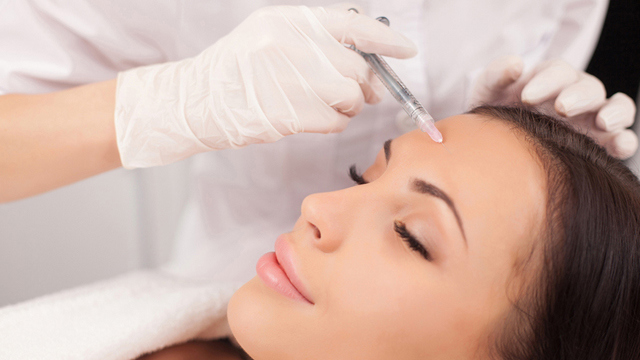
Hyaluronic Acid Filler restores facial volume, smooths lines and folds, and enhances facial contours through minimally invasive injections.
Learn More