Personalized Medical Care & Dedicated International Patient Concierge


Acne & Scar Treatment · Needs Clinic Confirmation
Acne Treatment
Acne Treatment helps control breakouts, reduce inflammation, and prevent future flare-ups through personalized care based on acne type and severity.
Schedule a ConsultationAcne Treatment

Medically reviewed by Dr. Lee Jung Hoon and Dr. Kim Sung Wook (board-certified dermatologists), SeouLeaguer Dermatology, Seoul
What Is Acne Treatment?
Acne Treatment at SeouLeaguer Dermatology is a medical approach to managing active breakouts, reducing inflammation, and lowering the likelihood of future flare-ups, selected according to the type and severity of a patient's acne rather than applied as one fixed protocol for every skin.
International patients typically arrive with acne that has been present for months or years, sometimes already treated with over-the-counter products or prior courses of medication elsewhere without lasting improvement. The clinic's approach starts by classifying the acne — comedonal, inflammatory, nodulocystic, or a mix — since the medication, peel, or light-based approach that works well for mild comedonal acne is often a poor match for deeper nodulocystic breakouts, and vice versa.
Depending on this classification, treatment may involve topical medication, oral medication, chemical peels, or light- and laser-based procedures, used alone or in combination. The goal in the active phase is not only visible improvement but also stabilizing the skin enough that, if scarring has already occurred, a later scar-focused procedure can be performed on calmer, less inflamed skin.
Topical medication is generally the starting point for milder, predominantly comedonal acne — blackheads, whiteheads, and surface congestion without significant deep inflammation. These formulations work gradually over several weeks, normalizing how skin cells shed inside the pore and reducing the surface bacteria associated with breakouts. For patients whose acne is more inflammatory in nature, with visible redness and tenderness around lesions, the physician may add or substitute an oral medication, which works from within rather than only at the skin's surface and can address a broader area more evenly than a topical product applied spot by spot.
For acne that has progressed to a deeper, nodulocystic pattern — larger, more painful lesions that sit beneath the skin's surface and carry a meaningfully higher risk of leaving permanent scarring — the physician typically recommends a more assertive combination approach from the outset, since waiting to see whether milder options work first can allow scarring to develop in the meantime. This is one of the key judgment calls made at the initial consultation: matching the intensity of the treatment to the acne's actual severity rather than defaulting to the gentlest option for every patient regardless of presentation.
Chemical peels can play a supporting role within an Acne Treatment plan even though Chemical Peel Treatment is also offered separately as its own service on this site; when used as part of active acne management rather than for scar or tone concerns, peels are generally selected and scheduled to work alongside whatever topical or oral medication the patient is already using, rather than as a standalone substitute for it. Light- and laser-based procedures can likewise be incorporated when a patient's skin responds well to that modality or prefers to minimize reliance on oral medication, with PDT (Photodynamic Therapy) representing the clinic's dedicated light-activated option for active, oil-driven acne.
A further distinction the physicians make early in the assessment is between acne that is primarily a surface-level, oil-and-bacteria-driven process and acne with a stronger inflammatory or hormonal component, since these two patterns often call for noticeably different first-line approaches even when the visible lesions look superficially similar to the patient. Surface-driven acne tends to respond well to consistent topical treatment and gentle exfoliation, while inflammatory or hormonally influenced acne more often needs an oral or systemic component to bring the underlying process under control before topical treatment alone can meaningfully help.
How Acne Treatment Compares to Other Options
Unlike Acne Scar Treatment, which addresses marks and texture left behind once breakouts have resolved, Acne Treatment targets the active, ongoing process — the breakouts themselves and the inflammation driving them. Compared with Chemical Peel Treatment or Skin Scaling, which can support overall skin clarity but are not primarily designed to control significant active inflammation on their own, Acne Treatment is the clinic's core medical response when breakouts are frequent, painful, or spreading. PDT (Photodynamic Therapy) overlaps with Acne Treatment in targeting active acne but does so through a specific light-activated mechanism rather than topical or oral medication, and the physician determines which route, or combination, suits a given patient's skin and preferences.
Who Performs Acne Treatment at SeouLeaguer Dermatology
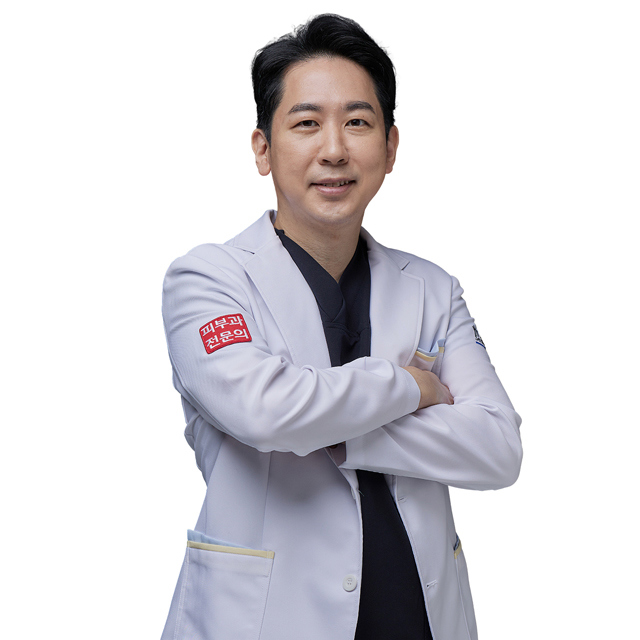
Dr. Lee Jung Hoon, Chief Director Board-certified Dermatologist Dr. Kim Sung Wook
Board-certified Dermatologist Dr. Choi Hang Seok
Board-certified Plastic Surgeon
Acne Treatment sits under SeouLeaguer Dermatology's own specialty grouping, where candidacy assessment and treatment planning are shared by the clinic's three specialists: Dr. Lee Jung Hoon (board-certified dermatologist, Chief Director, 24+ years of practice), Dr. Kim Sung Wook (board-certified dermatologist, 29+ years of experience, professor of dermatology at the Catholic University of Korea), and Dr. Choi Hang Seok (board-certified plastic surgeon, residency at Seoul St. Mary's Hospital, The Catholic University of Korea). The treating dermatologist evaluates acne type, severity, distribution, and any signs of early scarring, along with a patient's medical history, current medications, and previous treatments, before recommending a specific combination of topical, oral, peel-based, or light-based approaches.
Who Is a Good Candidate for Acne Treatment?
- Patients with active, ongoing acne — whether comedonal, inflammatory, or nodulocystic — seeking a medically guided treatment plan rather than continued trial-and-error with over-the-counter products.
- Patients who have tried prior treatments elsewhere without lasting improvement and want a fresh clinical assessment.
- People who are pregnant, have a serious allergy to a prescribed medication, or have certain medical conditions that may make a specific treatment unsafe may not be suitable for that particular option, though an alternative approach may still be appropriate.
- Patients with active skin infections or severely compromised skin barriers may need other conditions stabilized first.
- Patients who have realistic expectations about the ongoing nature of acne management, understanding that a single course of treatment addresses the current flare rather than guaranteeing permanent freedom from future breakouts.
- International patients who can commit to following a prescribed skincare and medication routine between any planned follow-up visits, since consistency between sessions meaningfully affects outcomes.
Candidacy is not static — a patient who is not currently a good fit for one component of treatment, such as a specific oral medication during pregnancy, may still be an excellent candidate for other components, such as certain topical approaches or light-based procedures that carry a different safety profile. The treating physician reviews each patient's full medical picture before ruling anything in or out, rather than disqualifying a patient from the service as a whole based on one contraindicated option.
Patients who have already tried multiple over-the-counter products without success are often good candidates specifically because a medical assessment can identify why those products did not work — whether the acne type did not match the product's mechanism, the concentration or formulation was not strong enough for the severity involved, or an underlying driver such as a hormonal factor was never addressed by a topical approach alone. This diagnostic step is frequently the most valuable part of the first visit for patients arriving with a long history of partial, inconsistent results.
What to Expect: Procedure, Recovery, and Results Timeline

| Stage | What typically happens |
|---|---|
| Consultation | Acne type, severity, distribution, and any early scarring are assessed, along with medical history, current medications, and prior treatments. |
| Procedure | Depending on severity, treatment may involve topical medication, oral medication, chemical peels, or light- and laser-based procedures, used alone or in combination. |
| Immediate aftermath | Some redness, dryness, or mild irritation can occur depending on the specific treatment used. |
| Recovery | Varies by approach — topical and oral medication involve no procedural downtime, while peels or light-based procedures may cause temporary redness or peeling for a few days. |
| Results timeline | Active acne control typically requires ongoing treatment and periodic reassessment rather than a single fixed endpoint, since the skin's response is monitored and the plan adjusted over time. |
Preparation generally involves disclosing current skincare products, medications, allergies, and pregnancy status, and avoiding starting new products immediately before the visit. Aftercare depends on the specific treatment prescribed but typically includes a defined skincare routine, sun protection, and avoiding picking or squeezing active lesions, which can worsen inflammation and increase the risk of scarring.
Patients traveling specifically for acne treatment should expect this to be an ongoing process best supported by periodic follow-up, whether in person on a return visit or via remote check-ins the clinic can help arrange, since a single visit addresses the current flare but does not guarantee breakouts will not recur.
The pace of visible change also differs by treatment component. Topical medication tends to show gradual improvement over several weeks as skin cell turnover normalizes, while oral medication can act somewhat faster on inflammatory lesions but still requires a sustained course rather than a single dose. Peels and light-based procedures tend to produce more visible short-term change after each session, though lasting control of the underlying acne still depends on what happens between sessions — skincare habits, sun exposure, and whether any maintenance medication is continued.
International patients often ask how soon after starting treatment they can expect their skin to look meaningfully different in photos, which matters for anyone documenting a before-and-after around a single trip. The honest answer the clinic's physicians generally give is that early, visible change is possible within the first few weeks for many patients, but the most reliable before-and-after comparisons come after a full course of treatment and at least one round of reassessment, not immediately upon leaving the first appointment.
Combining Acne Treatment with Other Treatments
- Acne medication is often combined with procedures for pigmentation or early scarring once active inflammation is reasonably controlled.
- Chemical Peel Treatment or Skin Scaling may be layered in for additional support with surface texture and tone.
- PDT may be used alongside or as an alternative to topical and oral medication for patients who prefer a non-oral-medication route.
- Treatment order and timing between combined procedures should be determined by a qualified clinician rather than assumed by the patient.
Longevity and Maintenance
Because acne is influenced by ongoing factors such as hormones, skincare habits, and individual skin biology, control achieved through a course of treatment is not necessarily permanent without some form of maintenance. The treating physician typically recommends a simplified maintenance routine once active breakouts are under control, and some patients benefit from periodic in-clinic check-ins or touch-up treatment to manage occasional flare-ups before they become more significant.
For international patients who cannot easily return to Seoul for frequent follow-up, the clinic can outline a maintenance plan designed to be carried out largely at home, with specific guidance on when a local dermatologist's involvement, or a scheduled return visit, would be advisable instead of trying to manage a significant flare-up remotely. This is particularly relevant for patients on oral medication, since certain medications require periodic monitoring that is easier to arrange through a local physician between visits to Seoul.
Hormonal factors deserve particular mention, since acne that is strongly hormonally driven — common around certain life stages or with certain underlying conditions — tends to recur if the hormonal driver itself is not addressed, independent of how well any single course of dermatological treatment performed. In these cases, the clinic's physicians may recommend the patient also discuss the hormonal component with an appropriate specialist, since treating only the skin's visible response without addressing what is driving it tends to produce a cycle of improvement and relapse.
Safety, Precision, and Clinic Standards
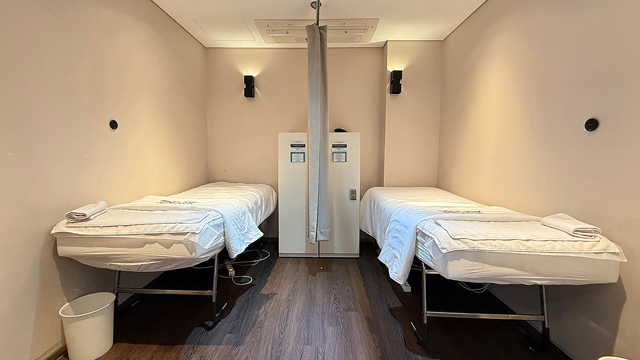
SeouLeaguer Dermatology is a Registered Medical Institution for Attracting Foreign Patients, certified by Korea's Ministry of Health and Welfare under the Act on Support for Overseas Expansion of Medical Services and Attraction of International Patients (Foreign Patient Attraction Registration No. M-2020-01-58584). Depending on the specific treatment selected, temporary redness, dryness, peeling, or irritation may occur; oral medications carry their own specific risk profiles, which the prescribing physician reviews individually before prescribing.
Since the appropriate treatment depends directly on acne type, severity, and the individual patient's medical history, the clinic's physicians assess each patient specifically before treatment rather than applying one fixed protocol. Patients are also encouraged to disclose any history of complications from previous acne treatments, whether performed at this clinic or elsewhere, since prior response can meaningfully inform which approach is recommended for this visit.
Oral medications in particular require a careful review of a patient's full medical and medication history, since certain combinations can interact or be contraindicated depending on other conditions a patient may have. The prescribing physician discusses the specific risks, expected benefits, and any required monitoring directly with the patient before any oral medication is prescribed, and alternative non-oral approaches are available for patients who are not suitable candidates for a particular oral option.
The Bottom Line
- Acne Treatment is a medically guided approach to active breakouts, selected according to acne type and severity rather than one universal protocol.
- It may involve topical medication, oral medication, chemical peels, light- or laser-based procedures, or a combination.
- Active acne control is generally an ongoing process requiring periodic reassessment rather than a single fixed endpoint.
- The clinic's dermatologists determine the specific combination of approaches that fits a given patient's skin.
Frequently Asked Questions
**What exactly is Acne Treatment at SeouLeaguer Dermatology in Gangnam, Seoul?**It is a medically guided approach to active acne, using topical medication, oral medication, chemical peels, or light- and laser-based procedures selected according to acne type and severity.**Is Acne Treatment generally considered safe for international patients visiting Seoul specifically for this service?**Yes, Acne Treatment can be performed safely for eligible international patients following an individualized assessment at SeouLeaguer Dermatology.**Roughly how long does it typically take to see noticeable results from Acne Treatment?**Timelines vary by treatment and acne severity, and because active acne control is generally an ongoing process, the physician typically discusses a realistic timeline for noticeable improvement at consultation rather than a single universal number.**What does recovery look like after Acne Treatment?**Recovery depends on the specific approach used — topical and oral medication involve no procedural downtime, while peels or light-based procedures may cause temporary redness or peeling for a few days.**Does SeouLeaguer Dermatology offer Acne Treatment for international patients?**Yes, SeouLeaguer Dermatology offers Acne Treatment for international patients, with care led by the clinic's board-certified doctors and consultations available in English.**Can Acne Treatment be combined with scar treatment?**Yes, though active acne is generally stabilized first, with scar-focused procedures planned for a later stage once inflammation has settled.**Will I need oral medication, or can topical treatment alone work?**This depends on the severity and type of acne — milder, predominantly comedonal acne may respond well to topical treatment alone, while more inflammatory or nodulocystic acne often benefits from an oral component, which the physician determines at consultation.**What happens if my acne doesn't improve with the first treatment plan?**The physician reassesses and adjusts the plan based on how the skin has responded, which may mean changing the medication, adding a procedure-based component, or revisiting the original acne classification.Can I combine Acne Treatment with travel for other procedures during my trip? This is possible in some cases, but active acne treatment is generally prioritized first, since starting other procedures on inflamed or actively breaking-out skin can carry added risk; the physician reviews the full itinerary at consultation.
Book a Consultation at SeouLeaguer Dermatology
Dealing with ongoing breakouts that haven't responded to previous treatment? Book a consultation with SeouLeaguer Dermatology's dermatology team in Gangnam, Seoul, to discuss an individualized Acne Treatment plan.
Disclaimer
This page is for general informational purposes only and does not constitute medical advice. Individual results vary by acne severity and skin type, and a qualified physician should assess your suitability for any treatment described here before proceeding.
Sources & Further Reading
Other Services
Explore additional treatments offered by our specialists.

Botox Injections for Wrinkles
Botox Injections for Wrinkles target the specific facial muscles whose repeated contraction, over years of expression, creates dynamic wrinkles.
Learn More

Oxygen Detox Care
Oxygen Detox Care is a non-invasive skin-care treatment designed to refresh and hydrate the skin using an oxygen-focused care method.
Learn More
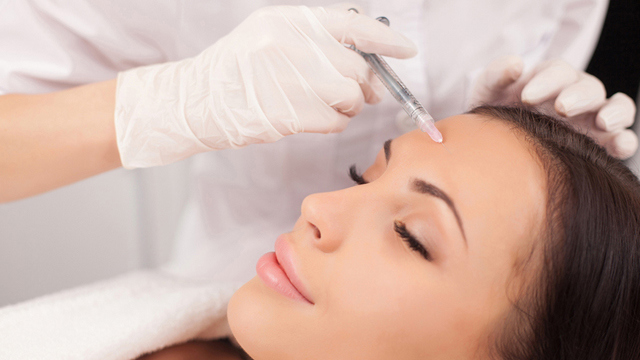
Hyaluronic Acid Filler
Hyaluronic Acid Filler restores facial volume, smooths lines and folds, and enhances facial contours through minimally invasive injections.
Learn More