Personalized Medical Care & Dedicated International Patient Concierge

Pigmentation & Laser Skin Treatment · Needs Clinic Confirmation
CO2 Laser
CO2 laser treatment uses carbon dioxide laser energy to precisely remove or heat targeted layers of the skin.
Schedule a ConsultationCO2 Laser
Medically reviewed by Dr. Lee Jung Hoon and Dr. Kim Sung Wook (board-certified dermatologists), SeouLeaguer Dermatology, Seoul
What Precisely And Specifically Is CO2 Laser?
CO2 laser treatment uses carbon dioxide laser energy to precisely remove or heat targeted layers of the skin. Depending on the treatment mode and indication, it may be used to improve skin texture, acne scars, fine lines, uneven pigmentation, enlarged pores, and certain skin lesions or scars. The exact laser wavelength, fractional or fully ablative mode, device settings, and treatment depth are selected individually based on the patient's skin condition and treatment goals.
International patients often request CO2 laser treatment to improve visible skin texture, acne scars, fine lines, enlarged pores, uneven pigmentation, and other surface irregularities, and it is frequently considered by patients seeking more intensive skin resurfacing than non-ablative treatments can provide. Among the twelve services offered under this specialty, CO2 Laser sits at the more intensive end, generally delivering a more substantial single-session effect on texture and scarring than the gentler toning-based treatments, at the cost of a longer recovery period.
Because CO2 laser energy can be delivered in either a fully ablative or a fractional mode, the clinic's physicians select the specific approach based on what the patient's skin actually needs rather than defaulting to the most intensive setting available. A fully ablative treatment removes a broader area of the skin's surface in one pass and is generally reserved for more significant concerns, while a fractional approach treats the skin in a grid-like pattern of microscopic columns, leaving surrounding tissue intact to support faster healing.
Patients sometimes ask whether CO2 laser treatment is simply a "stronger" version of the gentler lasers offered elsewhere under this specialty. The more accurate way to frame it, according to the clinic's physicians, is that CO2 laser addresses a different layer and depth of the skin than toning-based treatments, which means it can meaningfully improve texture, scarring, and pore size in ways that gentler pigmentation-focused lasers are not designed to achieve, but this comes with a correspondingly longer and more involved recovery.
The treatment works by generating controlled thermal injury within the targeted layer of skin, which prompts the body's own wound-healing response to remodel collagen and produce a firmer, more even-textured surface as healing progresses. This is a meaningfully different mechanism from the melanin-targeting lasers on this page, which is why CO2 laser is often considered when acne scarring or enlarged pores, rather than pigmentation alone, are the primary driver of a patient's visit.
Patients researching CO2 laser resurfacing online sometimes encounter older case studies or photos depicting very aggressive, fully ablative treatments with correspondingly dramatic downtime. Modern protocols, including fractional approaches, can often achieve meaningful improvement with a more moderate recovery than these older examples suggest, and the clinic's physicians can clarify what a realistic, individually tailored treatment plan looks like rather than leaving patients to extrapolate from the most extreme examples they may have seen online.
How CO2 Laser Compares to Other Options
Compared with Fraxel Laser, which takes a fractional, less invasive approach to similar concerns, CO2 Laser generally provides more intensive resurfacing but may involve greater downtime, particularly when used in a more ablative mode. Compared with Secret Laser, which combines microneedling with radiofrequency energy to reach deeper layers without fully ablating the surface, CO2 Laser works through direct laser ablation or fractional laser columns rather than a needle-based delivery mechanism, which changes both the sensation during treatment and the specific recovery pattern afterward.
Who Performs CO2 Laser at SeouLeaguer Dermatology
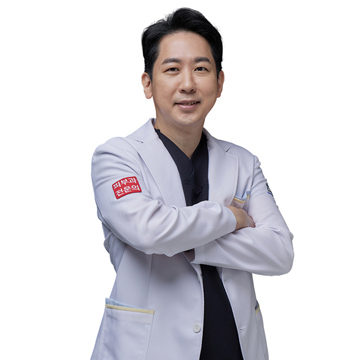
Dr. Lee Jung Hoon


Dr. Kim Sung Wook
CO2 Laser, like every service offered under this broader specialty, sits under SeouLeaguer Dermatology's Pigmentation & Laser Skin Treatment specialty, where candidacy assessment and treatment planning are shared by the clinic's three specialists: Dr. Lee Jung Hoon (board-certified dermatologist, Chief Director, 24+ years of practice), Dr. Kim Sung Wook (board-certified dermatologist, 29+ years of experience, professor of dermatology at the Catholic University of Korea), and Dr. Choi Hang Seok (board-certified plastic surgeon, residency at Seoul St. Mary's Hospital, The Catholic University of Korea). The clinician examines the skin condition, treatment area, skin type, pigmentation, scarring, and treatment goals, and reviews medical history, previous procedures, medications, and history of abnormal scarring before determining whether CO2 laser treatment is appropriate.
Who Is a Good Candidate for CO2 Laser?
- Adults with concerns such as acne scars, uneven skin texture, fine lines, enlarged pores, or selected scars and pigmentation problems who are suitable for laser resurfacing.
- Patients seeking more intensive resurfacing than non-ablative treatments can offer, and who can accommodate a longer recovery period as part of their travel plans.
- Patients with active skin infections or inflammation in the treatment area, certain uncontrolled medical conditions, poor wound healing, or a history of problematic scarring, who may not be suitable.
- Patients who have recently used certain medications or treatments that require postponement, with final suitability determined during consultation.
The appropriate treatment intensity depends on skin type, condition, and treatment goals, all of which the clinician assesses directly before confirming that CO2 Laser, rather than a gentler alternative, is the right match for the patient's specific concern.
International patients are generally advised to plan carefully around the longer recovery this treatment involves, since a more intensive single-session resurfacing effect means more visible downtime in the days immediately following, which needs to be factored honestly into any travel itinerary.
Patients with a history of cold sores around the treatment area are generally asked about this specifically, since the physical trauma of laser resurfacing can sometimes trigger a recurrence, and preventive medication may be recommended beforehand for patients with this history. This is a standard precaution rather than a sign that CO2 laser treatment is unusually risky for cold-sore-prone patients specifically, provided it is identified and managed proactively at consultation.
What to Expect: Procedure, Recovery, and Results Timeline
| Stage | What typically happens |
|---|---|
| Consultation | Skin condition, treatment area, pigmentation, scarring, and treatment goals are reviewed along with medical history and history of abnormal scarring. |
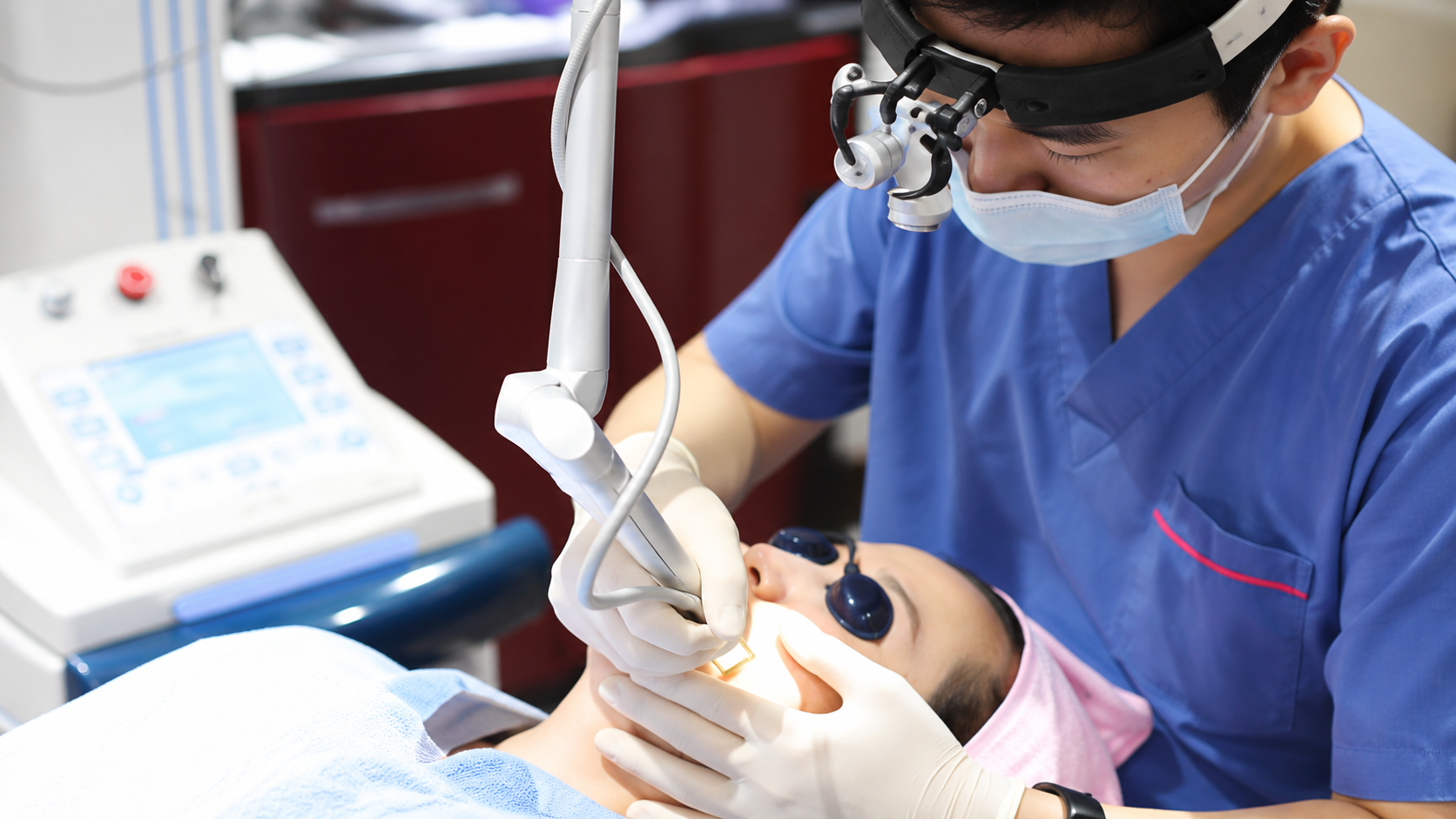
| Procedure | The skin is cleansed and prepared, numbing medication is applied when appropriate, and the CO2 laser is passed over the selected area to deliver controlled laser energy. |
| Immediate aftermath | Redness, swelling, burning, sensitivity, peeling, crusting, dryness, and discomfort may occur depending on treatment depth. |
| Recovery | Moderate; redness and peeling may last about 5–10 days, with some patients taking longer depending on treatment intensity. |
| Results timeline | Skin texture and appearance improve progressively as the treated skin heals and collagen remodeling occurs, continuing for several months. |
Preparation generally involves avoiding excessive sun exposure and tanning before treatment, and informing the clinician about medications, previous laser treatments, active skin conditions, cold-sore history, tendency to scar, and any products or procedures recently used on the treatment area. Aftercare typically involves keeping the treated area clean, following the clinic's wound-care instructions, using prescribed ointments or dressings when recommended, avoiding picking or peeling the skin, and minimizing sun exposure with appropriate protection once the skin has sufficiently healed. A session may take approximately 30–90 minutes including preparation and numbing time, and some concerns may require multiple sessions while deeper resurfacing may be performed as a single treatment followed by healing and assessment.
Combining CO2 Laser with Other Treatments
- CO2 Laser treatment may be combined with other skin treatments such as scar-focused procedures, injectables, or other resurfacing treatments.
- Combination treatment should be planned according to skin condition and recovery requirements rather than scheduled without regard for overlapping downtime.
- Treatment order and timing between combined procedures should be determined by a qualified clinician rather than assumed by the patient.
Longevity and Maintenance
Results may continue developing for several months as collagen remodeling progresses, and improvements can be long-lasting, although natural aging, sun exposure, acne, and other skin changes can affect the results over time. Some concerns may require multiple sessions, while deeper resurfacing may be performed as a single treatment followed by a period of healing and assessment before deciding whether further treatment is warranted.
For international patients who cannot return to Seoul frequently, the clinic can discuss how to plan around the recovery period within a single extended visit, including the recommended healing time before flying home, so travel plans account realistically for the treatment's more significant downtime compared with the specialty's gentler options.
Because CO2 laser treatment addresses structural aspects of the skin such as collagen quality, results are generally considered more durable than those from surface-level toning treatments, though ongoing sun protection and general skin care remain important to sustaining the improvement over the months and years following treatment.
Safety, Precision, and Clinic Standards
SeouLeaguer Dermatology is a Registered Medical Institution for Attracting Foreign Patients, certified by Korea's Ministry of Health and Welfare under the Act on Support for Overseas Expansion of Medical Services and Attraction of International Patients (Foreign Patient Attraction Registration No. M-2020-01-58584). Possible complications include infection, prolonged redness, changes in pigmentation, scarring, or delayed healing, with risk depending on treatment depth, skin type, and aftercare.
The clinic's physicians assess each patient specifically before treatment, since a history of problematic scarring, cold sores, or poor wound healing can significantly change whether CO2 Laser, and at what intensity, is appropriate. Patients are also encouraged to disclose any history of complications from previous resurfacing treatments, whether performed at this clinic or elsewhere, since prior response can meaningfully inform which settings are recommended for this visit.
The Bottom Line
- CO2 Laser uses carbon dioxide laser energy to deliver more intensive resurfacing than many non-ablative treatments, addressing texture, scarring, and pigmentation together.
- It sits at the more intensive end of the twelve services on this page, generally involving a longer recovery than gentler alternatives.
- Results develop progressively over several months as collagen remodeling continues, and improvements are generally considered relatively durable.
- Candidacy and treatment intensity are determined by the clinic's dermatologists and plastic surgeon together, based on skin type, scarring history, and treatment goals.
Frequently Asked Questions
**What exactly is CO2 Laser at SeouLeaguer Dermatology in Gangnam, Seoul?**It is a laser resurfacing treatment that uses controlled carbon dioxide laser energy to improve skin texture, acne scars, fine lines, pigmentation, and enlarged pores.**Is CO2 Laser generally considered safe for international patients traveling to Seoul specifically for this treatment?**Yes, CO2 Laser can be performed safely for eligible international patients following a careful review of skin condition, scarring history, and medical history at SeouLeaguer Dermatology.**How exactly is CO2 Laser different from Fraxel Laser, since both address similar concerns?**CO2 Laser generally provides more intensive resurfacing, while Fraxel Laser takes a more fractional, less invasive approach to similar concerns with typically shorter recovery.**In practical terms, what does recovery actually look like after a typical CO2 Laser session?**Redness and peeling may last about 5–10 days, with some patients taking longer depending on the specific treatment depth used.**Does SeouLeaguer Dermatology specifically offer CO2 Laser designed around the needs of international patients?**Yes, SeouLeaguer Dermatology offers CO2 Laser for international patients, with care led by the clinic's board-certified doctors and consultations available in English.**Can CO2 Laser realistically be combined with other treatments during the same clinic visit?**Yes, it may be combined with scar-focused procedures, injectables, or other resurfacing treatments, with timing planned around skin condition and recovery requirements.**Is CO2 Laser the strongest treatment on this page?**It is among the more intensive options, though "strongest" depends on the specific concern; CO2 Laser addresses a different depth of the skin than toning-based treatments rather than simply being a more powerful version of them.**How much downtime should I plan for after CO2 Laser treatment?**Plan for redness and peeling lasting roughly 5–10 days, and discuss your specific travel timeline directly with the clinician so recovery can be factored realistically into your overall trip plans.Is CO2 Laser safe for patients with a history of cold sores? Yes, with appropriate precautions — patients with this history are generally identified at consultation and may be given preventive medication beforehand to reduce the risk of a recurrence.
Patients deciding between CO2 Laser and a gentler alternative are encouraged to describe how much downtime they can realistically accommodate during their specific trip, since this practical constraint often matters just as much as the underlying skin concern itself when choosing between the specialty's more and less intensive resurfacing options available.
Book a Consultation at SeouLeaguer Dermatology
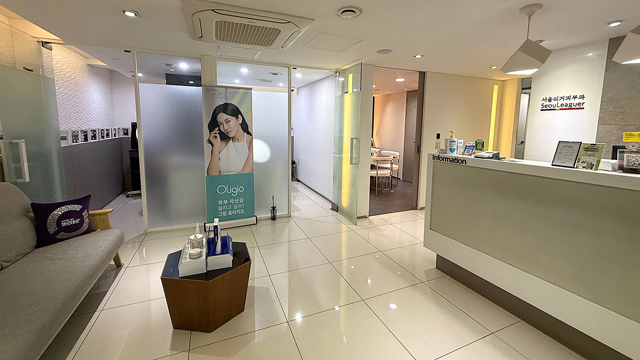
Looking for more intensive resurfacing to address acne scars, texture, or pigmentation together during your trip to Seoul? Book a consultation with SeouLeaguer Dermatology's dermatology team in Gangnam, Seoul, to discuss CO2 Laser.
Disclaimer
This page is for general informational purposes only and does not constitute medical advice. Individual results vary considerably by skin condition and treatment depth, and a qualified physician should personally assess your suitability for any treatment described here before proceeding.
Sources & Further Reading
Other Services
Explore additional treatments offered by our specialists.

Pico Fraxel
Pico Fraxel is a fractional laser treatment that delivers controlled laser energy to the skin to improve enlarged pores, uneven skin texture, acne-scar appearance, pigmentation, and overall skin quality.
Learn More

ONDA Lifting (Microwave Facial Contouring)
ONDA Lifting uses targeted microwave energy to improve skin firmness and contours through personalized treatment settings.
Learn More
CO2 Laser
CO2 laser treatment uses carbon dioxide laser energy to precisely remove or heat targeted layers of the skin.
Learn More