Personalized Medical Care & Dedicated International Patient Concierge


Non-Surgical Facial Lifting & Skin Tightening · Needs Clinic Confirmation
Thread Lifting
Thread Lifting uses minimally invasive threads placed beneath the skin to lift sagging tissue and improve facial and neck contours without surgery.
Schedule a ConsultationThread Lifting

Medically reviewed by Dr. Lee Jung Hoon, Dr. Kim Sung Wook (board-certified dermatologists) and Dr. Choi Hang Seok (board-certified plastic surgeon), SeouLeaguer Dermatology, Seoul
Thread Lifting is a minimally invasive cosmetic procedure in which absorbable or other medical threads are placed beneath the skin to provide a lifting effect, with common treatment areas including the cheeks, jawline, jowls, mid-face and neck.
What Is Thread Lifting?
Thread Lifting places medical threads beneath the skin to create a lifting effect at the time of insertion. Depending on the thread type and technique used, the threads may also stimulate collagen production as the body gradually absorbs them over time, adding a secondary, longer-developing improvement on top of the immediate mechanical lift. This dual mechanism — an immediate physical effect from the thread placement itself, plus a slower biological response as the body remodels tissue around the absorbing material — is a defining feature of thread-based treatment generally, distinguishing it from the purely energy-based technologies elsewhere in SeouLeaguer Dermatology's lifting specialty.
Threads used for this purpose vary in material, design and the way they anchor within the tissue, and the specific type selected by the physician influences both the character of the immediate lift and the pace of any subsequent collagen response. Because thread technology in this space continues to evolve, patients are encouraged to treat "Thread Lifting" as a category rather than a single fixed product, with the exact thread recommended depending on the treatment area, the degree of laxity present and the physician's clinical judgment at consultation.
- Mechanism: threads placed beneath the skin via needle or cannula, providing an immediate lift plus, depending on thread type, a gradual collagen response.
- Common treatment areas include the cheeks, jawline, jowls, mid-face and neck.
- Local anesthesia is commonly used to improve comfort during insertion; sedation or general anesthesia is not routinely required.
- Patients should understand that Thread Lifting does not provide the same degree or durability of lifting as a surgical facelift, and realistic expectations are part of candidacy assessment.
How Thread Lifting Compares to Other Options in This Specialty
Within the specialty, Thread Lifting is most often compared against the clinic's separate Diamond Line Lifting service (another thread-based treatment using a distinct lattice-style pattern), the various energy-based technologies such as Ultherapy PRIME®, Thermage FLX® and Oligio, and, for more significant laxity, a surgical facelift or neck lift performed by the clinic's plastic surgeon. Alternatives to Thread Lifting may also include non-surgical energy-based skin tightening using radiofrequency or ultrasound, or dermal fillers for selected volume-related concerns rather than laxity itself. The appropriate option depends on the patient's anatomy, degree of laxity, goals and tolerance for downtime and, where relevant, surgery; Thread Lifting is positioned as a middle ground offering a modest, physically immediate lift without the recovery burden of surgery.
Who Performs Thread Lifting at SeouLeaguer Dermatology
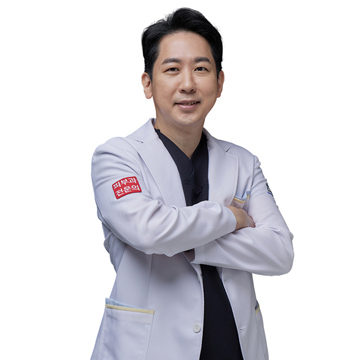
Dr. Lee Jung Hoon

Dr. Choi Hang Seok

Dr. Kim Sung Wook
Thread Lifting sits under SeouLeaguer Dermatology's Non-Surgical Facial Lifting & Skin Tightening specialty, where candidacy assessment and treatment planning are shared by the clinic's three specialists: Dr. Lee Jung Hoon (board-certified dermatologist, Chief Director, 24+ years of practice), Dr. Kim Sung Wook (board-certified dermatologist, 29+ years of experience, professor of dermatology at the Catholic University of Korea), and Dr. Choi Hang Seok (board-certified plastic surgeon, residency at Seoul St. Mary's Hospital, The Catholic University of Korea). As with the clinic's other thread-based service, Diamond Line Lifting, the hands-on, technique-dependent nature of thread placement makes the inclusion of a board-certified plastic surgeon on the team particularly relevant for Thread Lifting candidates.
Who Is a Good Candidate for Thread Lifting?
- Adults with mild-to-moderate skin laxity who want a modest lifting effect and understand that a thread lift does not provide the same degree of correction as a surgical facelift.
- The doctor should assess skin quality, facial structure, degree of laxity, medical history and expectations before treatment.
- Not suitable for people with an active skin infection or inflammation in the treatment area, certain bleeding or clotting problems, or certain medical conditions affecting healing.
- Severe skin laxity is generally better addressed surgically, and candidates in this category are advised accordingly rather than offered Thread Lifting as a substitute.
- Pregnancy or breastfeeding may require postponement; final suitability depends on individual medical assessment.
What to Expect: Procedure, Recovery, and Results Timeline
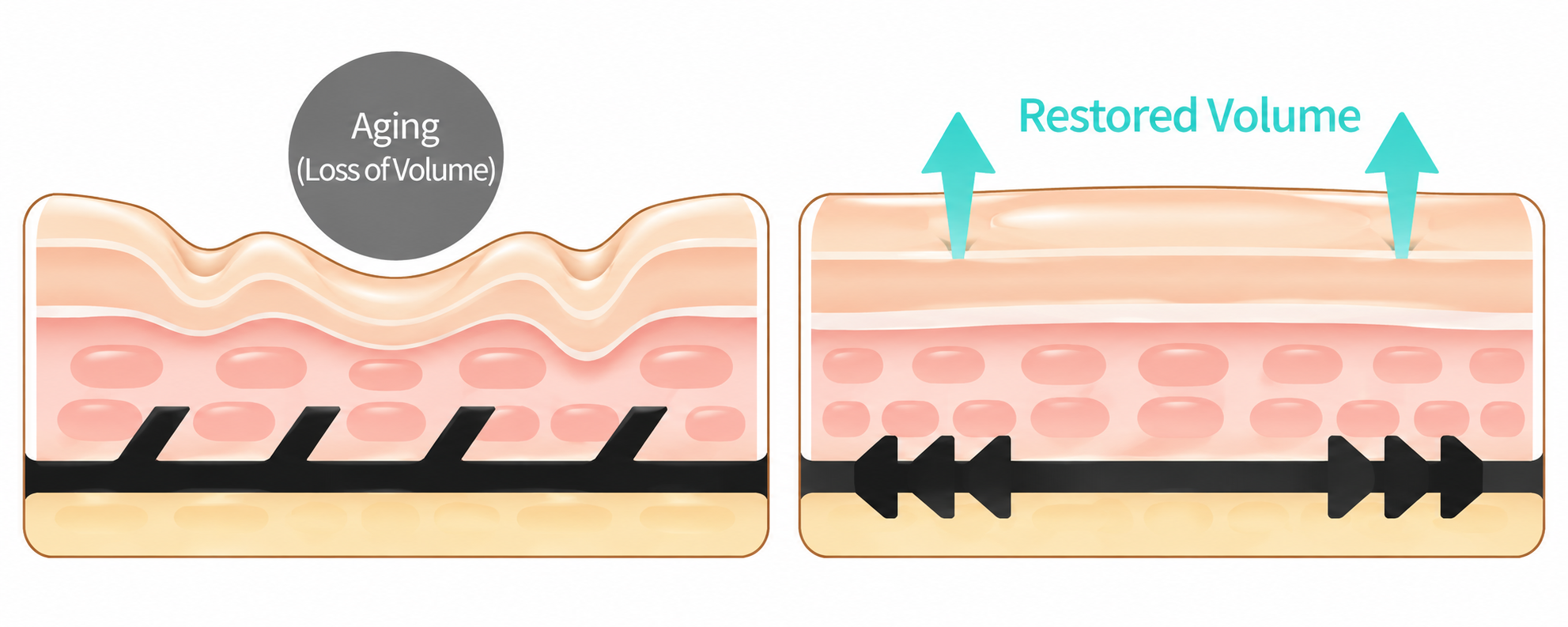
The doctor reviews the patient's concerns, medical history, medications, allergies, previous cosmetic procedures and treatment goals, then assesses the face for skin laxity, tissue volume, facial structure and symmetry before discussing whether Thread Lifting is appropriate, which areas may be treated, expected results, possible risks, recovery and alternatives. The procedure itself generally follows a consistent sequence: the treatment areas and thread placement points are marked, the skin is cleansed, local anesthesia or another appropriate pain-control method may be used, and a needle or cannula is used to place the selected threads beneath the skin according to the planned treatment pattern. The threads are then positioned and adjusted to create the intended lifting effect, after which the insertion areas are checked and aftercare instructions are provided.
Common temporary effects after treatment can include swelling, bruising, tenderness, tightness, discomfort and mild asymmetry. Depending on the specific technique and thread used, dimpling, contour irregularity, palpable or visible threads, infection, inflammation, thread migration or extrusion, and nerve or blood-vessel injury can occur, and patients should seek medical attention for severe or worsening pain, significant swelling, spreading redness, fever, pus, marked skin discoloration or new neurological symptoms. Most patients can return to normal activities within a day or a few days; swelling and bruising are most noticeable for several days and settle over one to two weeks. Before treatment, patients should tell the doctor about all prescription medicines, over-the-counter medicines, supplements, allergies, medical conditions, previous cosmetic procedures and pregnancy or breastfeeding, and should not stop prescribed medication, including blood thinners, unless specifically instructed by the prescribing clinician.
Some lifting may be noticeable immediately after treatment, although early swelling can affect how the result initially appears; as swelling settles, the result becomes easier to assess. Collagen-related changes may develop gradually over the following weeks to months with certain absorbable threads. Aftercare generally includes keeping insertion areas clean, avoiding unnecessary pressure or manipulation of the treated areas, temporarily avoiding strenuous exercise and activities that place significant pressure on the face, and following the clinic's instructions regarding facial massage, dental procedures, heat exposure and skincare. A session commonly takes approximately 30 to 90 minutes depending on the treatment area and number of threads, and is generally performed as an outpatient procedure; international patients should allow sufficient time for swelling and bruising to settle before flying and should confirm the recommended travel schedule with the treating doctor.
Longevity and Maintenance
Results from Thread Lifting are temporary and vary considerably between patients; longevity depends on the thread material and design, treatment technique, age, skin condition, lifestyle and the individual aging process. Because absorbable threads are gradually broken down by the body, the mechanical support they provide diminishes over time even as any collagen-related improvement continues to mature, meaning the overall visible result can shift gradually rather than ending abruptly on a fixed date. Patients interested in sustaining their result typically discuss a maintenance timeline with their physician once the initial outcome has stabilized, since the clinic does not apply a single fixed re-treatment interval to every patient; some return for a repeat thread placement, while others transition toward an energy-based technology elsewhere in the specialty.
Patients are generally advised not to assume that a second thread placement will simply reproduce the first result in the same way, since skin condition and the degree of laxity can change between treatments, and the physician reassesses candidacy and thread pattern at each subsequent visit rather than repeating a fixed protocol automatically. For patients who found the initial result satisfying but relatively short-lived, a conversation about combining a lighter, more frequent thread maintenance schedule with an energy-based technology for longer-term tightening is often a more productive path than simply repeating Thread Lifting at ever-shorter intervals.
Combining Thread Lifting with Other Treatments
Combination planning for Thread Lifting is handled individually by the treating physician, weighing the patient's specific concerns, anatomy and recovery timeline against the distinct recovery profile of thread placement compared with purely energy-based or injectable treatments elsewhere in the clinic. Patients interested in addressing volume loss or skin quality concerns alongside their lifting goals are encouraged to raise these during the same consultation, so that sequencing between thread placement and any additional treatment can be planned appropriately rather than scheduled without coordination. Because swelling and bruising from thread placement can temporarily obscure the effect of a treatment performed on the same day, the physician will often recommend spacing combined treatments a short time apart so that each can be assessed clearly on its own.
Safety, Precision, and Clinic Standards
SeouLeaguer Dermatology is a Registered Medical Institution for Attracting Foreign Patients, certified by Korea's Ministry of Health and Welfare under the Act on Support for Overseas Expansion of Medical Services and Attraction of International Patients (Foreign Patient Attraction Registration No. M-2020-01-58584). As a minimally invasive procedure involving needle or cannula placement of foreign material beneath the skin, how safely Thread Lifting is carried out hinges heavily on the treating clinician's hands-on skill and judgment in choosing the right thread, entry points and depth for each patient's anatomy, which is part of why the clinic's team includes a board-certified plastic surgeon alongside its dermatologists. Possible risks include swelling, bruising, tenderness, tightness, discomfort, mild asymmetry, and less commonly dimpling, contour irregularity, palpable or visible threads, infection, inflammation, thread migration or extrusion, and nerve or blood-vessel injury.
The clinic's physicians review medications, allergies, medical conditions, previous cosmetic procedures and pregnancy or breastfeeding status before treatment, and will decline or postpone treatment where a contraindication applies, such as active skin infection or certain bleeding and clotting problems. Patients are encouraged to discuss the treating physician's specific experience with thread-based procedures during consultation, since technique and judgment matter considerably more for this treatment than for the specialty's purely energy-based options.
The Bottom Line
In short, Thread Lifting suits patients with mild-to-moderate skin laxity who want a modest, immediately noticeable lift with a limited recovery period, and who understand it is not equivalent to a surgical facelift in degree or durability. It is best approached with realistic expectations about both the size of the lift it provides and how long that lift is likely to last for a given patient's skin.
- Thread Lifting provides an immediate mechanical lift plus, depending on thread type, a gradual collagen response.
- Most patients return to normal activities within a day or a few days, with swelling and bruising settling over one to two weeks.
- Results are temporary and vary by thread material, technique, age, skin condition and lifestyle.
- Combination planning with other treatments is handled individually given the distinct recovery profile of thread placement.
- Candidacy and thread selection are determined jointly by the clinic's dermatologists and plastic surgeon.
Frequently Asked Questions
**Who is a good candidate for Thread Lifting?**Adults with mild-to-moderate skin laxity who want a modest lifting effect and understand that a thread lift does not provide the same degree of correction as a surgical facelift.**Who should avoid or postpone Thread Lifting?**People with active skin infection or inflammation in the treatment area, certain bleeding or clotting problems, certain medical conditions affecting healing, or severe skin laxity better addressed surgically; pregnancy or breastfeeding may also require postponement.**How long does the procedure take?**A session commonly takes approximately 30 to 90 minutes, depending on the treatment area and number of threads, and is generally performed as an outpatient procedure.**Is Thread Lifting painful?**Local anesthesia is commonly used to improve comfort during insertion; sedation or general anesthesia is not routinely required for a typical procedure.**How many days should I stay in Korea, and when can I fly home?**A short stay may be sufficient for a single treatment, but international patients should allow several days for early swelling and bruising to settle and should confirm the exact schedule with the treating doctor.**When will I see results?**Some lifting may be noticeable immediately, though early swelling can affect how it initially appears; collagen-related changes may develop gradually over the following weeks to months with certain absorbable threads.What should I ask the physician before booking? It is reasonable to ask about the physician's specific experience with thread-based procedures, since outcomes depend considerably on technique and judgment about thread type and placement.
Book a Consultation at SeouLeaguer Dermatology
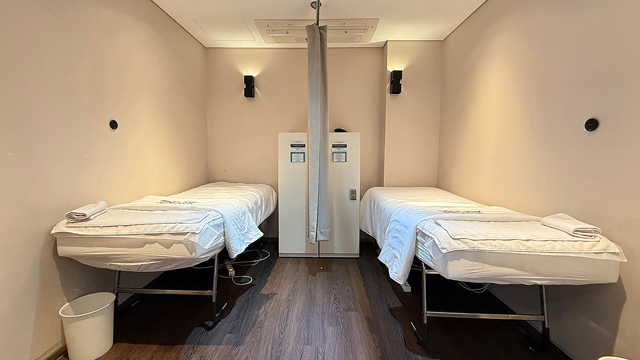
To find out whether Thread Lifting or a different thread-based or energy-based technology fits your skin and goals, book a consultation with SeouLeaguer Dermatology's dermatology and plastic surgery team in Gangnam, Seoul.
Disclaimer
This page is for general informational purposes only and does not constitute medical advice. Individual results vary, and a qualified physician should assess your suitability for any treatment described here before proceeding.
Sources & Further Reading
Other Services
Explore additional treatments offered by our specialists.

Pico Fraxel
Pico Fraxel is a fractional laser treatment that delivers controlled laser energy to the skin to improve enlarged pores, uneven skin texture, acne-scar appearance, pigmentation, and overall skin quality.
Learn More

ONDA Lifting (Microwave Facial Contouring)
ONDA Lifting uses targeted microwave energy to improve skin firmness and contours through personalized treatment settings.
Learn More
CO2 Laser
CO2 laser treatment uses carbon dioxide laser energy to precisely remove or heat targeted layers of the skin.
Learn More