Personalized Medical Care & Dedicated International Patient Concierge


Specialty Overview
Pigmentation & Laser Skin Treatment
Pigmentation and laser skin treatments at SeouLeaguer Dermatology in Gangnam, Seoul — twelve dedicated laser and light-based services for dark spots, uneven tone, redness, and skin texture, reviewed by board-certified d…
Schedule a ConsultationPigmentation & Laser Skin Treatment
Medically reviewed by Dr. Lee Jung Hoon and Dr. Kim Sung Wook (board-certified dermatologists), SeouLeaguer Dermatology, Seoul
What Is Pigmentation & Laser Skin Treatment?
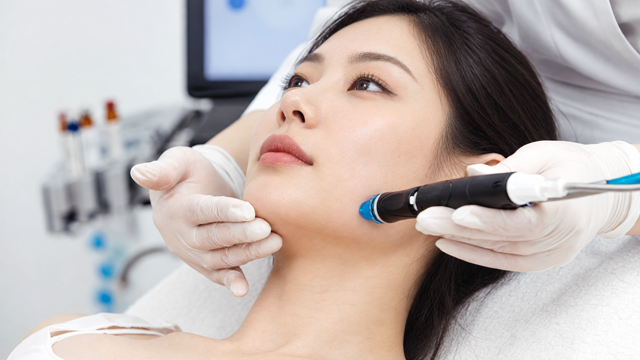
Pigmentation & Laser Skin Treatment uses laser or light-based technology to target unwanted pigmentation and improve the appearance of uneven skin tone. Depending on the pigmentation type and skin condition, treatment may be used for concerns such as dark spots, freckles, sun-related pigmentation, or other forms of hyperpigmentation. The appropriate treatment is selected after evaluating the skin and treatment goals, and multiple sessions may be recommended depending on the individual response.
SeouLeaguer Dermatology groups twelve dedicated pigmentation and laser services under this specialty: Pico Laser, Ruby Laser, Ruby Pico Toning, V-Beam Laser, CO2 Laser, Laser Toning, Fraxel Laser, Secret Laser, LDM, APL Treatment, the Pigment Clear Program, and Refractory Pigmentation Treatment. Each targets pigmentation or related skin concerns through a different technology or treatment philosophy, and the clinician selects among them based on the specific type, depth, and cause of the patient's pigmentation.
Patients may seek this treatment to reduce the appearance of dark spots, improve uneven skin tone, address sun-related pigmentation, and achieve clearer-looking skin. International patients in particular often arrive having already tried over-the-counter brightening products without success, and are looking for a more clinically directed approach backed by an in-person skin assessment rather than another round of topical trial and error.
Because pigmentation can originate from several distinct causes — sun exposure, hormonal changes, inflammation, genetics, or a combination of these — the specialty is deliberately built around a range of technologies rather than a single laser. A dark spot that responds well to one wavelength may respond poorly to another, and a technology well suited to superficial sun spots may be the wrong tool entirely for deeper or more stubborn pigmentation. The clinic's physicians generally explain this distinction at consultation, since patients sometimes assume that any laser described as treating "pigmentation" will work equally well on their specific concern.
How the Services Compare

Pico Laser and Laser Toning are generally positioned as gentler, more gradual options well suited to patients who want broad improvement in tone and clarity with relatively little downtime. Pico Laser in particular uses ultra-short pulses that can support overall skin rejuvenation alongside pigment reduction, while Laser Toning is more narrowly focused on evening out tone through a series of low-intensity sessions. Ruby Laser and Ruby Pico Toning use wavelengths specifically absorbed by melanin and are often reserved for deeper or more stubborn pigmented lesions, with Ruby Laser generally considered the more targeted option for discrete dark spots and Ruby Pico Toning better suited to broader areas of superficial discoloration and freckling.
V-Beam Laser addresses vascular redness rather than brown pigmentation specifically, making it the preferred choice when visible blood vessels, facial flushing, or rosacea-related redness are the primary concern rather than melanin-based dark spots. Its built-in cooling system is designed to protect surrounding tissue while targeting the vessels themselves, which is part of why it is grouped with the other pigmentation services even though its target is technically different.
CO2 Laser, Fraxel Laser, and Secret Laser are more intensive resurfacing options that address texture, scarring, and enlarged pores alongside pigmentation, generally at the cost of a longer recovery than the gentler toning lasers. Among these three, CO2 Laser is the most ablative and intensive, Fraxel Laser takes a fractional, less invasive approach to similar concerns, and Secret Laser combines microneedling with radiofrequency energy to reach deeper layers of the skin without fully ablating the surface. Patients weighing these three options are generally asked how much downtime they can realistically accommodate, since the degree of resurfacing achievable scales closely with the length of recovery required.
LDM is a supportive, non-invasive ultrasound treatment aimed at hydration and skin comfort rather than active pigment removal, and is sometimes used alongside one of the more active pigmentation lasers to help the skin recover between sessions. APL Treatment, the Pigment Clear Program, and Refractory Pigmentation Treatment are more flexible, assessment-driven options — the Pigment Clear Program and Refractory Pigmentation Treatment in particular are built around customizing a plan to the individual case rather than applying one fixed technology, with Refractory Pigmentation Treatment specifically intended for pigmentation that has already been treated elsewhere without lasting success.
Who Performs These Treatments at SeouLeaguer Dermatology

Dr. Lee Jung Hoon, Chief Director Board-certified Dermatologist Dr. Kim Sung Wook
Board-certified Dermatologist Dr. Choi Hang Seok
Board-certified Plastic Surgeon
Every service under this specialty sits under SeouLeaguer Dermatology's Pigmentation & Laser Skin Treatment specialty, where candidacy assessment and treatment planning are shared by the clinic's three specialists: Dr. Lee Jung Hoon (board-certified dermatologist, Chief Director, 24+ years of practice), Dr. Kim Sung Wook (board-certified dermatologist, 29+ years of experience, professor of dermatology at the Catholic University of Korea), and Dr. Choi Hang Seok (board-certified plastic surgeon, residency at Seoul St. Mary's Hospital, The Catholic University of Korea). The clinician generally examines the pigmentation, assesses the skin condition and medical history, reviews previous treatments and medications, and discusses the patient's goals before selecting an appropriate treatment.
Who Is a Good Candidate for These Treatments?
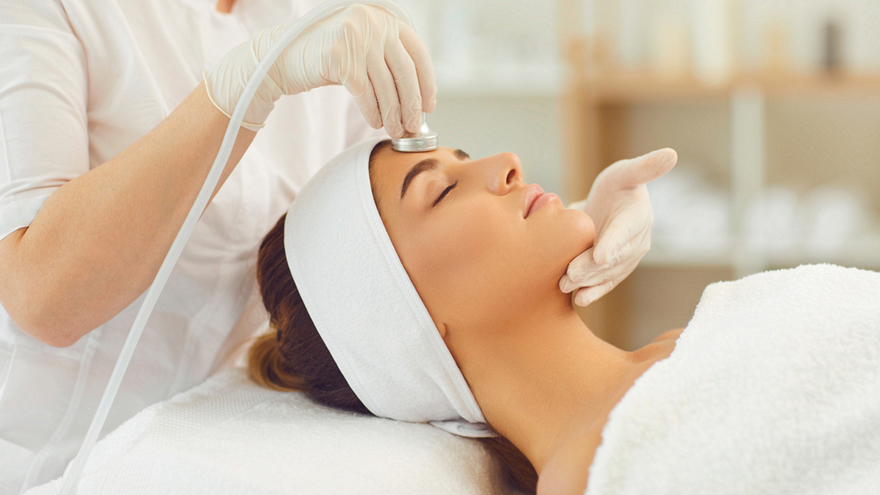
- Adults with unwanted pigmentation or uneven skin tone who are in good overall health and have realistic expectations about what laser treatment can achieve.
- International patients who want a specialist assessment to match the right technology to their specific type of pigmentation rather than guessing from general online information.
- People with active skin infections, significant inflammation, certain photosensitive conditions, recent tanning, or other factors that may increase treatment risk may need to postpone or avoid treatment.
- Patients with persistent or recurrent pigmentation that has not responded well to previous treatments, who may be better suited to the Pigment Clear Program or Refractory Pigmentation Treatment than to a single standard laser session.
A consultation is needed to determine whether any specific treatment under this specialty is appropriate, since pigmentation type, skin tone, and prior treatment history all influence which technology is likely to help and which could worsen the appearance of the skin if used on the wrong case. Patients with darker or more tanned skin tones, for example, are generally screened more carefully before intensive resurfacing lasers such as CO2 or Fraxel, since these skin types carry a higher relative risk of post-inflammatory pigmentation changes if settings are not matched appropriately, whereas gentler toning-based services often remain reasonable options.
Patients who are uncertain whether their concern counts as "pigmentation" at all — for instance, redness that could be either vascular or pigment-related, or a mixed picture of both — are also well suited to a consultation-first approach, since the clinician can examine the skin directly rather than the patient guessing from online descriptions which of the twelve services might apply.
What to Expect: Procedure, Recovery, and Results Timeline
| Stage | What typically happens |
|---|---|
| Consultation | The clinician examines the pigmentation, assesses skin type and medical history, and reviews previous treatments before recommending a specific service. |
| Procedure | The treatment area is cleansed, protective measures are applied as needed, and the selected laser or light-based treatment is delivered to the targeted areas. |
| Immediate aftermath | Temporary redness, warmth, swelling, dryness, sensitivity, peeling, or temporary darkening/lightening of the treated skin may occur, depending on the specific service. |
| Recovery | Redness and sensitivity may last 1–3 days for gentler treatments; peeling or pigmentation changes may occur for up to 1–2 weeks depending on treatment intensity. |
| Results timeline | Improvement may become visible as the treated pigmentation gradually fades, with further improvement developing over the following weeks; multiple sessions are often recommended. |
Preparation generally involves avoiding excessive sun exposure and tanning before treatment, and informing the clinician about medications, skincare products, previous laser treatments, and existing skin conditions. Aftercare typically involves following the clinic's instructions for cleansing, moisturizing, and sun protection, and avoiding unnecessary sun exposure or picking at the treated skin. Sessions usually take about 15–60 minutes, depending on the treatment area and the specific laser used, and the exact number of visits and recommended stay in Korea depend on the treatment plan.
Combining These Treatments with Other Services
Pigmentation laser treatment may be combined with other skin treatments when appropriate to address multiple skin concerns, such as texture, pore size, or early signs of aging alongside pigmentation. The specific combinations and recommended timing depend on the patient's skin condition and treatment plan, and should be worked out individually at consultation rather than assumed by the patient. International patients who want to combine several treatments during one trip to Seoul are encouraged to raise this early, so a sensible order and spacing can be built into the visit from the outset.
Longevity and Maintenance
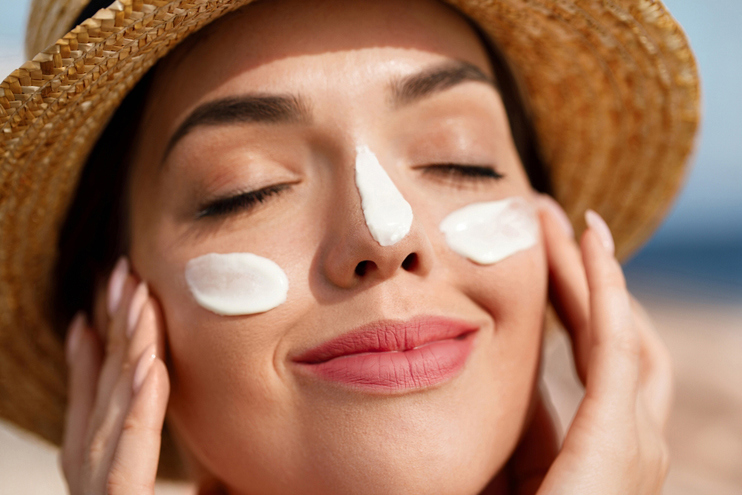
Pigmentation can recur because of sun exposure, aging, hormonal changes, or other factors, so results from any of these services are not guaranteed to be permanent. Multiple sessions may be required to achieve the desired improvement, and maintenance treatment is commonly recommended to sustain results over time, particularly for patients with a strong underlying tendency toward pigmentation such as melasma or chronic sun damage.
Many of these services are planned as a series of sessions rather than a single visit, so patients should discuss a realistic session count and schedule with the clinician before finalizing travel. For patients who can only make one extended trip to Seoul, the clinic can discuss which services are best suited to a single-visit protocol versus which genuinely require a staged series of return visits.
Consistent sun protection between sessions and after a course of treatment has a meaningful effect on how long results last, since ultraviolet exposure is one of the most common drivers of pigmentation recurrence. The clinic's physicians generally emphasize this point regardless of which specific service a patient chooses, since no laser or light-based treatment can fully compensate for ongoing unprotected sun exposure afterward.
Patients traveling from climates with strong year-round sun exposure sometimes ask whether it is worth treating pigmentation at all if it is likely to return once they go home. The clinic's physicians generally frame this honestly: treatment can meaningfully improve the appearance of existing pigmentation and is not a wasted effort simply because perfect, permanent prevention is not realistic, but patients who understand upfront that diligent sun protection is part of the result — not an optional add-on — tend to be more satisfied with how long their improvement lasts.
Hormonal pigmentation, such as melasma, behaves somewhat differently from sun-induced spots and can be more prone to recurrence regardless of sun protection, since hormonal fluctuations themselves can reactivate the underlying pigment-producing cells. Patients with this pattern are generally counseled that maintenance sessions and a longer-term management approach, rather than a single course of treatment, are the realistic path to sustained improvement.
Safety, Precision, and Clinic Standards
SeouLeaguer Dermatology is a Registered Medical Institution for Attracting Foreign Patients, certified by Korea's Ministry of Health and Welfare under the Act on Support for Overseas Expansion of Medical Services and Attraction of International Patients (Foreign Patient Attraction Registration No. M-2020-01-58584). Possible effects across these services include temporary redness, warmth, swelling, dryness, sensitivity, peeling, or temporary darkening/lightening of the treated skin; less common complications can include burns, infection, scarring, or prolonged pigmentation changes.
The treating physicians review active infections, allergies, uncontrolled medical conditions, and pregnancy or breastfeeding status before proceeding, and will decline or postpone treatment where a contraindication applies. Because the right technology depends so heavily on the type and depth of a patient's pigmentation, the clinic's physicians assess each patient specifically before treatment rather than recommending a particular laser from general online descriptions alone.
Recent tanning or sun exposure is one of the more common reasons a planned session gets postponed, since freshly tanned or sunburned skin carries a meaningfully higher risk of complications from laser treatment, particularly with the more intensive resurfacing options. Patients are generally asked directly about recent sun exposure and tanning bed use at consultation, and honest disclosure here is treated as a safety matter rather than a formality, since proceeding on recently tanned skin can produce a worse outcome than simply rescheduling.
Patients taking medications that increase photosensitivity, or with a personal or family history of abnormal scarring, are also flagged for additional caution, since these factors can change which of the twelve services is appropriate or whether settings need to be adjusted more conservatively than they would be for a typical patient. The clinic's physicians would rather identify these factors at consultation than discover them mid-treatment.
The Bottom Line
- Pigmentation & Laser Skin Treatment groups twelve distinct services, each using a different technology or approach to address pigmentation, redness, texture, or related skin concerns.
- The right service depends on the type, depth, and cause of a patient's pigmentation, which is why an individual consultation precedes any specific recommendation.
- Results generally develop progressively and are not guaranteed to be permanent, with ongoing sun protection playing a major role in how long improvement lasts.
- Candidacy and treatment planning are shared across the clinic's three specialists: Dr. Lee Jung Hoon, Dr. Kim Sung Wook, and Dr. Choi Hang Seok.
Frequently Asked Questions
**What exactly does Pigmentation & Laser Skin Treatment cover at SeouLeaguer Dermatology?**It covers twelve distinct pigmentation- and laser-based services, from gentler toning lasers to more intensive resurfacing treatments and customized pigmentation programs.**How do I know which of the twelve services is right for my specific pigmentation?**An in-person consultation is needed, since the type, depth, and cause of pigmentation determine which technology is likely to help most and which could worsen the skin's appearance if used incorrectly.**Is pigmentation treatment generally considered safe for international patients traveling to Seoul?**Yes, these treatments can be performed safely for eligible international patients following an individualized skin assessment at SeouLeaguer Dermatology.**Realistically, how long do I need to stay in Korea for a course of pigmentation treatment?**Many of these services are planned as a series of sessions rather than a single visit, so patients should discuss a realistic session count and schedule with the clinician before finalizing travel.**Will my pigmentation come back after treatment?**It can, particularly with continued sun exposure, aging, or hormonal changes, which is why ongoing sun protection and sometimes maintenance sessions are recommended.**What if my pigmentation didn't respond well to treatment at another clinic?**The Pigment Clear Program and Refractory Pigmentation Treatment are specifically built around reassessing persistent or recurrent pigmentation rather than repeating the same approach that did not work before.**Can these treatments be combined with other dermatology or plastic surgery services during the same trip?**Yes, combination is common, and the specific order and spacing should be worked out individually at consultation based on the patient's full treatment plan.**Is one of these twelve services always more effective than the others?**No — effectiveness depends entirely on matching the right technology to the specific pigmentation being treated, not on any single service being universally superior to the rest.What happens if the clinician determines none of these twelve services is appropriate for my skin right now? In that case the physician will generally explain what needs to change first — such as resolving an active skin condition or allowing a recent tan to fade — before any laser or light-based treatment can be safely scheduled.
Patients who are uncertain which of the twelve services applies to their situation are encouraged to describe their pigmentation history candidly at consultation, including how long it has been present, whether it has changed with the seasons, and whether anything has been tried previously, so the physician can narrow the options efficiently rather than starting from a blank slate. Bringing photos that show how the pigmentation has changed over recent months, if available, can also help the clinician assess the pattern more quickly than relying on memory alone during a single in-person visit.
Book a Consultation at SeouLeaguer Dermatology
Concerned about dark spots, uneven tone, or stubborn pigmentation that hasn't responded to previous treatment? Book a consultation with SeouLeaguer Dermatology's dermatology team in Gangnam, Seoul, to discuss Pigmentation & Laser Skin Treatment.
Disclaimer
This page is for general informational purposes only and does not constitute medical advice. Individual results vary considerably by pigmentation type, skin characteristics, and treatment method, and a qualified physician should personally assess your suitability for any treatment described here before proceeding.
Sources & Further Reading
Related Services
Procedures available within our clinical departments.

Botox Injections for Wrinkles
Botox Injections for Wrinkles target the specific facial muscles whose repeated contraction, over years of expression, creates dynamic wrinkles.
Learn More

Oxygen Detox Care
Oxygen Detox Care is a non-invasive skin-care treatment designed to refresh and hydrate the skin using an oxygen-focused care method.
Learn More

Hyaluronic Acid Filler
Hyaluronic Acid Filler restores facial volume, smooths lines and folds, and enhances facial contours through minimally invasive injections.
Learn More