Personalized Medical Care & Dedicated International Patient Concierge


Pigmentation & Laser Skin Treatment · Needs Clinic Confirmation
Laser Toning
Laser toning is a laser-based skin treatment that uses controlled laser energy to target excess pigmentation and improve uneven skin tone.
Schedule a ConsultationLaser Toning

Medically reviewed by Dr. Lee Jung Hoon and Dr. Kim Sung Wook (board-certified dermatologists), SeouLeaguer Dermatology, Seoul
What Precisely And Specifically Is Laser Toning?
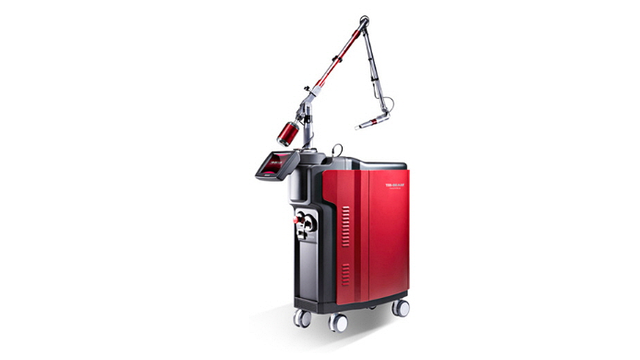
Laser toning is a laser-based skin treatment that uses controlled laser energy to target excess pigmentation and improve uneven skin tone. It may also support overall skin clarity and brightness. The treatment may be performed using a Q-switched or picosecond laser, depending on the pigmentation being treated and the clinic's available equipment, with settings adjusted according to skin type, pigmentation pattern, and individual needs.
International patients often request Laser Toning to address uneven skin tone, pigmentation, dark spots, and dull-looking skin, and it is frequently suitable for patients seeking a gradual skin-brightening treatment with relatively little downtime. Among the twelve services offered under this specialty, Laser Toning is positioned toward the gentler, more gradual end, generally producing incremental improvement across a series of sessions rather than a single dramatic result.
Because Laser Toning is intentionally low-intensity, patients sometimes assume that it will be less effective overall than the specialty's more intensive options. The clinic's physicians generally explain that lower intensity per session is a deliberate design choice intended to minimize downtime and the risk of complications, not a sign of reduced long-term effectiveness, provided patients commit to the recommended number of sessions rather than expecting a single visit to resolve a long-standing pigmentation concern.
Patients researching this treatment online sometimes encounter marketing language suggesting Laser Toning can brighten the skin generally, beyond addressing specific pigmentation. While some overall clarity and brightness improvement is a commonly reported effect, the clinic's physicians are generally careful to frame this as a secondary benefit of treating visible pigmentation rather than the central, guaranteed outcome of the treatment for every patient regardless of their starting skin condition.
The underlying technology — either Q-switched or picosecond laser, depending on the specific pigmentation being treated — delivers energy in pulses brief enough to fragment pigment particles without transferring excessive heat to the surrounding skin. This gentler thermal profile is part of why Laser Toning is generally associated with a shorter recovery than many of the specialty's more intensive resurfacing options, even though the trade-off is that any single session tends to produce a more modest, incremental result.
Patients sometimes ask whether choosing the picosecond option over the Q-switched option, or vice versa, will make a meaningful difference to their specific results. The clinic's physicians generally explain that the choice between these underlying technologies depends on the type and depth of pigmentation present rather than one device being universally superior to the other, and that this is precisely the kind of technical decision the consultation is designed to make on the patient's behalf.
How Laser Toning Compares to Other Options
Compared with Pico Laser, which combines pigment reduction with broader skin rejuvenation in the same treatment, Laser Toning is more narrowly focused on evening out tone through a series of low-intensity sessions. Compared with Ruby Pico Toning, which uses a related but distinct device and pulse technology, Laser Toning may use either a Q-switched or picosecond laser depending on the clinic's assessment of the patient's specific pigmentation, and the clinician will determine which specific toning-category service is the better individual fit.
Who Performs Laser Toning at SeouLeaguer Dermatology

Dr. Lee Jung Hoon


Dr. Kim Sung Wook
Laser Toning, like every service offered under this broader specialty, sits under SeouLeaguer Dermatology's Pigmentation & Laser Skin Treatment specialty, where candidacy assessment and treatment planning are shared by the clinic's three specialists: Dr. Lee Jung Hoon (board-certified dermatologist, Chief Director, 24+ years of practice), Dr. Kim Sung Wook (board-certified dermatologist, 29+ years of experience, professor of dermatology at the Catholic University of Korea), and Dr. Choi Hang Seok (board-certified plastic surgeon, residency at Seoul St. Mary's Hospital, The Catholic University of Korea). The clinician evaluates skin type, pigmentation, skin tone, and the patient's treatment goals, assessing the cause and type of pigmentation before selecting the appropriate laser settings and treatment plan.
Who Is a Good Candidate for Laser Toning?
- Patients with concerns such as uneven pigmentation, freckles, sun spots, or dull and uneven skin tone who are suitable for laser treatment.
- Patients seeking a gradual skin-brightening treatment with relatively little downtime who can commit to a series of sessions rather than a single visit.
- Patients with active skin infections, significant inflammation, open wounds, or certain conditions that increase sensitivity to laser treatment, who may not be suitable.
- Patients with a history of pigmentation changes or taking certain medications, who may require additional assessment before treatment is confirmed.
Treatment settings should be adjusted according to skin type, pigmentation pattern, and individual needs, all of which the clinician reviews directly rather than applying a single standard protocol to every patient regardless of their specific skin.
Patients who want fast, dramatic results in a single visit are generally advised that Laser Toning is not designed for that purpose, and that one of the specialty's more intensive options may be a better fit if rapid, single-session improvement is the priority over a gradual, lower-risk approach.
Patients traveling to Seoul for a single extended visit sometimes ask whether they can simply book several Laser Toning sessions back-to-back on consecutive days to compress a normally multi-week course into their trip. The clinic's physicians generally explain that this is not how the treatment is designed to work, since the skin needs time between sessions to respond and recover, and compressing the schedule too tightly can increase the risk of irritation without meaningfully accelerating the underlying pigment-clearing process.
What to Expect: Procedure, Recovery, and Results Timeline
| Stage | What typically happens |
|---|---|
| Consultation | Skin type, pigmentation, and skin tone are evaluated, and the cause and type of pigmentation are assessed before selecting laser settings. |
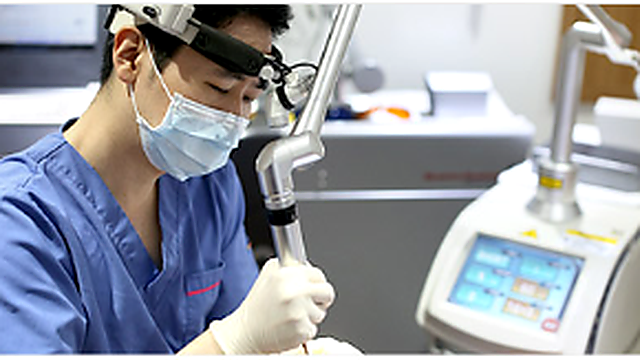
| Procedure | The skin is cleansed and prepared, the treatment area is examined, appropriate laser settings are selected, and the laser is applied to targeted areas. |
| Immediate aftermath | Mild warmth, tingling, or a brief snapping sensation during treatment; temporary redness, sensitivity, or mild swelling afterward. |
| Recovery | Generally minimal downtime; mild redness or sensitivity usually settles within a short period, and most patients return to normal activities shortly after treatment. |
| Results timeline | Pigmentation may improve progressively over multiple treatments, with results varying by pigmentation type, skin type, and individual response. |
Preparation generally involves avoiding excessive sun exposure and tanning before treatment, and informing the clinician about recent skincare procedures, medications, active skin conditions, and any history of pigmentation problems. Aftercare typically involves using broad-spectrum sun protection, keeping the skin moisturized, and avoiding harsh exfoliation or irritating skincare products until the skin has recovered. A session generally takes approximately 15–30 minutes depending on the treatment area and protocol, with multiple sessions often recommended for gradual improvement, particularly for persistent or widespread pigmentation.
Combining Laser Toning with Other Treatments
- Laser Toning may be combined with medically appropriate skincare, chemical peels, or other skin treatments when suitable.
- Combination treatments should be selected according to the patient's skin condition and pigmentation risk rather than assumed to be universally safe to pair together.
- Treatment order and timing between combined procedures should be determined by a qualified clinician rather than assumed by the patient.
Longevity and Maintenance
Pigmentation may improve progressively over multiple treatments, and results vary and may require maintenance because sun exposure, hormonal changes, aging, and other factors can contribute to the development of new pigmentation over time. The clinician can discuss a realistic session schedule and expected maintenance interval once the initial response to treatment is visible.
For international patients who cannot return to Seoul frequently, the clinic can discuss how to fit a longer initial block of sessions into one extended stay, since Laser Toning's gradual, lower-intensity design generally benefits from being spread across more visits than some of the specialty's more intensive alternatives, and compressing that schedule too tightly can limit how much improvement a single trip realistically achieves.
Patients who maintain consistent sun protection between sessions generally see improvement develop more reliably than those who do not, since fresh sun exposure between appointments can work against the gradual fading the treatment is designed to produce.
Patients with a tendency toward widespread, recurring pigmentation sometimes ask whether it is worth starting a Laser Toning course at all if they know their pigmentation is likely to return eventually. The clinic's physicians generally frame the decision practically: the treatment can produce a real, visible improvement during the period it lasts, and choosing not to treat recurring pigmentation does not prevent it from being visible in the meantime, so the question is less about whether treatment "works" and more about whether a patient values the improvement enough to accept that periodic maintenance may be part of the long-term picture.
Safety, Precision, and Clinic Standards
SeouLeaguer Dermatology is a Registered Medical Institution for Attracting Foreign Patients, certified by Korea's Ministry of Health and Welfare under the Act on Support for Overseas Expansion of Medical Services and Attraction of International Patients (Foreign Patient Attraction Registration No. M-2020-01-58584). Temporary darkening or lightening of the treated area is possible, particularly in patients prone to pigmentation changes, and rare complications may include burns, blistering, scarring, or persistent pigment changes.
The clinic's physicians assess each patient specifically before treatment, since the appropriate laser type and settings depend on the specific pigmentation pattern and skin type presented. Patients are also encouraged to disclose any history of complications from previous toning or pigment treatments, whether performed at this clinic or elsewhere, since prior response can meaningfully inform which settings are recommended for this visit.
The Bottom Line
- Laser Toning uses controlled, low-intensity laser energy across a series of sessions to gradually improve pigmentation and overall skin tone.
- It sits toward the gentler end of the twelve services offered under this specialty, with minimal downtime but a more gradual pace of improvement.
- Results develop progressively over multiple treatments and are not guaranteed to be permanent, with maintenance sometimes needed over time.
- Candidacy and settings are determined by the clinic's dermatologists and plastic surgeon together based on an individual assessment of pigmentation pattern and skin type.
Frequently Asked Questions
**What exactly is Laser Toning at SeouLeaguer Dermatology in Gangnam, Seoul?**It is a laser-based skin treatment that uses controlled energy to gradually reduce pigmentation and improve the appearance of uneven skin tone.**Is Laser Toning generally considered safe for international patients traveling to Seoul specifically for this treatment?**Yes, Laser Toning can be performed safely for eligible international patients following an individualized skin assessment at SeouLeaguer Dermatology.**How exactly is Laser Toning different from Pico Laser, since both address pigmentation gradually?**Laser Toning is more narrowly focused on evening out tone through low-intensity sessions, while Pico Laser combines pigment reduction with broader skin rejuvenation in the same treatment.**In practical terms, what does recovery actually look like after a typical Laser Toning session?**Recovery generally involves minimal downtime, with mild redness or sensitivity usually settling within a short period after treatment.**Does SeouLeaguer Dermatology specifically offer Laser Toning designed around the needs of international patients?**Yes, SeouLeaguer Dermatology offers Laser Toning for international patients, with care led by the clinic's board-certified doctors and consultations available in English.**Can Laser Toning realistically be combined with other treatments during the same clinic visit?**Yes, it may be combined with medically appropriate skincare, chemical peels, or other skin treatments when suitable for the patient's skin condition.**Will one Laser Toning session be enough to see results?**Usually not — the treatment is designed around a series of low-intensity sessions, and patients wanting fast, single-session results may be better suited to a more intensive alternative.**Does Laser Toning make the skin generally brighter, beyond just treating pigmentation?**Some overall clarity and brightness improvement is commonly reported, but this is generally considered a secondary benefit of treating visible pigmentation rather than the treatment's primary, guaranteed outcome for every patient.Can I compress a multi-week Laser Toning course into one trip by booking sessions on consecutive days? This is not recommended — the skin needs time to respond and recover between sessions, and compressing the schedule too tightly can increase irritation without speeding up results.
Patients who are uncertain whether their skin concern calls for Laser Toning's gradual approach or a faster-acting alternative are encouraged to discuss their travel timeline and tolerance for downtime openly at consultation, since these practical factors, alongside the pigmentation itself, help the physician recommend the most suitable option among the specialty's twelve services.
Book a Consultation at SeouLeaguer Dermatology
Looking for a gentle, gradual way to even out your skin tone and address dullness during your trip to Seoul? Book a consultation with SeouLeaguer Dermatology's dermatology team in Gangnam, Seoul, to discuss Laser Toning.
Disclaimer
This page is for general informational purposes only and does not constitute medical advice. Individual results vary considerably by pigmentation type and skin characteristics, and a qualified physician should personally assess your suitability for any treatment described here before proceeding.
Sources & Further Reading
Other Services
Explore additional treatments offered by our specialists.

Pico Fraxel
Pico Fraxel is a fractional laser treatment that delivers controlled laser energy to the skin to improve enlarged pores, uneven skin texture, acne-scar appearance, pigmentation, and overall skin quality.
Learn More

ONDA Lifting (Microwave Facial Contouring)
ONDA Lifting uses targeted microwave energy to improve skin firmness and contours through personalized treatment settings.
Learn More

CO2 Laser
CO2 laser treatment uses carbon dioxide laser energy to precisely remove or heat targeted layers of the skin.
Learn More