Personalized Medical Care & Dedicated International Patient Concierge


Specialty Overview
Botulinum Toxin (Botox) Treatment
Botulinum toxin (Botox) treatment at SeouLeaguer Dermatology in Gangnam, Seoul — wrinkle-softening and jaw-slimming injections reviewed by board-certified dermatologists and a board-certified plastic surgeon.
Schedule a ConsultationBotulinum Toxin (Botox) Treatment

Medically reviewed by Dr. Lee Jung Hoon, Dr. Kim Sung Wook (board-certified dermatologists) and Dr. Choi Hang Seok (board-certified plastic surgeon), SeouLeaguer Dermatology, Seoul
Botulinum Toxin (Botox) Treatment is an injectable neuromodulator that temporarily reduces communication between nerves and targeted muscles, softening the appearance of dynamic facial wrinkles and, depending on the treatment area, reshaping muscle-driven facial contour such as a wide jawline.
What Is Botulinum Toxin (Botox) Treatment?
Botulinum toxin works by temporarily blocking the nerve signals that tell a targeted muscle to contract. With less muscle activity, the dynamic wrinkles that form over that muscle — the lines that appear only when the face moves, rather than lines already etched into resting skin — soften or disappear, and in muscles used for chewing, reduced activity can gradually shrink muscle bulk itself. The same basic mechanism supports two quite different clinical goals at SeouLeaguer Dermatology: softening expression lines on the upper face, and slimming a square or heavy-looking jawline by relaxing the masseter muscles used for chewing.
- Mechanism: a prepared botulinum-toxin formulation injected into selected muscles with a fine needle, temporarily reducing muscle activity at that site.
- Positioned for dynamic wrinkles caused or worsened by muscle movement (forehead lines, glabellar/frown lines, crow's feet) and, separately, for a broad or square lower face caused by prominent masseter muscles.
- Anesthesia is not required for either application; a topical numbing cream may be used for comfort when appropriate.
- Different botulinum-toxin products are not interchangeable on a unit-for-unit basis, which is part of why dosing is planned individually rather than following a universal number.
The effect is always temporary because the nerve-muscle communication the toxin interrupts eventually regenerates; it is not a permanent alteration of the muscle or the nerve itself. This is part of why botulinum toxin has become a widely used category of treatment across both cosmetic and medical fields generally — the ability to produce a reversible, dose-dependent reduction in a specific muscle's activity, rather than a permanent surgical change, gives physicians a tool that can be adjusted or discontinued between sessions based on how a patient responds. For cosmetic use specifically, this reversibility also means a first-time patient can trial a conservative dose and assess the result before committing to a larger or more extensive treatment plan at a subsequent visit.
Who Performs Botulinum Toxin (Botox) Treatment at SeouLeaguer Dermatology
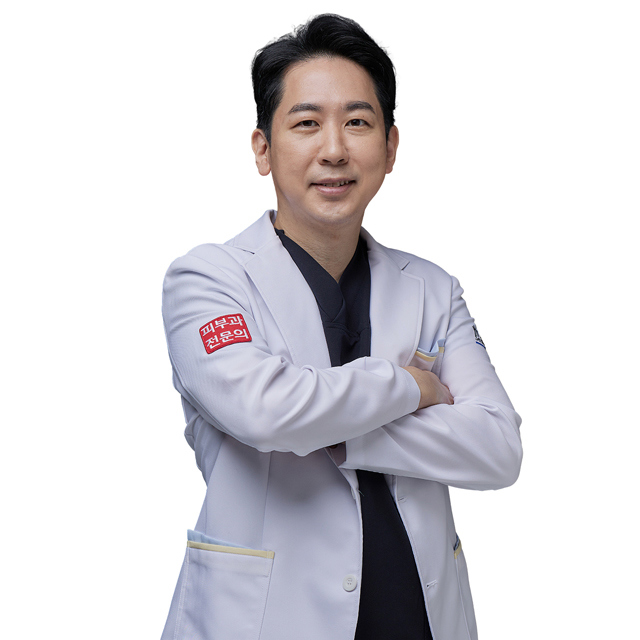
Dr. Lee Jung Hoon, Chief Director Board-certified Dermatologist Dr. Kim Sung Wook
Board-certified Dermatologist Dr. Choi Hang Seok
Board-certified Plastic Surgeon
Botulinum Toxin (Botox) Treatment sits under SeouLeaguer Dermatology's own specialty grouping, where candidacy assessment and injection planning are shared by the clinic's three specialists: Dr. Lee Jung Hoon (board-certified dermatologist, Chief Director, 24+ years of practice), Dr. Kim Sung Wook (board-certified dermatologist, 29+ years of experience, professor of dermatology at the Catholic University of Korea), and Dr. Choi Hang Seok (board-certified plastic surgeon, residency at Seoul St. Mary's Hospital, The Catholic University of Korea). Because correct botulinum-toxin dosing and placement depend directly on each patient's individual facial anatomy and muscle activity pattern, the treating physician assesses the relevant muscles both at rest and during movement before finalizing an injection plan, rather than applying one fixed pattern to every patient. For masseter treatment specifically, the clinic's inclusion of a board-certified plastic surgeon alongside its dermatologists is particularly relevant, since assessing whether a wide lower face is driven primarily by muscle, bone, fat or soft tissue benefits from surgical as well as dermatological perspective.
Botulinum Toxin (Botox) Treatment Options Available
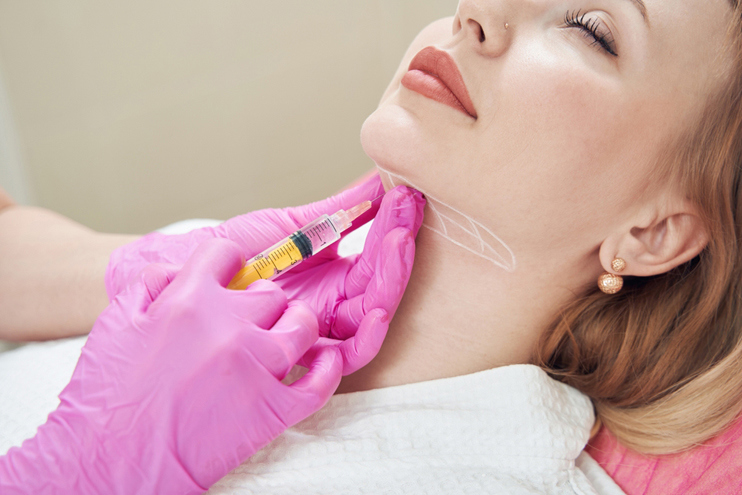
SeouLeaguer Dermatology offers two botulinum-toxin services under this specialty, addressing different concerns with the same underlying mechanism.
| Service | Typical focus | Mechanism detail |
|---|---|---|
| Botox Injections for Wrinkles | Forehead lines, glabellar/frown lines, crow's feet | Small injections into expression muscles to soften dynamic wrinkles |
| Jaw & Masseter Botox (Face Slimming) | Wide or square-looking lower face | Injections into the masseter (chewing) muscles to reduce bulk gradually |
**Botox Injections for Wrinkles.**This service targets the muscles responsible for expression lines — the forehead, the glabella between the brows, and the crow's-feet area beside the eyes. The physician assesses the wrinkle pattern at rest and during movement before planning injection points and dose.Jaw & Masseter Botox (Face Slimming). This service targets the masseter muscles used for chewing, which can become prominent or hypertrophied over years of use and contribute to a wide or square-looking lower face. Reducing their activity allows the muscle bulk to shrink gradually, producing a softer, more tapered jawline without surgery on the jawbone itself. Because the masseter is a functional muscle used every time a patient chews, this service also differs from wrinkle softening in that the physician must balance cosmetic goals against normal chewing function — the dose is calibrated to reduce bulk and bring down the muscle's resting tone without weakening chewing strength to an uncomfortable degree, which is part of why masseter treatment benefits from more individualized dose planning than a standard wrinkle-softening protocol.
Patients considering either service sometimes ask whether they can simply request a specific total unit count they have read about online. The clinic's physicians generally discourage this approach, since the appropriate dose depends on each patient's individual muscle mass, strength and the specific product being used — a dose appropriate for one patient's forehead or masseter may be insufficient or excessive for another's, and planning around a number seen online rather than an individual assessment is one of the more common sources of disappointing results in botulinum-toxin treatment generally.
Who Is a Good Candidate for Botulinum Toxin (Botox) Treatment?

- Adults with dynamic facial lines caused or worsened by muscle activity (forehead lines, frown lines, crow's feet) who want a non-surgical, minimally invasive option.
- Adults with prominent or enlarged masseter muscles contributing to a broad lower-face appearance, who have realistic expectations about a gradual, temporary result.
- Additional caution or medical assessment is needed for patients with neuromuscular disorders, swallowing or breathing problems, certain cardiovascular conditions, or those taking medicines that can potentiate neuromuscular effects.
- Not suitable during active infection or significant inflammation at the planned injection site, which should be addressed first.
- Pregnancy or breastfeeding should be discussed directly with the treating physician before proceeding with either service.
What to Expect: Procedure, Recovery, and Results Timeline
| Stage | What typically happens |
|---|---|
| Consultation | Assessment of facial movement, wrinkle pattern or masseter size, muscle strength, facial anatomy, asymmetry, medical history and medications. |
| Procedure | Cleansing and marking of injection points, then small injections at the planned sites; no anesthesia required. |
| Duration | Typically 10–20 minutes for either service. |
| Immediate aftermath | Temporary pain, redness, swelling, bruising or tenderness at injection sites is possible. |
| Recovery | Usually little to no formal downtime; patients generally resume normal activities immediately. |
| Early results | Wrinkle softening: begins in 3–7 days, full effect by about 2 weeks. Masseter slimming: develops gradually over several weeks as the muscle itself shrinks. |
| Longevity | Both services: approximately 3–6 months, varying by individual metabolism, dose and treatment area. |
Before either treatment, patients are asked about all prescription and over-the-counter medicines, vitamins and supplements, previous botulinum-toxin treatments, recent injected antibiotics, muscle relaxants, aspirin-like products or blood thinners, pregnancy or breastfeeding, neuromuscular conditions, and previous facial surgery or abnormal facial changes. Aftercare for both services centers on avoiding rubbing or pressing the treated area immediately afterward and following the clinic's specific activity instructions; difficulty swallowing, speaking or breathing after treatment requires prompt medical attention, though this is described as rare.
The two services differ noticeably in how quickly a patient can judge whether the treatment is working. For wrinkle softening, the muscle-activity reduction itself is essentially complete by around two weeks, so a patient can see close to the final cosmetic result relatively soon. For masseter slimming, the contour change reflects the muscle bulk itself shrinking from reduced use over an extended period, so the jawline's appearance continues to refine gradually over weeks even after the muscle's activity has already been substantially reduced. Patients are generally advised not to judge the masseter result at the two-week mark the way they might judge a wrinkle-softening result, since the two timelines are genuinely different processes rather than the same process at different speeds.
Both services' results fade as the body regenerates the nerve-muscle communication the toxin originally blocked, which is a biological process that happens at broadly similar rates across patients but still varies with individual metabolism, the specific product used, the dose given and the muscle treated. Patients who want to sustain either result typically return for repeat treatment roughly every 3–6 months, though the clinic does not apply a single fixed interval to every patient — some patients' wrinkle softening fades sooner and some patients' masseter slimming holds for longer than average, so the physician generally recommends scheduling the next visit based on how the current treatment is actually wearing off rather than a calendar reminder alone. With repeated masseter treatment over multiple sessions and years, some patients report that the muscle bulk reduction itself becomes somewhat more durable between sessions, though this varies and is not promised as an outcome.
Combining Botulinum Toxin (Botox) Treatment with Other Treatments

- Botox Injections for Wrinkles may be combined with dermal fillers when a patient has both muscle-driven lines and volume loss, since the two injectables address different causes of facial aging.
- Masseter Botox is sometimes discussed alongside other facial-contouring options when a patient's lower-face width involves bone, fat or soft tissue in addition to muscle.
- Energy-based lifting or skin-quality treatments elsewhere at the clinic may be layered in when a patient's concerns extend beyond what botulinum toxin addresses on its own.
- Any combination is planned individually by the treating physician based on anatomy, goals and appropriate spacing between treatments — it is not offered as a fixed package.
- Patients combining botulinum toxin with an energy-based or injectable treatment in the same visit are generally sequenced so that the physician can assess each treatment's early effect separately, rather than treating multiple areas simultaneously in a way that could make it harder to judge which treatment produced which result.
- International patients who want to combine several treatments during one trip to Seoul are encouraged to raise this during the initial consultation, so that a sensible order and appropriate spacing between procedures can be built into the visit from the outset rather than decided on the day.
Safety, Precision, and Clinic Standards
SeouLeaguer Dermatology is a Registered Medical Institution for Attracting Foreign Patients, certified by Korea's Ministry of Health and Welfare under the Act on Support for Overseas Expansion of Medical Services and Attraction of International Patients (Foreign Patient Attraction Registration No. M-2020-01-58584). Botulinum Toxin (Botox) Treatment is generally well tolerated, but risks can include temporary pain, redness, swelling, bruising, headache or tenderness at the injection sites. Depending on the treatment area, temporary muscle weakness, asymmetry, drooping of the eyelid or eyebrow, chewing fatigue, or an unwanted change in facial expression or contour can occur. Rarely, the toxin can spread beyond the intended area and cause more widespread muscle weakness or difficulty swallowing, speaking or breathing — a risk the clinic's physicians specifically plan injection points and dose to minimize.
Because correct dosing and injection placement depend directly on individual facial anatomy and muscle activity, the clinic's physicians assess each patient's specific pattern before treatment rather than applying a single standard dose to every patient. The treating physicians review neuromuscular disorders, swallowing or breathing problems, cardiovascular conditions, relevant medications, pregnancy and breastfeeding status before proceeding, and will decline or postpone treatment where a contraindication applies.
Patients are also encouraged to disclose any history of unusual reactions to previous botulinum-toxin treatments, whether performed at this clinic or elsewhere, since prior response can inform both dosing and injection pattern for a subsequent treatment. Because different botulinum-toxin products on the market are not interchangeable on a unit-for-unit basis, patients who have been treated at another clinic are asked, where possible, to share which specific product and approximate dose they received, so the treating physician can plan this visit's dose with that history in mind rather than assuming equivalence across brands.
Patients traveling from abroad specifically for Jaw & Masseter Botox should understand that the full slimming effect will not be visible by the time most international trips to Seoul end, since the muscle reduction continues to develop for weeks after the injection itself. The clinic generally recommends that these patients view the in-person visit as the start of a process to be assessed later via photos or a follow-up consultation, rather than expecting to see the finished result before departing.
The Bottom Line
- Botulinum Toxin (Botox) Treatment temporarily reduces muscle activity to soften dynamic wrinkles or slim a prominent masseter-driven jawline.
- SeouLeaguer Dermatology offers two distinct applications — wrinkle softening and masseter slimming — sharing one underlying mechanism.
- Results develop over days (wrinkles) to weeks (jaw slimming) and last approximately 3–6 months for either service.
- Recovery is minimal, with most patients returning to normal activities immediately.
- Candidacy, dosing and injection planning are individualized by the clinic's dermatologists and plastic surgeon.
Frequently Asked Questions
**Is Botox treatment painful?**Injections usually cause only brief, mild discomfort or a pinching sensation; anesthesia is not required for either service.**How long does treatment take?**Typically 10–20 minutes, depending on the number of injection points and the specific service.**How many days should I stay in Korea?**For routine Botulinum Toxin (Botox) Treatment, 1–2 days in Korea is generally sufficient because there is usually no formal downtime.**When will I see results?**Wrinkle softening begins in 3–7 days with full effect around 2 weeks; masseter slimming develops gradually over several weeks as the muscle itself reduces in size.**How long do results last?**Approximately 3–6 months for either service, varying by individual metabolism, dose and treatment area.**What should I tell the clinic before treatment?**Disclose all medications and supplements, previous botulinum-toxin treatments, neuromuscular conditions, pregnancy or breastfeeding status, and any recent facial procedures.Can Botox be combined with other treatments? Yes, when clinically appropriate — commonly with dermal fillers for volume loss, or with other facial treatments — planned individually at consultation.
Book a Consultation at SeouLeaguer Dermatology
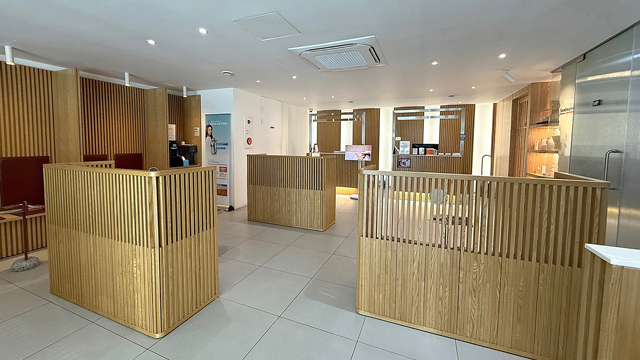
To find out whether Botox Injections for Wrinkles or Jaw & Masseter Botox fits your goals, book a consultation with SeouLeaguer Dermatology's dermatology and plastic surgery team in Gangnam, Seoul.
Disclaimer
This page is for general informational purposes only and does not constitute medical advice. Individual results vary, and a qualified physician should assess your suitability for any treatment described here before proceeding.
Sources & Further Reading
Related Services
Procedures available within our clinical departments.

Botox Injections for Wrinkles
Botox Injections for Wrinkles target the specific facial muscles whose repeated contraction, over years of expression, creates dynamic wrinkles.
Learn More

Oxygen Detox Care
Oxygen Detox Care is a non-invasive skin-care treatment designed to refresh and hydrate the skin using an oxygen-focused care method.
Learn More
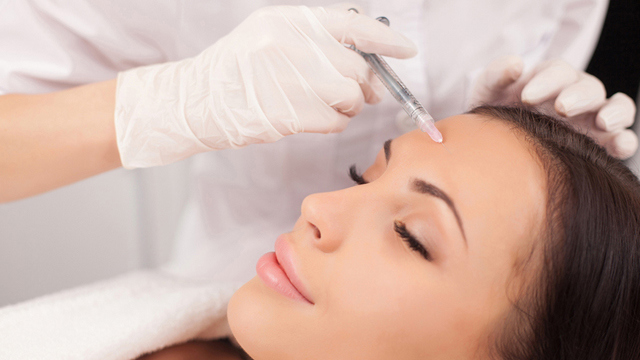
Hyaluronic Acid Filler
Hyaluronic Acid Filler restores facial volume, smooths lines and folds, and enhances facial contours through minimally invasive injections.
Learn More