Personalized Medical Care & Dedicated International Patient Concierge


Botulinum Toxin (Botox) Treatment · Needs Clinic Confirmation
Botox Injections for Wrinkles
Botox Injections for Wrinkles target the specific facial muscles whose repeated contraction, over years of expression, creates dynamic wrinkles.
Schedule a ConsultationBotox Injections for Wrinkles

Medically reviewed by Dr. Lee Jung Hoon, Dr. Kim Sung Wook (board-certified dermatologists) and Dr. Choi Hang Seok (board-certified plastic surgeon), SeouLeaguer Dermatology, Seoul
Botox injections use botulinum toxin to temporarily reduce muscle activity that contributes to dynamic wrinkles, commonly treating forehead lines, glabellar/frown lines and crow's feet depending on the product and the patient's facial pattern.
What Is Botox Injections for Wrinkles?
Botox Injections for Wrinkles target the specific facial muscles whose repeated contraction, over years of expression, creates dynamic wrinkles — lines that appear only when the face moves rather than lines already etched into resting skin. A fine needle delivers small amounts of botulinum toxin into these muscles, temporarily reducing the nerve signal that drives their contraction. With less muscle pull on the overlying skin, the wrinkle softens or disappears while the muscle is quieted, without surgery or incisions.
The three areas most commonly treated under this service — the forehead, the glabella between the brows, and the crow's-feet area beside the eyes — are each driven by a different set of underlying muscles, and a patient may have a pronounced pattern in one area while having very little movement-driven wrinkling in another. For this reason, the treatment is rarely described as a single fixed injection pattern; rather, the physician maps which of these three zones is actually contributing to a given patient's visible lines before deciding which zones to treat, and in what proportion, during that particular visit. Some patients choose to treat all three zones together, while others focus on just one or two areas that bother them most, and either approach is considered a reasonable, individualized choice rather than an incomplete treatment.
- Mechanism: botulinum toxin injected into expression muscles, temporarily reducing the muscle activity responsible for dynamic wrinkles.
- Commonly addresses forehead lines, glabellar/frown lines and crow's feet, individually or in combination depending on the patient's wrinkle pattern.
- Anesthesia is not normally required; a topical numbing cream may be used when appropriate for sensitive patients.
- Does not remove wrinkles permanently and does not correct static wrinkles already etched into resting skin or other forms of skin aging unrelated to muscle movement.
How Botox Injections for Wrinkles Compares to Other Options in This Specialty
Within this specialty, Botox Injections for Wrinkles is distinguished from the clinic's other service, Jaw & Masseter Botox, by both target and goal: this service softens expression lines on the upper and mid-face, while masseter treatment slims a wide lower face by reducing a functional chewing muscle's bulk. Outside this specialty, alternatives depend on the type of wrinkle being addressed: dermal fillers can address volume loss or certain static lines that botulinum toxin does not affect, radiofrequency or ultrasound-based treatments target skin tightening rather than directly reducing muscle movement, and laser treatments may improve skin texture or pigmentation rather than muscle-driven lines. More invasive surgical procedures are considered for significant aging changes that injectable treatments are not designed to address, and the physician's recommendation between these categories depends chiefly on whether a patient's primary concern is genuinely driven by muscle movement or by some other mechanism entirely.
Who Performs Botox Injections for Wrinkles at SeouLeaguer Dermatology
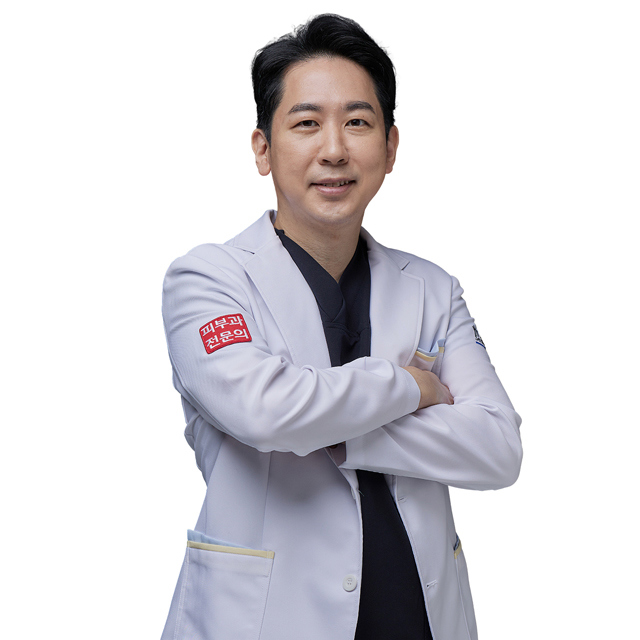
Dr. Lee Jung Hoon, Chief Director Board-certified Dermatologist Dr. Kim Sung Wook
Board-certified Dermatologist Dr. Choi Hang Seok
Board-certified Plastic Surgeon
Botox Injections for Wrinkles sits under SeouLeaguer Dermatology's Botulinum Toxin (Botox) Treatment specialty, where candidacy assessment and injection planning are shared by the clinic's three specialists: Dr. Lee Jung Hoon (board-certified dermatologist, Chief Director, 24+ years of practice), Dr. Kim Sung Wook (board-certified dermatologist, 29+ years of experience, professor of dermatology at the Catholic University of Korea), and Dr. Choi Hang Seok (board-certified plastic surgeon, residency at Seoul St. Mary's Hospital, The Catholic University of Korea). The treating physician assesses the wrinkles at rest and during facial movement, evaluates muscle activity and facial anatomy, and individualizes the treatment area and dose before proceeding — proper knowledge of facial anatomy is specifically important for safe administration in this treatment.
Who Is a Good Candidate for Botox Injections for Wrinkles?
- Adults with dynamic facial wrinkles caused partly by muscle activity, such as forehead lines, frown lines or crow's feet.
- A consultation is needed to determine whether botulinum toxin is appropriate for the specific wrinkle pattern a patient presents with.
- Patients with infection or significant inflammation at the planned injection site should generally postpone treatment until the skin has recovered.
- People with certain neuromuscular disorders, previous serious reactions to botulinum toxin, or relevant medication interactions require medical assessment before proceeding.
- Pregnancy or breastfeeding should be discussed directly with the treating clinician before scheduling treatment.
What to Expect: Procedure, Recovery, and Results Timeline

The clinician assesses the wrinkles at rest and during facial movement, evaluates muscle activity and facial anatomy, discusses treatment goals, and determines whether Botox is the appropriate option before individualizing the treatment area and dose. General anesthesia is not normally required for this procedure; a topical numbing cream may be used when appropriate for patients who are particularly sensitive to injections. The treatment itself uses a sterile syringe and fine injection needle to administer a prepared botulinum-toxin product into selected muscles, and because different botulinum-toxin products are not interchangeable on a unit-for-unit basis, the physician's choice of product and dose reflects both the treatment area and the patient's individual anatomy.
Temporary injection-site pain, redness, swelling or bruising can occur after treatment. Depending on the treatment area, temporary headache, eyelid or brow drooping, or unwanted muscle weakness can occur, and rare but serious effects can include spread of the toxin's effect causing swallowing or breathing difficulties. There is generally little downtime, and patients can usually return to normal activities quickly, although temporary redness, tenderness or bruising may occur in the hours and days following treatment. Before treatment, patients should tell the clinician about medical conditions, neuromuscular disorders, allergies, medications or supplements, previous botulinum-toxin treatments, recent facial procedures, and pregnancy or breastfeeding status.
Effects generally begin after 2–3 days and peak around 1–2 weeks, at which point the cosmetic result is close to its final appearance. Results may last approximately 3–6 months, depending on the treatment area and individual factors such as metabolism and muscle strength. Aftercare generally involves avoiding treatment over an active infection or significant skin irritation at the injection sites, telling the clinician about recent cosmetic procedures and all medications or supplements taken, and not stopping any prescribed medication without medical advice. A session commonly takes approximately 10–20 minutes, performed as an outpatient procedure without an extended stay at the clinic.
First-time patients sometimes worry that their face will look unnaturally frozen or expressionless after treatment. The clinic's physicians generally address this directly at consultation: a conservative, well-placed dose is intended to soften the repeated folding of skin that creates a wrinkle, not to eliminate all facial movement, and most patients retain a natural range of expression in the treated area while the targeted lines themselves appear smoother. Patients who are specifically concerned about this are encouraged to discuss a more conservative starting dose with their physician, with the option to add a touch-up at a follow-up visit if a stronger effect is desired, rather than starting with a higher dose that is harder to adjust downward once given.
Longevity and Maintenance
Results fade gradually as the body regenerates the nerve-muscle communication the toxin temporarily interrupted, rather than ending abruptly on a fixed date. Longevity commonly falls in the 3–6 month range but varies by treatment area, dose, individual metabolism and muscle strength — patients with stronger expression muscles sometimes notice the effect wearing off somewhat sooner than patients with milder muscle activity. Patients interested in sustaining their result are generally advised to book a follow-up visit once they notice movement returning in the treated area, rather than waiting until the wrinkle has fully reappeared, since treating slightly earlier can help maintain a more continuously smooth appearance over time.
Many patients who return for repeat treatment over several years describe a gradual training effect, where the treated muscles seem to require slightly less effort to keep soft between sessions, possibly because the skin has had extended periods without the repeated folding that originally created the wrinkle. This is described anecdotally rather than guaranteed, and results still depend on the same factors — area, dose, metabolism and muscle strength — at every subsequent visit. Patients should also expect that normal skin aging continues during the months between treatments, so a repeat Botox session addresses the muscle-driven component of a patient's lines specifically, rather than reversing the broader aging process in the treated area.
Combining Botox Injections for Wrinkles with Other Treatments
Combination planning for Botox Injections for Wrinkles is handled individually by the treating physician. Botox may be combined with other aesthetic treatments when clinically appropriate, such as dermal fillers for volume loss, laser or energy-based skin treatments for texture or tightening concerns, or other procedures addressing different aspects of facial aging. The combination should be individualized based on which concerns are muscle-driven versus volume- or texture-driven, since botulinum toxin specifically addresses the former.
Safety, Precision, and Clinic Standards

SeouLeaguer Dermatology is a Registered Medical Institution for Attracting Foreign Patients, certified by Korea's Ministry of Health and Welfare under the Act on Support for Overseas Expansion of Medical Services and Attraction of International Patients (Foreign Patient Attraction Registration No. M-2020-01-58584). Botox Injections for Wrinkles is generally well tolerated, but risks can include temporary injection-site pain, redness, swelling or bruising, and depending on the treatment area, temporary headache, eyelid or brow drooping, or unwanted muscle weakness. Rare but serious effects can include spread of the toxin's effect causing swallowing or breathing difficulties, which is why proper knowledge of facial anatomy and conservative, individualized dosing are specifically emphasized for this treatment.
The clinic's physicians review medical conditions, neuromuscular disorders, allergies, medications or supplements, previous botulinum-toxin treatments, recent facial procedures, and pregnancy or breastfeeding status before treatment, and will decline or postpone treatment where a contraindication applies. Patients are encouraged to disclose their full wrinkle-treatment history, including products used elsewhere, so that dosing at this visit reflects an accurate picture of prior treatment rather than being planned in isolation.
Patients traveling specifically for this treatment are also encouraged to ask about the specific botulinum-toxin product being used at consultation, since several formulations exist in the Korean market with differing characteristics, and knowing which one was used can be useful information to carry into any future treatment at another clinic, whether in Korea or at home.
The Bottom Line
In short, Botox Injections for Wrinkles suits patients with dynamic, expression-driven facial lines who want a quick, minimally invasive treatment with little downtime, understanding that it does not address static wrinkles or other causes of facial aging. The procedure's appeal lies specifically in its reversibility and short visit time, making it a comparatively low-commitment option for patients new to injectable treatments.
- Botox Injections for Wrinkles temporarily reduces muscle activity responsible for dynamic facial lines.
- The procedure takes approximately 10–20 minutes with little to no downtime.
- Effects begin within days and peak around 1–2 weeks, lasting approximately 3–6 months.
- It does not address static wrinkles, volume loss, or other non-muscular causes of visible facial aging.
- Candidacy, dose and injection pattern are determined individually by the clinic's dermatologists and plastic surgeon together.
Frequently Asked Questions
**Is Botox painful?**A fine needle is used, so patients may feel brief pinching or stinging at each injection point; discomfort is usually manageable without anesthesia.**How long does treatment take?**Approximately 10–20 minutes, performed as an outpatient procedure without an extended stay at the clinic.**How many days should I stay in Korea?**Because Botox injections themselves take only a few minutes and involve no downtime, most patients do not need to plan their Korea stay around the injection appointment itself; the length of the trip is instead driven by how many consultation and follow-up visits the treating dermatologist recommends for a given patient.**When will I see results?**Effects generally begin after 2–3 days and peak around 1–2 weeks, at which point the result is close to its final, settled appearance.**How long do results last?**Results may last approximately 3–6 months, depending on the treatment area, dose and individual factors such as metabolism and muscle strength.**Who should avoid this treatment?**Patients with active infection or significant inflammation at the injection site, certain neuromuscular disorders, or relevant medication interactions require medical assessment; pregnancy or breastfeeding status should always be discussed directly with the clinician.Can this be combined with other treatments? Yes, when clinically appropriate — commonly with dermal fillers for volume loss or other aesthetic treatments addressing different causes of facial aging, planned individually at consultation with the treating physician.
Book a Consultation at SeouLeaguer Dermatology
To find out whether Botox Injections for Wrinkles fits your facial pattern and goals, book a consultation with SeouLeaguer Dermatology's dermatology and plastic surgery team in Gangnam, Seoul to discuss your treatment options.
Disclaimer
This page is for general informational purposes only and does not constitute medical advice. Individual results vary, and a qualified physician should assess your suitability for any treatment described here before proceeding.
Sources & Further Reading
Other Services
Explore additional treatments offered by our specialists.
Botox Injections for Wrinkles
Botox Injections for Wrinkles target the specific facial muscles whose repeated contraction, over years of expression, creates dynamic wrinkles.
Learn More
Oxygen Detox Care
Oxygen Detox Care is a non-invasive skin-care treatment designed to refresh and hydrate the skin using an oxygen-focused care method.
Learn More
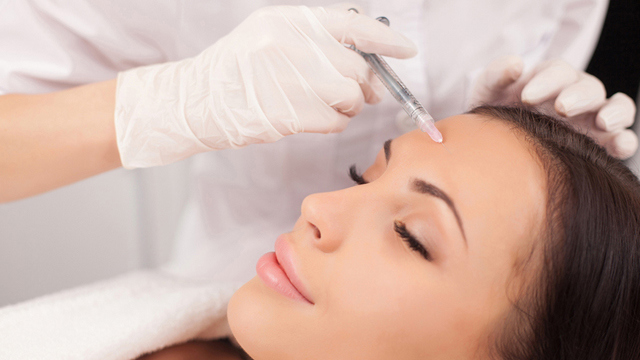
Hyaluronic Acid Filler
Hyaluronic Acid Filler restores facial volume, smooths lines and folds, and enhances facial contours through minimally invasive injections.
Learn More