Personalized Medical Care & Dedicated International Patient Concierge


Non-Surgical Facial Lifting & Skin Tightening · Needs Clinic Confirmation
Titanium Lifting (Triple-Wavelength Laser Treatment)
Titanium Lifting uses three laser wavelengths to deliver controlled heat at different tissue depths, helping improve skin firmness and facial contours without surgery.
Schedule a ConsultationTitanium Lifting (Triple-Wavelength Laser Treatment)

Medically reviewed by Dr. Lee Jung Hoon, Dr. Kim Sung Wook (board-certified dermatologists) and Dr. Choi Hang Seok (board-certified plastic surgeon), SeouLeaguer Dermatology, Seoul
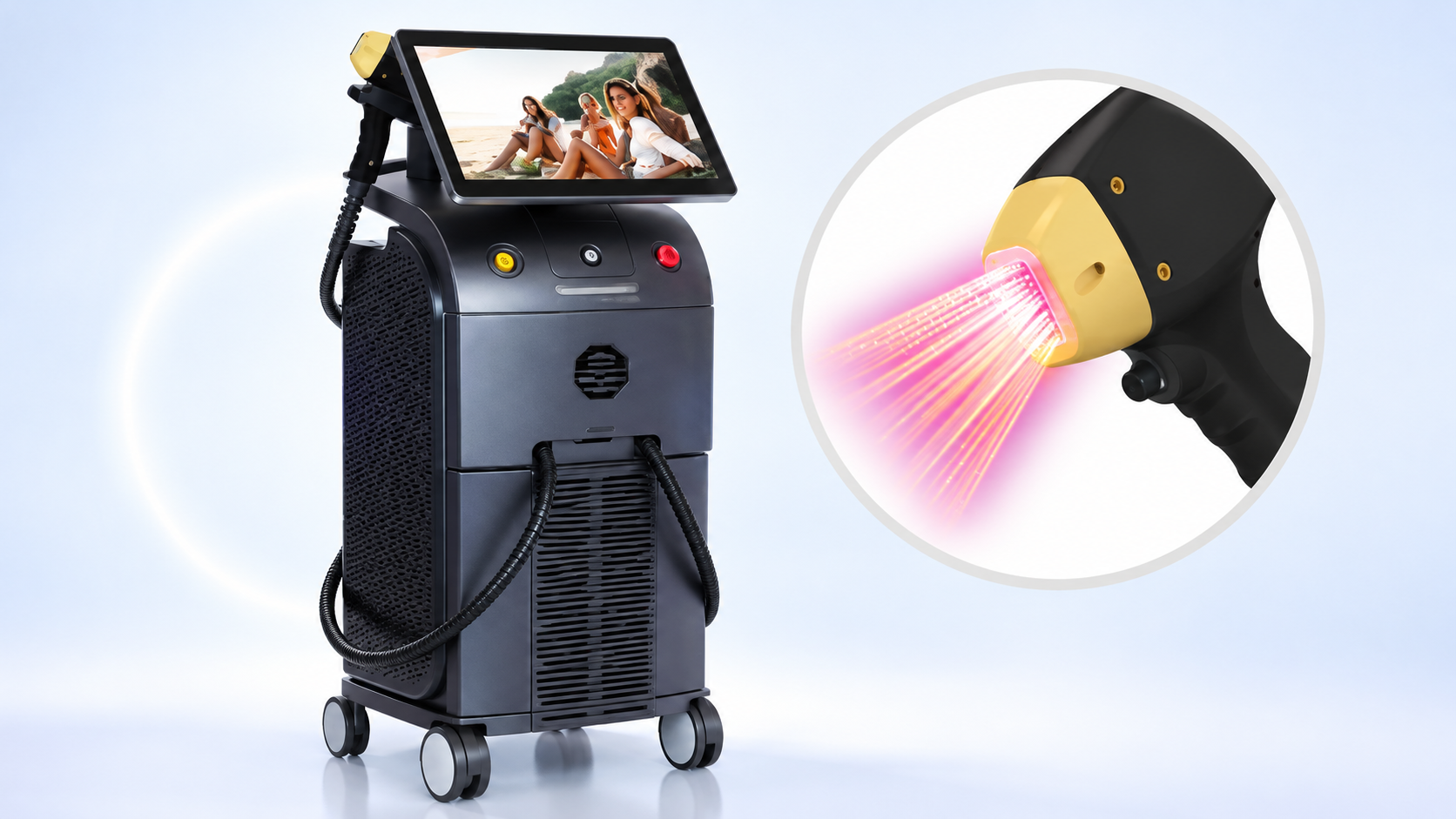
Titanium Lifting is a non-surgical, laser-based aesthetic treatment commonly performed using the Soprano Titanium platform, which simultaneously applies 755 nm, 810 nm and 1064 nm wavelengths to deliver controlled thermal energy at different tissue depths.
What Is Titanium Lifting?
Titanium Lifting combines three laser wavelengths — 755 nm, 810 nm and 1064 nm — in one applicator, with the platform's technology associated with triple-wavelength diode laser delivery and contact cooling for patient comfort. Within SeouLeaguer Dermatology's wider lifting specialty, Titanium Lifting is positioned for early laxity, reduced firmness and mild contour changes, along with an overall improvement in skin tone and brightness that some of the clinic's other technologies do not specifically target in the same way.
- Energy type: triple-wavelength (755/810/1064 nm) laser, delivered with contact cooling.
- Positioned for early-stage facial laxity and dull-looking skin rather than more advanced sagging.
- Performed without general anesthesia; a session runs roughly 15–40 minutes depending on the treatment area and protocol.
- International patients often choose Titanium Lifting specifically for its relatively short treatment time and low-downtime profile, which suits a compact travel schedule.
How Titanium Lifting Compares to Other Options in This Specialty
Alternatives within this specialty include HIFU/MFU treatments such as Shurink Universe or Ultherapy PRIME®, RF tightening such as Thermage FLX® or Oligio, and surgical lifting for more advanced laxity. Titanium Lifting is a laser-based treatment, whereas HIFU uses focused ultrasound and RF treatments use radiofrequency energy — the choice between them depends on the patient's laxity pattern, anatomy, skin quality and desired result, which the clinic's physicians assess directly rather than presenting Titanium Lifting as interchangeable with the ultrasound- or RF-based options.
Who Performs Titanium Lifting at SeouLeaguer Dermatology
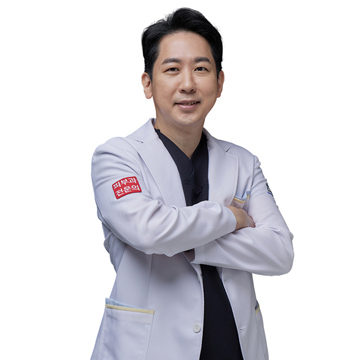
Dr. Lee Jung Hoon
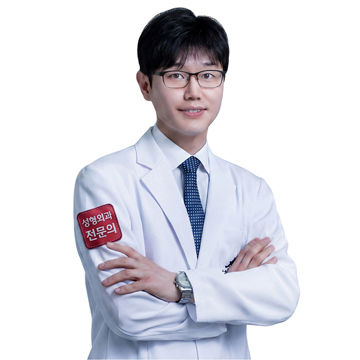
Dr. Choi Hang Seok

Dr. Kim Sung Wook
Titanium Lifting sits under SeouLeaguer Dermatology's Non-Surgical Facial Lifting & Skin Tightening specialty, where candidacy assessment and treatment planning are shared by the clinic's three specialists: Dr. Lee Jung Hoon (board-certified dermatologist, Chief Director, 24+ years of practice), Dr. Kim Sung Wook (board-certified dermatologist, 29+ years of experience, professor of dermatology at the Catholic University of Korea), and Dr. Choi Hang Seok (board-certified plastic surgeon, residency at Seoul St. Mary's Hospital, The Catholic University of Korea). The Content Plan's doctor mapping for this specialty covers all of its services, including Titanium Lifting, rather than naming one physician for this treatment specifically. The clinic states that treatment area, energy delivery and treatment mode are selected based on the consultation's assessment of skin laxity, facial contour, skin tone, sensitivity, treatment history and the patient's desired outcome.
Who Is a Good Candidate for Titanium Lifting?
- Adults with mild skin laxity, reduced firmness, early facial sagging, less-defined contours or concerns about overall skin appearance who prefer a non-surgical treatment.
- Patients whose goals include an improvement in skin tone or brightness alongside tightening, which Titanium Lifting's laser-based approach is specifically positioned to address.
- Not suitable during an active skin infection, open wound, significant irritation, or where another condition makes laser treatment inappropriate — these should be assessed and addressed first.
- Patients with specific pigmentation or sensitivity concerns may require individualized settings or an alternative treatment, decided at consultation.
- Patients with more advanced laxity who want a stronger tightening effect than this treatment is designed to provide are typically guided toward a different technology, such as Ultherapy PRIME® or Thermage FLX®, or a conversation about surgical options with Dr. Choi.
What to Expect: Procedure, Recovery, and Results Timeline
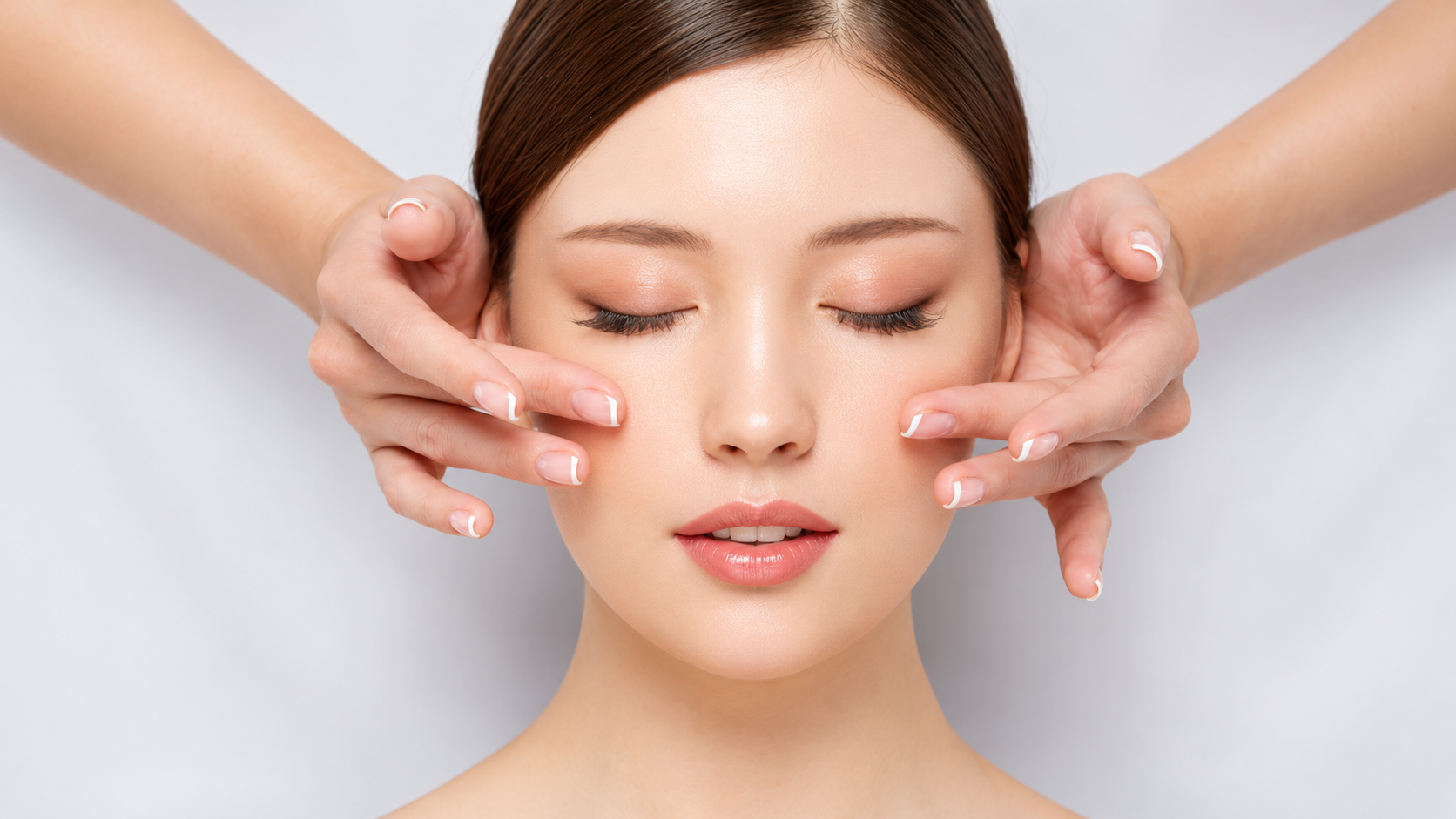
Consultation assesses skin laxity, facial contour, skin tone, sensitivity, treatment history and the patient's desired outcome, after which the clinician determines the appropriate treatment area, energy delivery and treatment mode. Sessions run approximately 15–30 minutes to around 20–40 minutes depending on the area and protocol selected, using the Soprano Titanium platform's combined 755/810/1064 nm wavelengths with contact cooling.
Titanium Lifting is generally promoted as a low-downtime treatment: patients may usually return to routine activities shortly after treatment, although temporary redness, warmth or sensitivity can occur and recovery varies with treatment intensity and individual response. Possible side effects include temporary redness, swelling, warmth, tenderness or sensitivity in the treated area, and temporary pigmentation changes or irritation may also occur in some patients. Before treatment, the clinician assesses the skin and treatment area and reviews previous procedures, skin sensitivity and relevant medical history; patients should tell the clinic about active skin problems and recent aesthetic treatments. Afterward, general post-treatment care includes gentle skincare, adequate moisturization and sun protection, with patients advised to avoid irritating treatments or excessive heat if instructed by the clinic.
Some patients notice an early tightening effect, while further improvement in firmness, contour definition and skin tone can develop gradually over about 1–3 months. Maintenance is generally discussed as needed, as advised by the treating doctor, rather than scheduled automatically for every patient.
Longevity and Maintenance
Patients sometimes come across marketing claims online describing laser skin-tightening treatments, including Titanium Lifting, as producing facelift-equivalent results. This is not an accurate comparison: Titanium Lifting is a non-surgical, energy-based treatment intended for early-stage laxity and skin tone, and it does not remove excess skin or surgically reposition tissue the way a facelift does. Patients whose primary concern genuinely requires surgical correction are better served by an honest conversation about that option, which the presence of a board-certified plastic surgeon on SeouLeaguer Dermatology's team makes possible within the same consultation.
As with the rest of this specialty, Titanium Lifting's improvement is not permanent — it depends on an ongoing collagen response that gradually fades as normal skin aging continues. Patients who want to sustain their result are generally advised to discuss maintenance timing with their physician, since the clinic does not apply one fixed maintenance schedule to every patient. Because Titanium Lifting also addresses skin tone and brightness, some patients choose to repeat it specifically for that cosmetic benefit even after the tightening effect has faded, while others move on to a different technology in the specialty if their primary concern has shifted toward firmer tightening.
SeouLeaguer Dermatology positions Titanium Lifting as a dual-purpose option within its broader specialty: patients whose main complaint is dull, uneven-looking skin alongside only mild laxity are often better served by a treatment that addresses both at once, rather than pairing a pure tightening technology with a separate skin-tone treatment booked on a different day. This is one reason the clinic's physicians ask about a patient's full set of concerns — not just "sagging" or "wrinkles" in isolation — before recommending a specific technology from the thirteen available in this specialty, since a treatment chosen for tightening alone might leave a tone-related concern unaddressed, and vice versa.
Because Titanium Lifting uses three separate wavelengths within one applicator, the physician can also decide, based on the consultation, to prioritize different wavelengths or passes depending on which concern — tightening, tone or a combination — matters most to the individual patient that day. This flexibility is part of why the treatment protocol is not identical for every booking, even though the underlying device and its cleared wavelengths stay the same.
Combining Titanium Lifting with Other Treatments
Titanium Lifting may be combined with other aesthetic procedures depending on the patient's concerns and treatment plan. Potential combinations can include skin-quality treatments, injectables or other energy-based treatments offered elsewhere in the clinic's service list, planned individually by the treating physician rather than as a standard package.
Safety, Precision, and Clinic Standards
SeouLeaguer Dermatology is a Registered Medical Institution for Attracting Foreign Patients, certified by Korea's Ministry of Health and Welfare under the Act on Support for Overseas Expansion of Medical Services and Attraction of International Patients (Foreign Patient Attraction Registration No. M-2020-01-58584). Multi-wavelength diode laser systems of the general type used in Titanium Lifting belong to a device category reviewed in peer-reviewed comparative literature on noninvasive skin-tightening technologies; patients should ask their clinic which specific device model and indication applies in their market. Possible risks include temporary redness, swelling, warmth, tenderness, sensitivity and, less commonly, pigmentation changes or irritation, particularly in patients with specific skin sensitivity who have not had settings individualized to their skin type.
Because laser-based treatments carry a specific risk of pigmentation change if settings are not matched correctly to a patient's natural skin tone, the clinic's consultation step pays particular attention to this before Titanium Lifting is scheduled — this is a different risk profile from the clinic's RF- or ultrasound-based technologies, and the physicians treat it accordingly rather than applying one generic pre-treatment checklist to every energy-based service in the specialty. Patients with a history of abnormal pigmentation response to sun exposure, laser treatments or skin injury elsewhere on the body are specifically asked to disclose this, since it directly affects how the physician sets the treatment's energy levels.
The clinic's physicians review previous procedures, skin sensitivity, relevant medical history and active skin problems before treatment, adjusting settings — or recommending an alternative treatment — where a patient's pigmentation or sensitivity profile calls for it. As with the rest of this specialty, Titanium Lifting is not described as equivalent to a surgical facelift, and patients are given a realistic picture of what gradual, non-surgical tightening and tone improvement can and cannot achieve before they commit to treatment.
Patients traveling specifically for Titanium Lifting should keep in mind that, like the clinic's other energy-based treatments, the fullest result is not visible on the treatment day itself. Scheduling the session early enough in a Seoul trip to allow a short follow-up check before departure is one practical way the clinic and the patient can confirm the skin's initial response, even though the complete 1–3 month improvement curve will continue after the patient has returned home. For patients unable to attend an in-person follow-up before leaving Korea, the clinic may ask for photographs taken at intervals over the following weeks so the treating physician can track progress remotely and advise on whether a repeat session or a different technology would be worth considering at a later date.
The Bottom Line
In short, Titanium Lifting suits patients with early laxity who also want an improvement in skin tone and brightness, delivered through a relatively short, low-downtime laser session rather than ultrasound or radiofrequency energy.
- Titanium Lifting combines three laser wavelengths (755/810/1064 nm) with contact cooling in one applicator.
- Sessions run approximately 15–40 minutes and are generally low-downtime.
- It addresses both tightening and overall skin tone, unlike some of the clinic's other RF- or ultrasound-based options.
- Results build gradually over about 1–3 months, with maintenance discussed individually.
- Candidacy and settings are determined by the clinic's dermatologists and plastic surgeon together, with particular attention to pigmentation and sensitivity.
Frequently Asked Questions
**What makes Titanium Lifting different from the clinic's ultrasound and RF options?**It uses laser energy across three wavelengths rather than focused ultrasound or radiofrequency, and it is specifically positioned to improve skin tone and brightness alongside tightening, which is not the primary focus of Ultherapy PRIME®, Thermage FLX® or Oligio.**Is Titanium Lifting painful?**The system's contact cooling is designed to improve comfort; most patients describe warmth or mild sensitivity rather than significant pain, and the treatment does not require anesthesia.**How much downtime should I expect?**Titanium Lifting is generally promoted as low-downtime, with most patients returning to routine activities shortly afterward, though temporary redness or sensitivity can occur.**When will I see results?**Some patients notice an early tightening effect, with fuller improvement in firmness, contour and tone developing gradually over about 1–3 months.**Who should be cautious about Titanium Lifting specifically?**Patients with specific pigmentation concerns or heightened skin sensitivity may need individualized settings or a different treatment altogether — this is assessed at consultation rather than assumed from a general description.**Can Titanium Lifting be combined with other treatments?**Yes, depending on the patient's goals — for example alongside skin-quality treatments or injectables — planned individually by the treating physician.**How many days should I plan to stay in Seoul for Titanium Lifting?**Given its short session length and generally low downtime, 1–2 days in Seoul is typically sufficient for the visit and a short follow-up, though this can be extended if combining treatments.**Should I book Titanium Lifting for tone, tightening, or both?**That depends on which concern matters most to you and what the consultation finds about your skin. Because the treatment addresses both to some degree, the physician will discuss which wavelengths or passes to emphasize for your specific goals rather than assuming one default protocol fits everyone.**Will Titanium Lifting help with pigmentation as well as tone?**Titanium Lifting is positioned for overall tone and brightness rather than targeted pigmentation correction; patients whose main concern is specific dark spots or melasma are typically guided toward the clinic's dedicated pigmentation and laser treatments instead, such as Pico Laser or V-Beam Laser.Is there a minimum age or skin type restriction for Titanium Lifting? Suitability is assessed individually based on skin sensitivity, pigmentation and medical history rather than a fixed age or skin-type rule, which is why the pre-treatment consultation specifically reviews these factors before any session is scheduled.
Because Titanium Lifting is one of thirteen technologies in the clinic's lifting specialty, patients are encouraged to ask at consultation how it specifically compares with alternatives such as Thermage FLX®, Oligio or Ultherapy PRIME® for their own combination of laxity and tone concerns before deciding which to book.
Book a Consultation at SeouLeaguer Dermatology
To find out whether Titanium Lifting or a different laser, RF or ultrasound-based technology fits your skin and goals, book a consultation with SeouLeaguer Dermatology's dermatology and plastic surgery team in Gangnam, Seoul.
The timelines, risk descriptions and recovery expectations above reflect typical cases reported for this treatment category at this specialty and should not be read as a guarantee of any specific patient's result, downtime or number of sessions needed to reach their goal.
Disclaimer
This page is for general informational purposes only and does not constitute medical advice. Individual results vary, and a qualified physician should assess your suitability for any treatment described here before proceeding.
Sources & Further Reading
Other Services
Explore additional treatments offered by our specialists.

Pico Fraxel
Pico Fraxel is a fractional laser treatment that delivers controlled laser energy to the skin to improve enlarged pores, uneven skin texture, acne-scar appearance, pigmentation, and overall skin quality.
Learn More
ONDA Lifting (Microwave Facial Contouring)
ONDA Lifting uses targeted microwave energy to improve skin firmness and contours through personalized treatment settings.
Learn More
CO2 Laser
CO2 laser treatment uses carbon dioxide laser energy to precisely remove or heat targeted layers of the skin.
Learn More