Personalized Medical Care & Dedicated International Patient Concierge


Hair Loss Treatment · Needs Clinic Confirmation
PRP Hair Restoration
Platelet-Rich Plasma (PRP) is prepared by drawing a small sample of the patient’s blood and processing it to separate platelet-rich plasma from other blood components.
Schedule a ConsultationPRP Hair Restoration

Medically reviewed by Dr. Lee Jung Hoon, Dr. Kim Sung Wook (board-certified dermatologists) and Dr. Choi Hang Seok (board-certified plastic surgeon), SeouLeaguer Dermatology, Seoul
PRP Hair Restoration uses concentrated growth factors derived from the patient's own blood plasma to stimulate dormant hair follicles, enhance scalp microcirculation, and support hair density without surgery.
What Is PRP Hair Restoration?
Platelet-rich plasma (PRP) is prepared from a small sample of the patient's own blood: the blood is drawn, then processed using a centrifugation or preparation system to separate the platelet-containing plasma from other blood components. This concentrated plasma, rich in growth factors, is then injected into areas of thinning scalp, where it is intended to stimulate hair follicles that are dormant but still biologically active, enhance scalp microcirculation, and support overall hair density over time.
International patients seek PRP hair restoration because it offers a natural, non-surgical solution for hair thinning with no surgical downtime, making it convenient to fit into a trip centered on a Seoul visit. Because the treatment uses the patient's own blood product rather than an externally manufactured substance, some patients are specifically drawn to this service for that reason, though the clinic is clear that this does not make PRP a replacement for an accurate diagnosis of what is actually causing a given patient's hair loss.
Patients sometimes arrive at consultation having read that PRP is a "natural" treatment and interpreting that to mean it carries no real medical considerations, simply because it uses their own blood rather than a manufactured product. This is a misunderstanding the clinic's physicians address directly: being autologous changes which specific risks apply — for instance, making an allergic reaction to the PRP itself uncommon — but it does not exempt a patient from needing an accurate diagnosis first, since PRP's mechanism depends on there being enough biologically active follicles present to respond to the growth factors delivered. A patient whose hair loss is actually driven by a different underlying cause, or whose follicles in the affected area are no longer active, will not benefit from PRP simply because the product itself is drawn from their own body.
- Mechanism: platelet-rich plasma, concentrated from the patient's own blood, injected into areas of thinning scalp to stimulate dormant follicles and support scalp microcirculation.
- Positioned for adults with early-to-moderate hair thinning, localized crown thinning, hairline recession, or weakened hair follicles who still have active hair roots.
- A topical numbing cream, local anesthetic, cooling, or another pain-control method may be used depending on the clinic's protocol and patient preference.
- Because the patient's own blood product is used, allergic reactions to PRP itself are uncommon, though reactions to topical anesthetics or other products used during the procedure can still occur.
How PRP Hair Restoration Compares to Other Options in This Specialty
Within this specialty, PRP Hair Restoration is distinguished from the clinic's other service, Scalp & Hair Follicle Injection Therapy, by mechanism: PRP specifically uses the patient's own concentrated blood plasma, while the other service covers a broader range of other injectable formulations chosen according to diagnosis. A key practical distinction is that PRP specifically requires follicles that are still biologically active — it is designed to stimulate dormant but living follicles rather than revive ones that have already stopped functioning, which is why PRP is positioned for early-to-moderate thinning rather than more advanced hair loss. More broadly, topical minoxidil or oral finasteride remain established first-line options for androgenetic alopecia, while hair transplantation becomes the relevant option once hair loss has progressed further than any injectable can realistically help. Sorting out which of these categories actually fits a given patient is the treating physician's job at consultation, not something to decide based on how advanced the thinning looks.
Who Performs PRP Hair Restoration at SeouLeaguer Dermatology
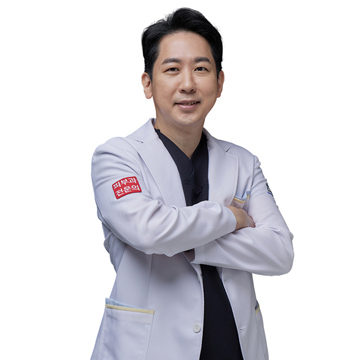
Dr. Lee Jung Hoon
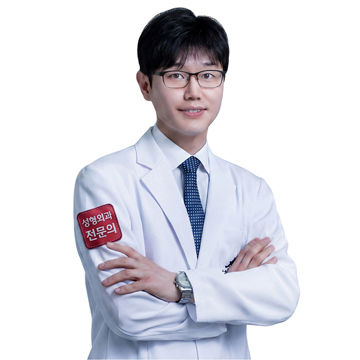
Dr. Choi Hang Seok

Dr. Kim Sung Wook
PRP Hair Restoration sits under SeouLeaguer Dermatology's Hair Loss Treatment specialty, where candidacy assessment and treatment planning are shared by the clinic's three specialists: Dr. Lee Jung Hoon (board-certified dermatologist, Chief Director, 24+ years of practice), Dr. Kim Sung Wook (board-certified dermatologist, 29+ years of experience, professor of dermatology at the Catholic University of Korea), and Dr. Choi Hang Seok (board-certified plastic surgeon, residency at Seoul St. Mary's Hospital, The Catholic University of Korea). The process begins with a 1:1 specialist evaluation and digital scalp analysis to assess follicle health, hair density, and the underlying pattern of hair loss before a targeted treatment plan is created, since confirming that enough active follicles remain in the treatment area is central to whether PRP is actually an appropriate choice for a given patient.
Who Is a Good Candidate for PRP Hair Restoration?
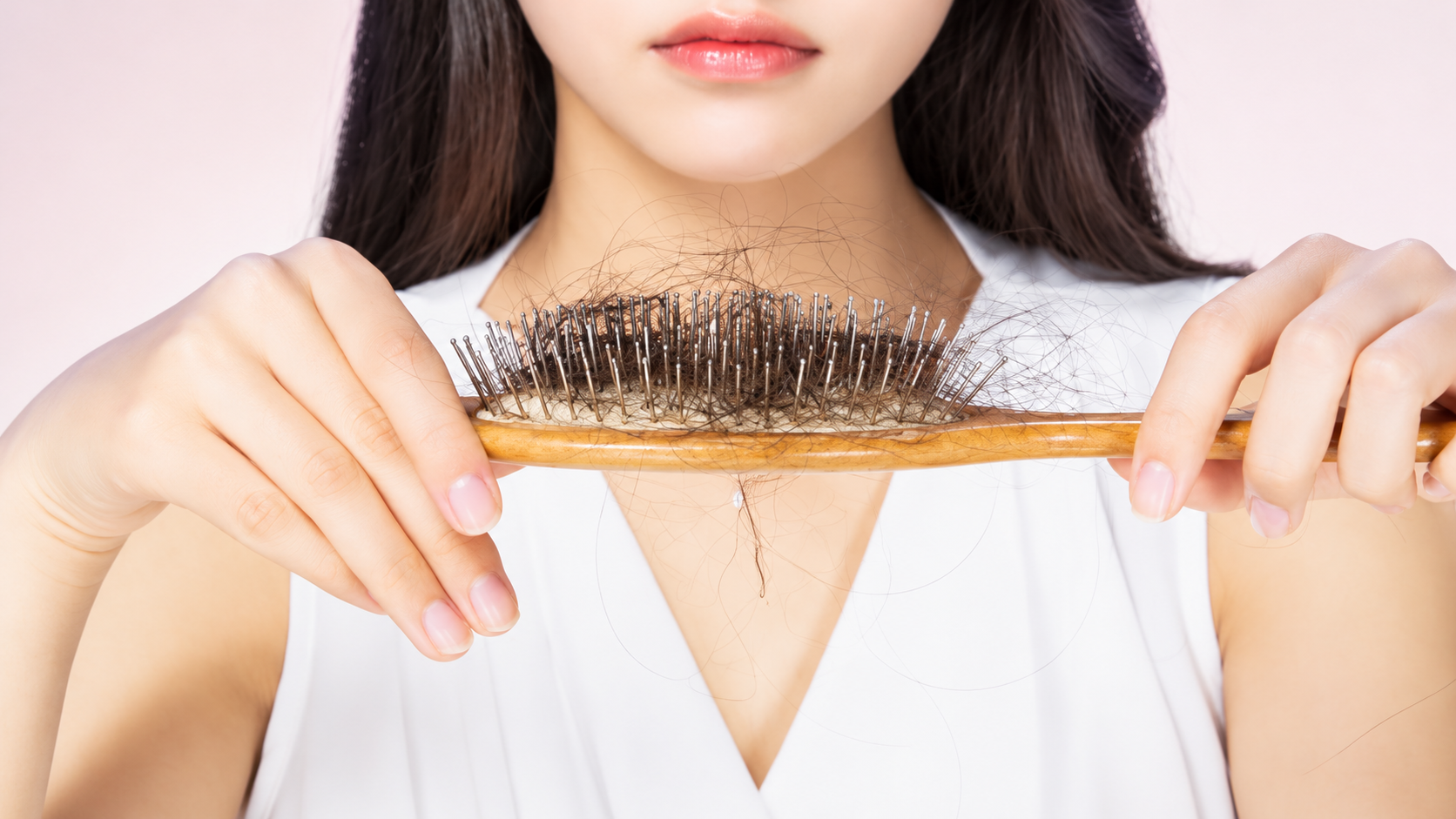
- Adults with early-to-moderate hair thinning, localized crown thinning, hairline recession, or weakened hair follicles who still have active hair roots.
- Patients confirmed at consultation to have enough biologically active follicles remaining in the treatment area for PRP to have a reasonable chance of helping.
- Patients with certain types of scarring alopecia, active scalp infection or inflammation, some blood disorders, platelet disorders, significant bleeding problems, or conditions or medications that substantially affect platelet function may not be appropriate candidates.
- Patients with completely inactive or severely damaged follicles may have limited potential to benefit and should discuss alternative approaches with the treating physician.
What to Expect: Procedure, Recovery, and Results Timeline
| Stage | What typically happens |
|---|---|
| Consultation | 1:1 specialist evaluation and digital scalp analysis of follicle health, hair density and hair-loss pattern. |
| Procedure | Blood drawn, processed via centrifugation to separate platelet-rich plasma, scalp cleansed and prepared, PRP injected into areas of thinning. |
| Duration | Treatment sessions take 30 to 45 minutes; a single visit per session is sufficient. |
| Immediate aftermath | Temporary scalp pain, tenderness, redness, swelling, bruising, or headache can occur after injections. |
| Recovery | Patients can immediately resume normal daily activities, with mild scalp redness or tightness subsiding within 1 to 3 days. |
| Early results | Initial reduction in hair shedding appears within 4 to 6 weeks. |
| Fuller results | Visible increases in density typically develop over 3 to 6 months with multiple sessions. |
Before treatment, patients are asked to avoid anti-inflammatory medications (NSAIDs), blood thinners, alcohol, and heavy smoking to optimize platelet function and reduce bruising. Aftercare includes avoiding washing hair or using harsh hair products for 24 hours, refraining from saunas or hot baths for a few days, and protecting the scalp from direct sunlight.
Because PRP works by stimulating the body's own healing and growth response rather than introducing an external active ingredient, its results tend to build gradually and cumulatively across a series of sessions rather than peaking after a single treatment. Patients are generally advised to plan for multiple sessions spaced over several months when assessing whether PRP is working for them, rather than judging the outcome after only one visit.
Patients are also advised that the early signs of a working treatment are not always the ones they expect. A reduction in daily hair shedding, which many patients notice first by seeing fewer hairs on a pillow or in the shower drain, often appears before any visible increase in overall density, simply because slowing down future loss is a different biological process from regrowing existing thinning areas and tends to show up on a different timeline. Patients who are specifically watching for new, visible density may overlook this earlier sign of the treatment taking effect, which is part of why the clinic generally discusses both of these markers separately at follow-up rather than only the one a patient happens to be focused on.
Longevity and Maintenance
Results from PRP Hair Restoration generally build over a series of sessions, with visible increases in hair density typically developing over 3 to 6 months. Because PRP's effect depends on stimulating the patient's own biological response, how well and how long the benefit holds varies by individual factors including the underlying cause of hair loss, how many active follicles remained in the treated area at baseline, and how consistently the patient follows any accompanying medical therapy.
Many patients choose to continue with periodic maintenance sessions once an initial course has been completed, since the biological stimulation PRP provides does not permanently alter the hair-loss process itself. The treating physician generally recommends a maintenance schedule based on how the individual patient's hair and scalp have responded to the initial sessions, rather than a single fixed interval applied to everyone regardless of individual response.
Combining PRP Hair Restoration with Other Treatments
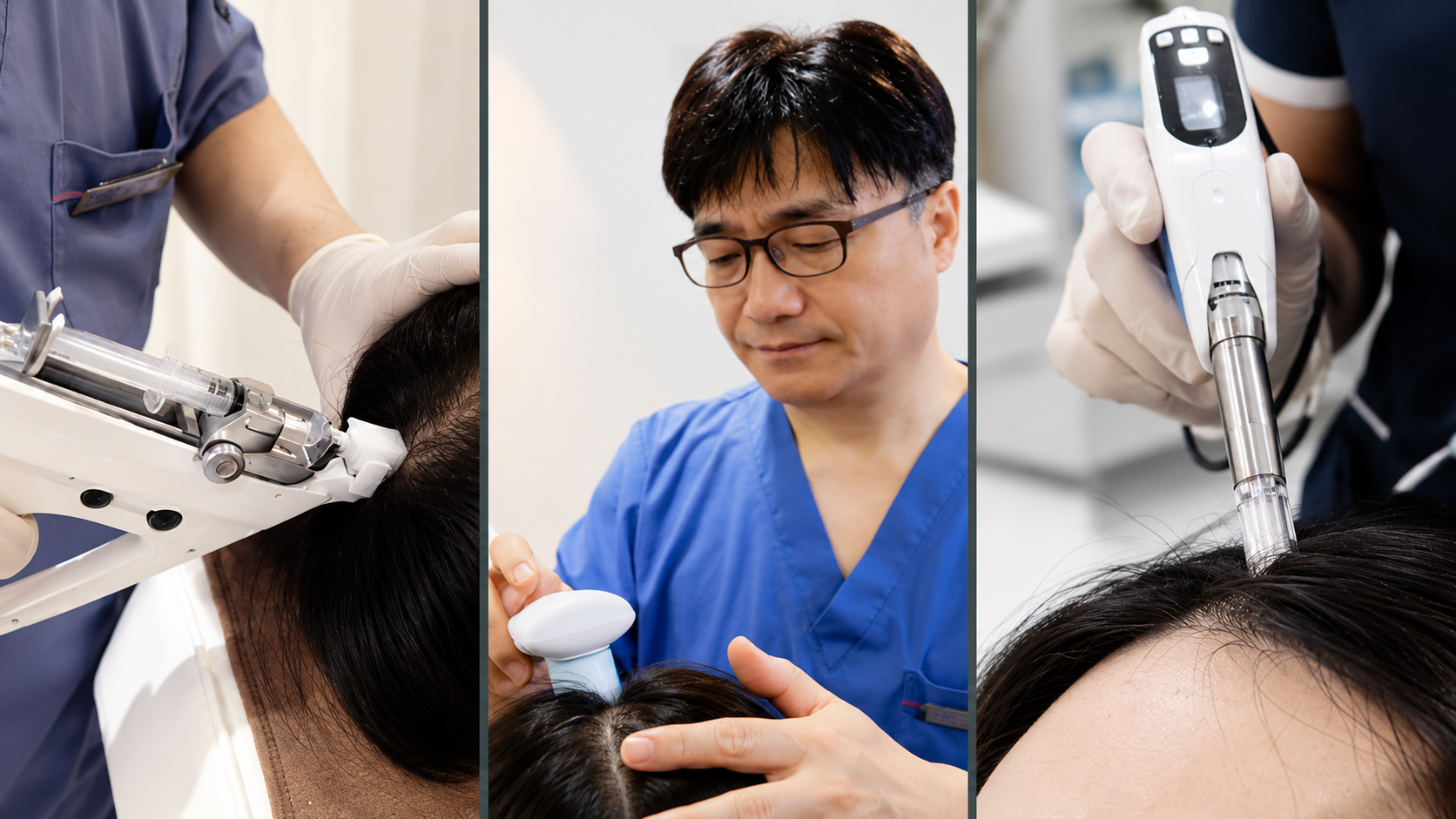
- Frequently combined with scalp microneedling, low-level laser light therapy (LLLT), or topical growth serums to boost follicle stimulation.
- Pairs well with established medication, such as topical minoxidil or oral finasteride, when the diagnosis points to using both together.
- Sometimes discussed alongside Scalp & Hair Follicle Injection Therapy when a patient's diagnosis would benefit from more than one injectable approach.
- The treating physician works out the right combination case by case, weighing the patient's diagnosis, goals, and how far apart sessions need to be spaced.
- Patients visiting from abroad who hope to fit a full PRP course into one trip should discuss realistic session spacing with the treating physician at the first consultation, since the biology involved may call for sessions spaced further apart than a single trip allows.
Safety, Precision, and Clinic Standards
SeouLeaguer Dermatology is a Registered Medical Institution for Attracting Foreign Patients, certified by Korea's Ministry of Health and Welfare under the Act on Support for Overseas Expansion of Medical Services and Attraction of International Patients (Foreign Patient Attraction Registration No. M-2020-01-58584). Temporary scalp pain, tenderness, redness, swelling, bruising, or headache can occur after PRP injections. Less common complications include infection, bleeding, or prolonged inflammation. Because the patient's own blood product is used, allergic reactions to PRP itself are uncommon, although reactions can occur to topical anesthetics or other products used during the procedure.
Because platelet function and bleeding risk are central to PRP's safety profile, the clinic's physicians review each patient's bleeding or clotting disorders, platelet-affecting medications, and relevant medical history before proceeding, and will decline or postpone treatment where a contraindication applies. Patients with scarring alopecia or completely inactive follicles are generally advised on alternative approaches rather than proceeding with PRP, since treating an area with no remaining active follicles is unlikely to produce the result PRP is designed to achieve.
Patients traveling from abroad specifically for this treatment should understand that meaningful density improvement generally takes 3 to 6 months and multiple sessions to become visible, rather than appearing after a single trip. The clinic generally recommends treating an initial visit as the start of a monitored, multi-session process, with remote follow-up where appropriate, rather than expecting a finished result before departure.
The Bottom Line
- PRP Hair Restoration uses the patient's own concentrated blood plasma to stimulate dormant, biologically active hair follicles.
- It is positioned for early-to-moderate hair thinning with active follicles remaining, not for completely inactive or severely damaged follicles.
- Results build gradually across multiple sessions, with density improvements typically visible over 3 to 6 months.
- Candidacy is confirmed through digital scalp analysis by the clinic's board-certified dermatologists, with the clinic's plastic surgeon part of its collaborative care model, rather than assumed from a patient's own description of their hair loss.
Frequently Asked Questions
**Is PRP Hair Restoration painful?**A topical numbing cream, local anesthetic, cooling, or another pain-control method may be used; most patients describe only brief stinging or discomfort during the injections.**How long does each PRP treatment session take?**Treatment sessions take 30 to 45 minutes; a single visit per session is sufficient.**How many days should I stay in Korea for PRP?**As recovery is brief and patients resume normal activities immediately, a single visit per session is typically sufficient, though a full course may call for sessions spaced across multiple trips.**When will I start to see results from PRP?**Initial reduction in hair shedding appears within 4 to 6 weeks, with visible increases in density typically developing over 3 to 6 months with multiple sessions.**How long do results last after PRP Hair Restoration?**Longevity varies by individual factors including the underlying cause of hair loss and how many active follicles remained at baseline; many patients continue with periodic maintenance sessions.Can PRP Hair Restoration be combined with other treatments? Yes, commonly with scalp microneedling, low-level laser therapy, or established medication such as minoxidil or finasteride, with the specific combination worked out at your consultation.
Book a Consultation at SeouLeaguer Dermatology
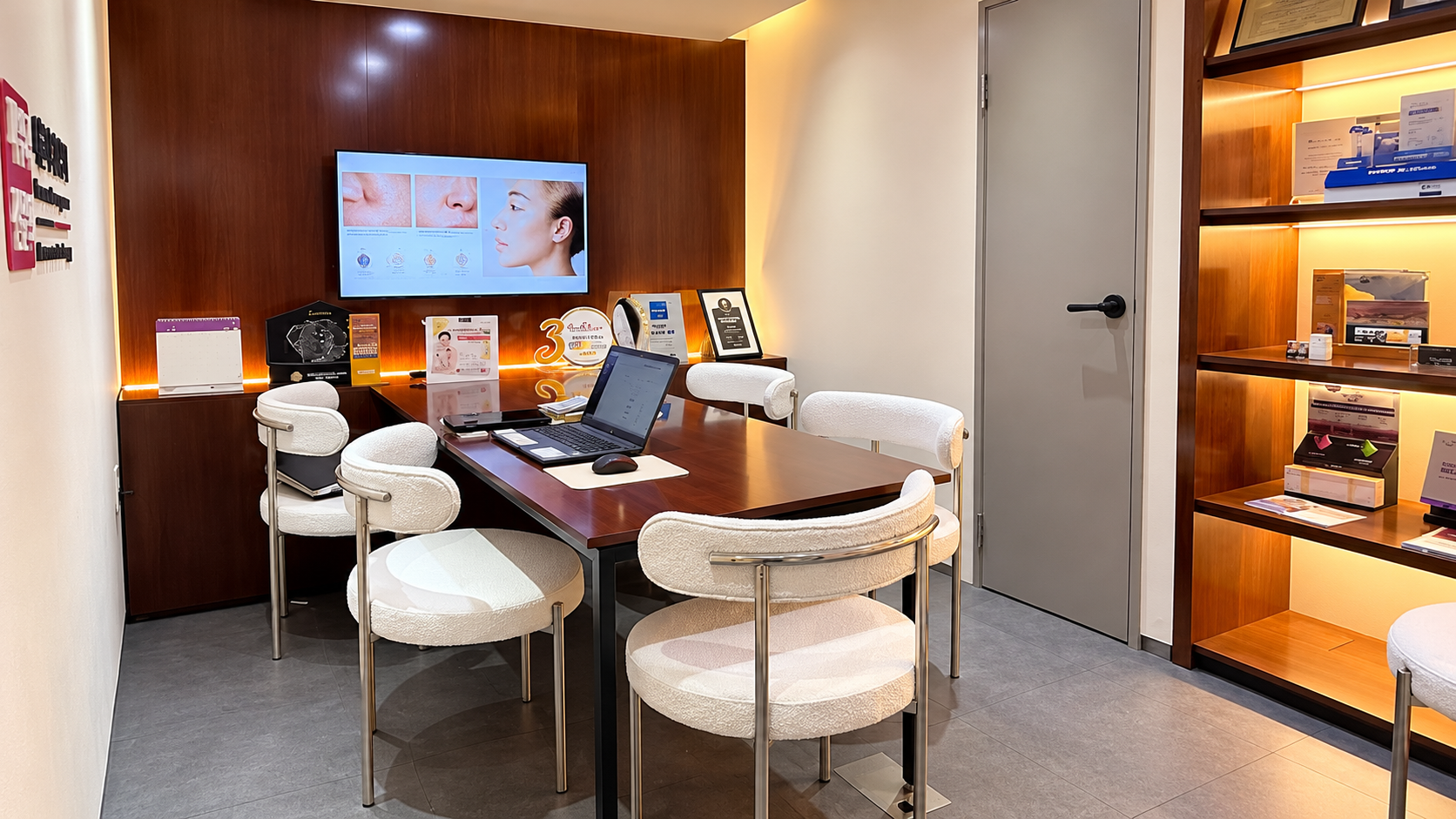
To find out whether PRP Hair Restoration fits your diagnosis, book a consultation with SeouLeaguer Dermatology's dermatology and plastic surgery team in Gangnam, Seoul.
Disclaimer
This page is for general informational purposes only and does not constitute medical advice. Individual results vary, and a qualified physician should assess your suitability for any treatment described here before proceeding.
Sources & Further Reading
Other Services
Explore additional treatments offered by our specialists.
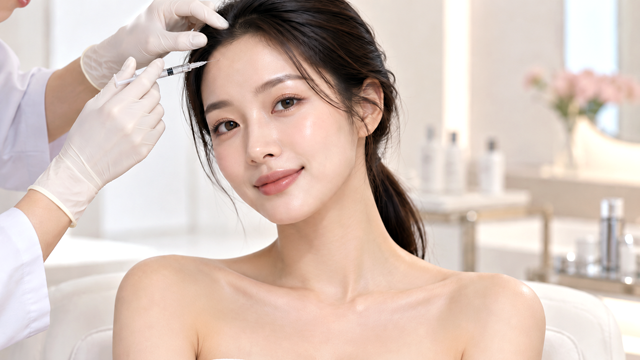
Botox Injections for Wrinkles
Botox Injections for Wrinkles target the specific facial muscles whose repeated contraction, over years of expression, creates dynamic wrinkles.
Learn More

Oxygen Detox Care
Oxygen Detox Care is a non-invasive skin-care treatment designed to refresh and hydrate the skin using an oxygen-focused care method.
Learn More
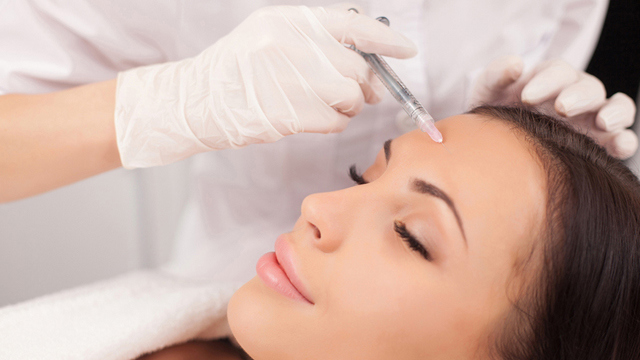
Hyaluronic Acid Filler
Hyaluronic Acid Filler restores facial volume, smooths lines and folds, and enhances facial contours through minimally invasive injections.
Learn More