Personalized Medical Care & Dedicated International Patient Concierge


Non-Surgical Facial Lifting & Skin Tightening · Needs Clinic Confirmation
Multi-Device Combination Lifting
Multi-Device Combination Lifting combines two or more non-surgical lifting technologies, such as HIFU, radiofrequency, and microwave, in one personalized plan. Each technology works at a different tissue depth, so toget…
Schedule a ConsultationMulti-Device Combination Lifting

Medically reviewed by Dr. Lee Jung Hoon, Dr. Kim Sung Wook (board-certified dermatologists) and Dr. Choi Hang Seok (board-certified plastic surgeon), SeouLeaguer Dermatology, Seoul
Multi-Device Combination Lifting combines two or more non-surgical lifting technologies in one customized treatment plan, drawing from HIFU/ultrasound, radiofrequency, microwave or other energy-based technologies within SeouLeaguer Dermatology's lifting specialty to address different areas or tissue depths in a single coordinated plan.
What Is Multi-Device Combination Lifting?
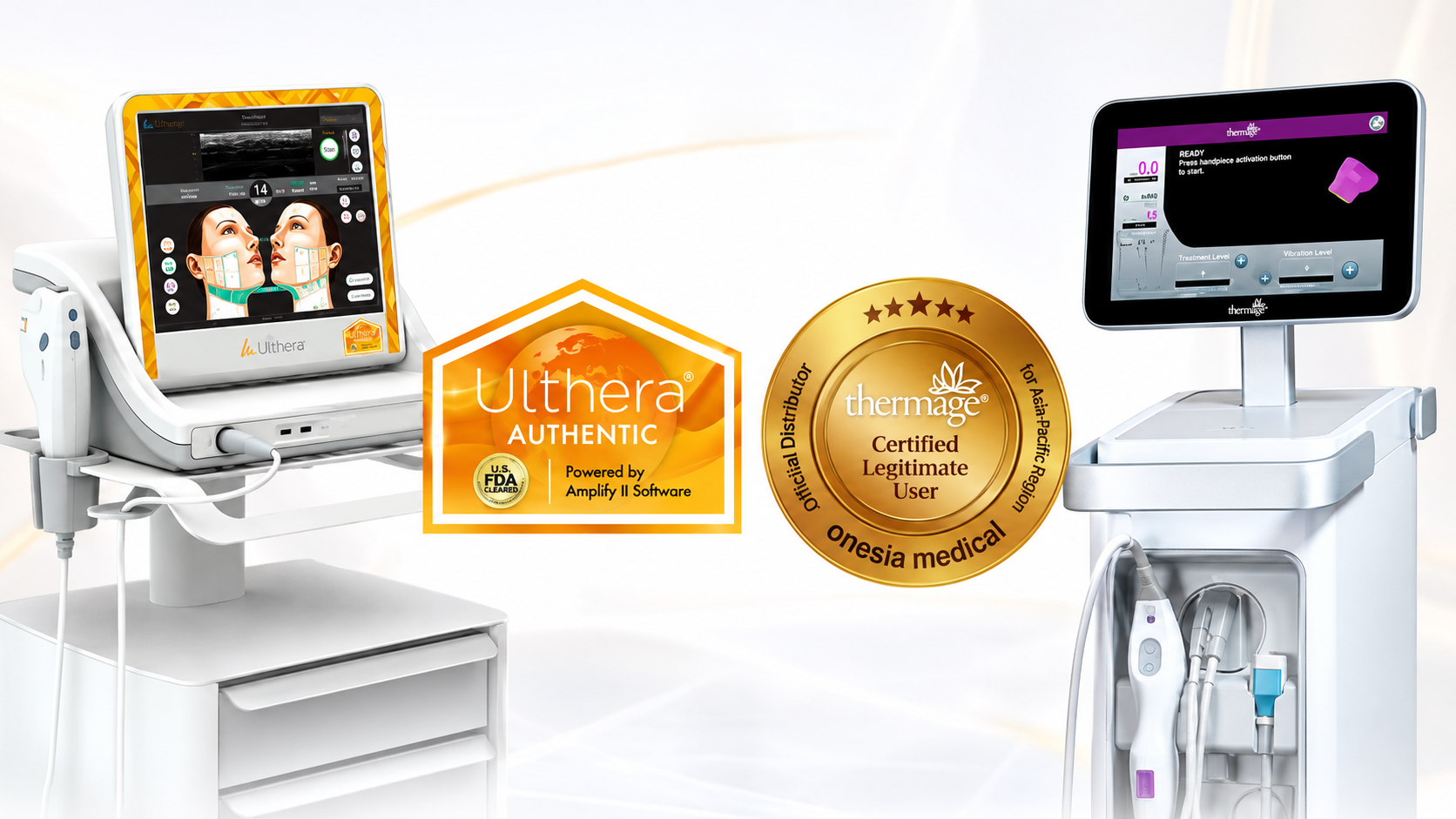
Multi-Device Combination Lifting is not a single branded device or technology in its own right; it is a treatment philosophy that draws on several of the energy-based technologies already offered within SeouLeaguer Dermatology's Non-Surgical Facial Lifting & Skin Tightening specialty — such as Ultherapy PRIME®, Thermage FLX®, ONDA Lifting, Oligio, Shurink Universe, Titanium Lifting, InMode Lifting, Sofwave™, AllTite Lifting and Corage 2.0 — and combines a selection of them into one personalized plan. The underlying logic is that no single energy modality addresses every tissue depth or every type of aging concern equally well: HIFU/MFU technologies are generally understood to reach deeper structural layers, radiofrequency technologies are generally understood to work more broadly across the dermis, and microwave-based technologies are generally understood to target subcutaneous fat and tissue in a different way again. By selecting a combination suited to the individual patient's anatomy and concerns, the treating physician aims to produce a more comprehensive non-surgical result than any one device alone might achieve.
This approach reflects a broader pattern seen across non-surgical facial rejuvenation generally: as more distinct energy-based technologies have become available, clinics increasingly describe treatment planning in terms of "layering" different mechanisms rather than relying on a single device to address every concern a patient brings to consultation. For SeouLeaguer Dermatology, offering this kind of combination planning as its own named service, rather than leaving patients to assemble a plan informally across separate consultations, is intended to make clear from the outset that a multi-technology plan is a deliberate, physician-led strategy rather than an upsell added piecemeal over the course of treatment. Patients considering this option should understand that the specific technologies ultimately recommended depend entirely on their individual anatomy, and two patients who both book a "Multi-Device Combination Lifting" consultation may walk away with meaningfully different treatment plans.
- Mechanism: a physician-selected combination of two or more existing energy-based lifting technologies, sequenced and tailored to the patient's specific concerns.
- Positioned for patients with more than one aging concern — such as deep laxity, skin looseness, jowls, a double chin, reduced elasticity or facial-contour concerns — occurring together.
- Anesthesia depends on the specific technologies selected; many non-invasive HIFU and RF treatments do not require general anesthesia, though topical numbing may be used for some components.
- Because the treatment plan is assembled individually, no two Multi-Device Combination Lifting patients necessarily receive the exact same combination of technologies or sequence.
How Multi-Device Combination Lifting Compares to Other Options in This Specialty
The clearest way to understand Multi-Device Combination Lifting is by contrast with each single-device option elsewhere in the specialty. A single-device HIFU treatment such as Ultherapy PRIME® or Shurink Universe generally focuses on deeper lifting through ultrasound energy delivered at a specific tissue depth. A single-device RF treatment such as Thermage FLX® or Oligio focuses primarily on radiofrequency-based tightening and collagen remodeling across a different tissue plane. InMode Lifting may be selected on its own when contouring or fullness is a specific concern that benefits from its particular bipolar RF delivery. A surgical facelift, available through the clinic's plastic surgeon, provides a categorically different and more invasive level of tissue repositioning that no combination of non-surgical devices is intended to replicate. Multi-Device Combination Lifting is intended to customize treatment to the individual rather than to establish that using multiple devices is automatically superior to a well-chosen single technology; for many patients with a single, well-defined concern, one of the clinic's individual technologies may be entirely sufficient, and the physician will say so rather than defaulting to a combination approach.
Who Performs Multi-Device Combination Lifting at SeouLeaguer Dermatology
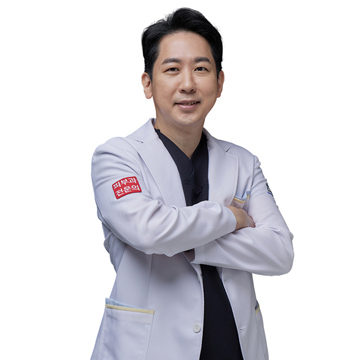
Dr. Lee Jung Hoon

Dr. Choi Hang Seok

Dr. Kim Sung Wook
Because Multi-Device Combination Lifting requires selecting and sequencing more than one technology, candidacy assessment and treatment planning benefit particularly from SeouLeaguer Dermatology's three-physician team: Dr. Lee Jung Hoon (board-certified dermatologist, Chief Director, 24+ years of practice), Dr. Kim Sung Wook (board-certified dermatologist, 29+ years of experience, professor of dermatology at the Catholic University of Korea), and Dr. Choi Hang Seok (board-certified plastic surgeon, residency at Seoul St. Mary's Hospital, The Catholic University of Korea). The treating physician evaluates skin thickness, elasticity, the degree and direction of sagging, facial fat and volume, facial anatomy and the patient's goals before selecting the specific devices, treatment areas and sequence — a more involved planning process than selecting a single standalone technology, since each additional device introduces its own considerations around treatment intensity, cumulative downtime and appropriate spacing.
Who Is a Good Candidate for Multi-Device Combination Lifting?
- Adults with mild-to-moderate facial laxity or multiple aging concerns occurring together that may not be adequately addressed by one technology alone.
- Candidates should have realistic expectations about what a combination of non-surgical technologies can achieve and be medically suitable for each individually selected treatment, not only for the combination as a whole.
- Patients with active infection, open wounds or significant skin irritation in the treatment area should generally postpone any component of the combination until the skin has recovered.
- Patients with certain implanted electronic devices, significant skin sensitivity, pregnancy or other medical conditions require individual assessment, since the specific contraindications depend on which devices are ultimately selected for the plan.
- Patients whose concerns are genuinely limited to a single tissue depth or a single area are often better served by one of the specialty's individual technologies, and the physician will recommend accordingly rather than defaulting to a multi-device plan for its own sake.
What to Expect: Procedure, Recovery, and Results Timeline
Consultation for Multi-Device Combination Lifting is necessarily more involved than for a single-device treatment, since the clinician must evaluate the patient's skin and facial anatomy against several candidate technologies simultaneously before settling on a final plan. The exact order of the procedure depends on which devices and treatment plan are selected; in general, treatments addressing deeper tissue layers are planned before or after those addressing more superficial layers according to the physician's judgment, rather than following one fixed universal sequence. Anesthesia likewise depends on the selected technologies: many non-invasive HIFU and RF treatments do not require general anesthesia, although topical numbing may be used for some individual components of the combination to improve comfort.
Because treatment time depends on the number and type of devices used, the treatment areas involved and the overall treatment plan, a multi-device session can take meaningfully longer than a single-device treatment, and patients should set aside additional time at the clinic accordingly. It is generally performed as an outpatient procedure regardless of how many devices are involved. Side effects depend on the specific devices used and may include redness, warmth, swelling, tenderness, sensitivity, bruising or temporary discomfort; energy-based treatments in general can also cause burns, pigmentation changes or prolonged irritation if inappropriate settings or technique are used, and combining multiple treatments in the same session or close together can increase overall treatment intensity, which is why proper planning and spacing between components matters. Recovery similarly depends on the combination selected: many non-invasive energy treatments individually have relatively short downtime, but if a particular combination includes a component with a longer recovery profile, overall recovery for the full plan may be correspondingly longer.
Before treatment, patients should arrive with clean skin and follow any clinic-specific instructions regarding skincare or sun exposure. Aftercare generally involves keeping the treated area clean and moisturized, using sun protection, and avoiding excessive heat, friction or irritating skincare products until the skin has settled across all treated areas. Results vary according to the specific devices used and the patient's own skin condition: some changes may appear relatively soon after treatment, particularly from any mechanical or structural component of the plan, while collagen-related improvement from the energy-based components can develop progressively over several weeks or months as the body responds to each treatment layer. Longevity varies accordingly, and maintenance treatment — potentially targeting only some components of the original combination rather than repeating the full plan — may be recommended depending on how the patient's results and goals evolve over time.
Patients traveling from abroad for Multi-Device Combination Lifting should discuss the practical logistics of a multi-component plan at consultation, since combining treatments may mean a longer single visit, or in some cases a treatment plan spread across more than one appointment during the same trip, depending on which technologies are involved and how the physician prefers to space them for safety and comfort. This is one of the key planning questions that distinguishes Multi-Device Combination Lifting from a standard single-device booking, and international patients in particular are encouraged to raise their travel timeline early in the consultation process so that the physician can design a plan compatible with the length of the planned stay in Seoul.
Longevity and Maintenance
Because Multi-Device Combination Lifting draws on more than one underlying technology, its longevity cannot be summarized by a single number the way a standalone treatment's might be; each component technology carries its own typical timeline, and the combined result reflects how those timelines overlap and interact for the individual patient. Patients are generally advised to revisit the question of maintenance with their physician once the initial combined result has fully developed, since by that point it is clearer which components of the original plan are holding their effect well and which, if any, might benefit from an earlier repeat treatment. Some patients maintain their result by periodically repeating only the specific component technology that addressed their primary concern, rather than repeating the entire original combination, which can make maintenance more efficient over time as the physician learns which elements matter most for that patient's anatomy and goals.
Because this personalized, iterative approach to maintenance depends on an ongoing relationship with the treating physician, patients who undergo Multi-Device Combination Lifting while visiting from abroad are encouraged to keep in touch with the clinic about how their results are holding up over time, even from a distance, so that any future visit to Seoul for maintenance can be planned around an informed, up-to-date picture of which components of the original combination are worth repeating.
Combining Multi-Device Combination Lifting with Other Treatments
By definition, this service already represents a combination of technologies within the lifting specialty; any further combination with treatments addressing other concerns — such as volume restoration, pigmentation or skin texture — is planned individually and conservatively by the treating physician, who weighs the cumulative treatment intensity and recovery burden of adding yet another modality on top of an already multi-component lifting plan. For many patients, the physician will recommend completing and assessing the Multi-Device Combination Lifting plan first, before layering in treatments for unrelated concerns, so that the combined lifting result can be evaluated clearly on its own.
Safety, Precision, and Clinic Standards
SeouLeaguer Dermatology is a Registered Medical Institution for Attracting Foreign Patients, certified by Korea's Ministry of Health and Welfare under the Act on Support for Overseas Expansion of Medical Services and Attraction of International Patients (Foreign Patient Attraction Registration No. M-2020-01-58584). Because Multi-Device Combination Lifting involves selecting and sequencing more than one energy-based technology, the clinic's safety approach places particular weight on individualized device selection and appropriate spacing between components, since combining multiple treatments can increase overall treatment intensity if planned without care. Possible side effects depend on which specific devices are used and may include redness, warmth, swelling, tenderness, sensitivity, bruising or temporary discomfort, with less common risks of burns, pigmentation changes or prolonged irritation if inappropriate settings or technique are used for any individual component.
The clinic's physicians review implanted electronic devices, significant skin sensitivity, pregnancy, active infection and other relevant medical history before finalizing a multi-device plan, and will decline, postpone or modify any individual component where a contraindication applies to that specific technology, even if the remainder of the plan can still proceed safely. Patients considering Multi-Device Combination Lifting are encouraged to discuss with the physician exactly which technologies are being proposed and why, so that the rationale for the specific combination — rather than a generic assumption that "more is better" — is clear before proceeding.
The Bottom Line
In short, Multi-Device Combination Lifting suits patients with more than one aging concern occurring together who want a personalized plan drawing on several of the specialty's energy-based technologies, rather than patients whose concerns are well addressed by a single device. It is best understood as a customization strategy built on the clinic's existing individual technologies, not as a separate technology in its own right, and the value of the service lies in the physician's judgment about which combination fits a given patient rather than in any single piece of equipment.
- Multi-Device Combination Lifting combines two or more of the specialty's existing energy-based technologies into one personalized plan.
- It is positioned for patients with multiple aging concerns occurring together, not as a universal upgrade over single-device treatment.
- Treatment time and recovery depend on which specific devices are selected and how they are sequenced.
- Results and longevity reflect how the component technologies' individual timelines overlap for that patient.
- Candidacy, device selection and sequencing are determined collaboratively by the clinic's dermatologists and plastic surgeon.
Frequently Asked Questions
**Am I a good candidate for Multi-Device Combination Lifting?**Adults with mild-to-moderate facial laxity or multiple aging concerns that may not be adequately addressed by one technology alone, who have realistic expectations and are medically suitable for each selected treatment.**Is Multi-Device Combination Lifting safe for international patients?**Yes, it can be performed safely for eligible international patients in Korea, with contraindications carefully assessed individually for each component technology that is ultimately selected for the plan.**How long does treatment take?**Treatment time depends on the number and type of devices used, the treatment areas involved and the treatment plan; a multi-device session can take longer than a single-device treatment.**Is it painful?**Sensation depends on the devices used; patients may experience warmth, heat, tingling, pressure or mild discomfort, with intensity varying according to the specific technologies and individual sensitivity.**How many days should I stay in Korea for this treatment?**Multi-device lifting is generally an outpatient treatment and usually does not require an extended medical stay; a short visit may be sufficient, depending on the specific treatment plan and any recommended follow-up.**When will I see results, and when is the final result?**Some tightening or contour change may be noticed relatively soon after treatment, with additional improvement developing gradually over the following weeks as the skin responds to each modality; because results can continue developing for several weeks or months, no single fixed final-result date is promised.What should I ask the physician before booking? It is worth asking exactly which technologies are being proposed for your specific plan and why that combination was chosen over a single-device option, so the rationale is clear before treatment begins, and whether any component could reasonably be deferred to a later visit.
Book a Consultation at SeouLeaguer Dermatology
To find out whether a personalized Multi-Device Combination Lifting plan, or one of the specialty's individual technologies, best fits your concerns, book a consultation with SeouLeaguer Dermatology's dermatology and plastic surgery team in Gangnam, Seoul.
Disclaimer
This page is for general informational purposes only and does not constitute medical advice. Individual results vary, and a qualified physician should assess your suitability for any treatment described here before proceeding.
Sources & Further Reading
Other Services
Explore additional treatments offered by our specialists.

Botox Injections for Wrinkles
Botox Injections for Wrinkles target the specific facial muscles whose repeated contraction, over years of expression, creates dynamic wrinkles.
Learn More

Oxygen Detox Care
Oxygen Detox Care is a non-invasive skin-care treatment designed to refresh and hydrate the skin using an oxygen-focused care method.
Learn More
Hyaluronic Acid Filler
Hyaluronic Acid Filler restores facial volume, smooths lines and folds, and enhances facial contours through minimally invasive injections.
Learn More