Personalized Medical Care & Dedicated International Patient Concierge

Dermal Fillers & Volumizing Injections · Needs Clinic Confirmation
Collagen-Stimulating Filler
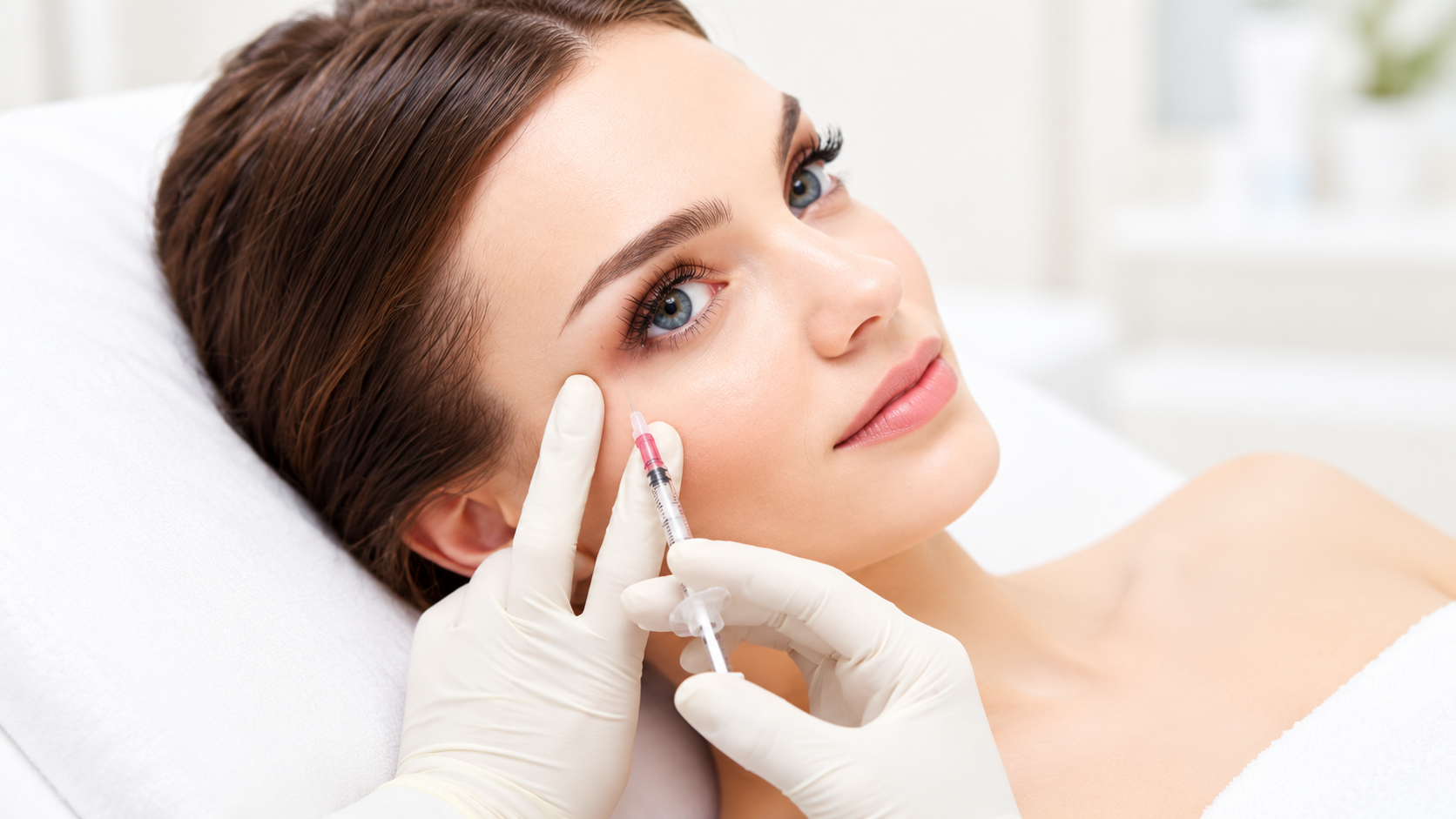
Collagen-Stimulating Filler promotes natural collagen production to gradually improve facial volume, skin firmness, texture, and contours.
Schedule a ConsultationCollagen-Stimulating Filler
Medically reviewed by Dr. Lee Jung Hoon, Dr. Kim Sung Wook (board-certified dermatologists) and Dr. Choi Hang Seok (board-certified plastic surgeon), SeouLeaguer Dermatology, Seoul
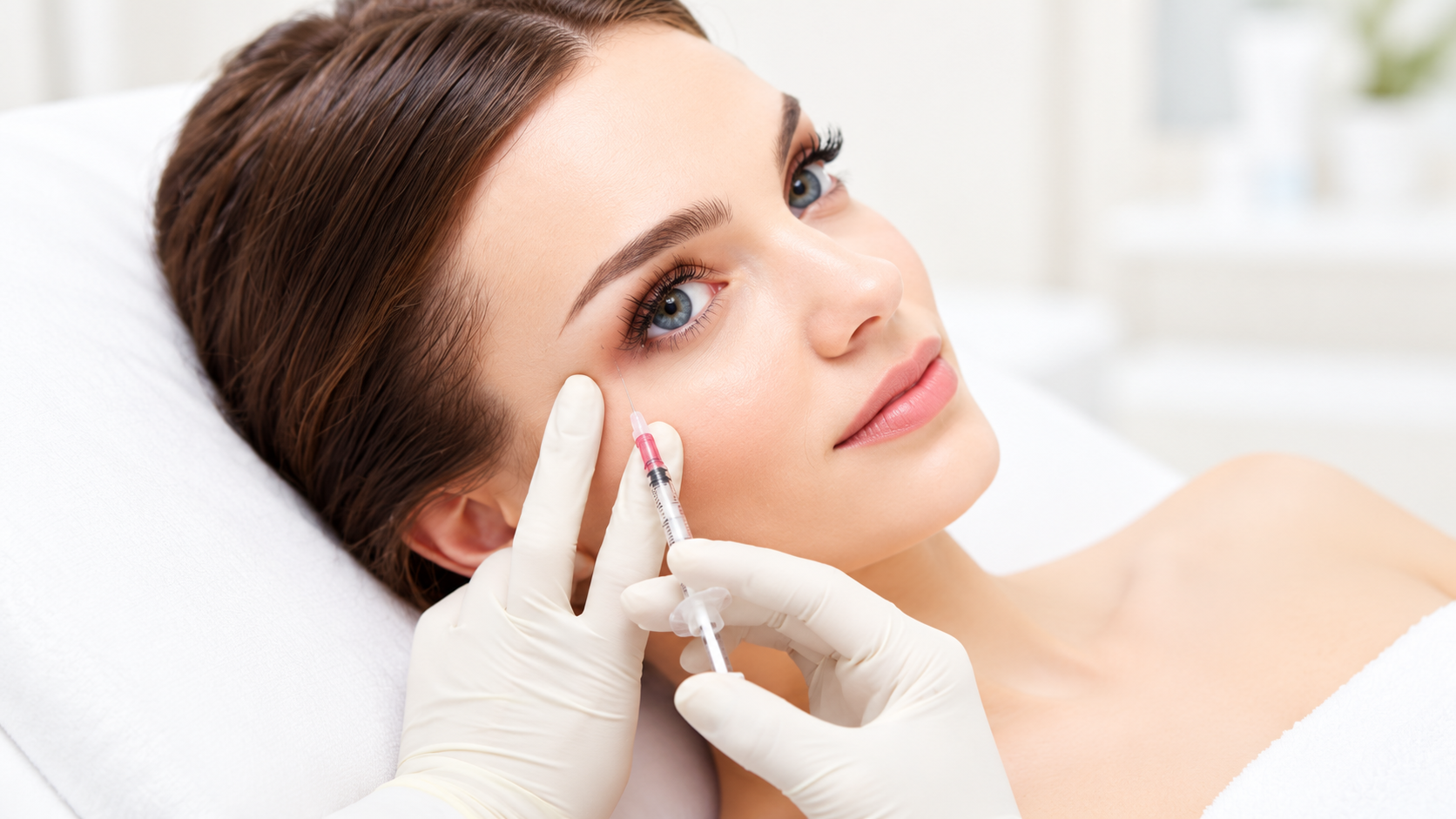
Collagen-Stimulating Filler is an injectable treatment designed to stimulate the body's own collagen production and improve the appearance of volume loss, skin firmness, texture, or selected facial contours, with results developing gradually rather than immediately.
What Is Collagen-Stimulating Filler?
Unlike fillers that primarily provide immediate volume by physically occupying space beneath the skin, collagen-stimulating products generally work by prompting the body's own biological response — the injected material encourages the skin's own collagen-producing cells to become more active over the following weeks and months, producing a gradual improvement in firmness, texture, and volume that builds over time rather than appearing all at once.
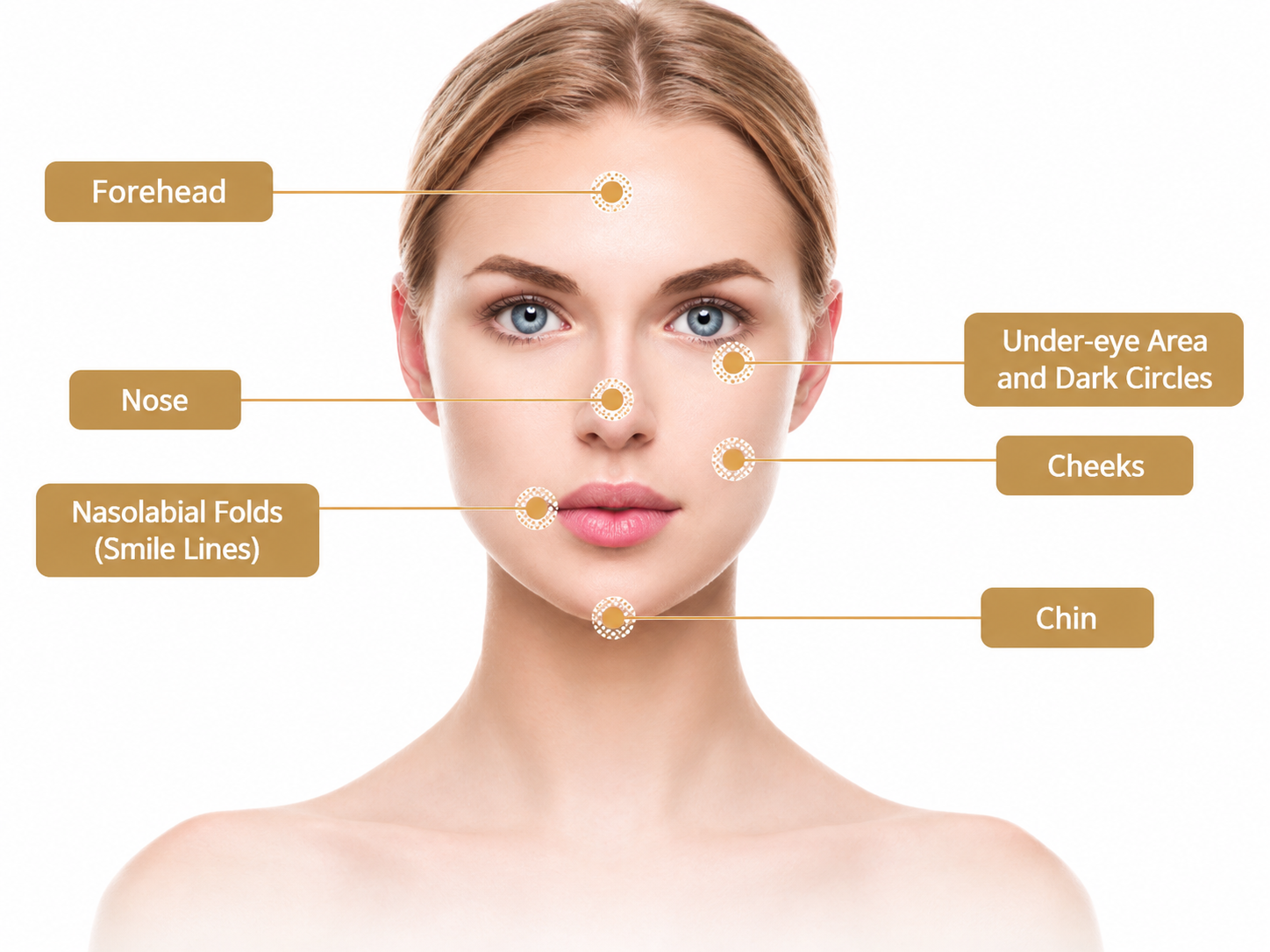
U.S. patients may seek collagen-stimulating injectables for gradual facial rejuvenation, improvement in skin firmness and quality, subtle contour enhancement, treatment of age-related volume changes, and a minimally invasive alternative to some surgical procedures. Patients may also prefer this approach specifically because the gradual, cumulative nature of the result can look more naturally integrated than an immediate-volume change, since the improvement emerges alongside the skin's own biological timeline rather than appearing as a sudden, visibly "done" change.
This gradual quality is also why the service tends to appeal to a particular kind of patient at consultation: someone who is specifically wary of looking "overdone" or of friends and colleagues noticing an abrupt change, and who would rather a slower, less conspicuous improvement even if it means waiting longer to see the full effect. The treating physician generally raises this trade-off directly during consultation, since a patient who actually wants a fast, visible transformation before a specific event is likely to be better served by an immediate-volume filler instead, and recommending the wrong product for a patient's actual timeline preference is one of the more common mismatches between expectation and treatment choice in this category.
- Mechanism: an injectable product that stimulates the body's own collagen production, with results building gradually over weeks to months as collagen remodeling occurs.
- Positioned for adults with appropriate volume loss, reduced firmness, or other concerns that may respond to collagen stimulation, who understand results develop gradually rather than immediately.
- Pain-control approach is determined individually for the specific product and treatment area selected.
- Some products may provide an initial improvement from the injection itself, but this should not be confused with the longer-term collagen response that develops afterward.
How Collagen-Stimulating Filler Compares to Other Options in This Specialty
Within this specialty, Collagen-Stimulating Filler is distinguished from the clinic's other services specifically by mechanism and timeline: it works by stimulating the body's own collagen response rather than providing immediate structural volume the way Hyaluronic Acid Filler or Sculpting Filler do. Depending on the concern, alternatives may include hyaluronic acid fillers for more immediate volume, neuromodulators for selected dynamic wrinkles, energy-based skin tightening, other skin-rejuvenation treatments, fat grafting, or surgical facial procedures. The appropriate option depends on the patient's underlying concern, their tolerance for a gradual timeline versus an immediate result, and their treatment goals, which the treating physician assesses directly at consultation.
Who Performs Collagen-Stimulating Filler at SeouLeaguer Dermatology
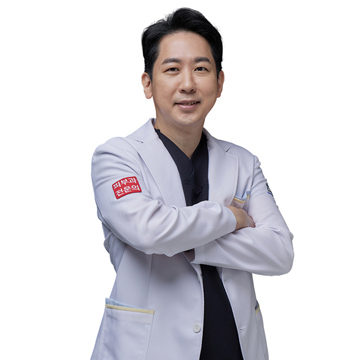
Dr. Lee Jung Hoon

Dr. Choi Hang Seok

Dr. Kim Sung Wook
Collagen-Stimulating Filler sits under SeouLeaguer Dermatology's own specialty grouping, where candidacy assessment and injection planning are shared by the clinic's three specialists: Dr. Lee Jung Hoon (board-certified dermatologist, Chief Director, 24+ years of practice), Dr. Kim Sung Wook (board-certified dermatologist, 29+ years of experience, professor of dermatology at the Catholic University of Korea), and Dr. Choi Hang Seok (board-certified plastic surgeon, residency at Seoul St. Mary's Hospital, The Catholic University of Korea). The clinician generally reviews medical history, allergies, medications and supplements, previous fillers or cosmetic procedures, skin condition, facial anatomy, degree of volume loss, and treatment goals, then determines whether a collagen-stimulating injectable is appropriate and discusses the treatment plan before any injection is given.
Who Is a Good Candidate for Collagen-Stimulating Filler?
- Adults with appropriate volume loss, reduced firmness, or other concerns that may respond to collagen stimulation.
- Patients who are medically suitable for injectable treatment, have realistic expectations, and specifically understand that results develop gradually rather than immediately.
- Patients with active infection, inflammation, or broken skin at the treatment area, certain allergies or sensitivities, or uncontrolled medical conditions may need to postpone or avoid treatment.
- Pregnancy or breastfeeding may require postponement depending on the specific product, which the treating physician discusses directly at consultation.
What to Expect: Procedure, Recovery, and Results Timeline

| Stage | What typically happens |
|---|---|
| Consultation | Medical history, allergies, skin condition, facial anatomy, degree of volume loss, and treatment goals reviewed; appropriateness of collagen stimulation assessed. |
| Procedure | Treatment area cleansed and prepared, areas marked as needed, pain-control applied, product injected using the appropriate technique, treated areas assessed afterward. |
| Duration | A treatment session commonly takes approximately 30 to 60 minutes, depending on the number of areas treated. |
| Immediate aftermath | Temporary swelling, redness, tenderness, or bruising may occur on the day of treatment. |
| Recovery | Mild swelling, redness, tenderness, or bruising usually improves over several days; most visible swelling and bruising settles within 1 to 2 weeks. |
| Early effect | Some products may provide an initial improvement from the injection itself, separate from the longer-term collagen response. |
| Longer-term results | Results generally develop gradually over several weeks to months as collagen remodeling occurs. |
Before treatment, patients disclose medical conditions, allergies, medications and supplements, previous fillers or cosmetic procedures, and active skin problems, and follow the clinic's instructions regarding skincare, medications, supplements, and alcohol. Aftercare follows the clinician's instructions regarding touching or massaging the treated area, exercise, heat exposure, alcohol, skincare, and other facial treatments, with recommended follow-up appointments attended; international patients should specifically ask whether remote follow-up is available after returning home.
Because the gradual collagen response is the main point of this treatment, patients are advised not to judge the result based on the appearance in the first one to two weeks, when any effect visible is more likely to reflect residual swelling or the product's immediate physical presence than the collagen-stimulation process itself. The clinic generally recommends waiting until the appropriate follow-up point, often several weeks or months out, before assessing whether the treatment has produced the hoped-for improvement in firmness or volume.
This assessment timeline poses a genuine practical challenge for international patients, since a traveling patient's own perception of their result happens largely through memory and photographs taken before leaving Seoul, rather than through the kind of in-person observation a local patient might have at a convenient follow-up visit. The clinic generally recommends that international patients plan to send photographs at agreed intervals after returning home, so the treating physician can review how the collagen response is developing even without an in-person visit, and flag early whether anything about the trajectory looks different from what would normally be expected for the specific product used.
Longevity and Maintenance
Longevity for Collagen-Stimulating Filler varies substantially by product, treatment area, and individual factors, and tends to differ meaningfully from immediate-volume fillers because the mechanism itself is different — rather than a fixed amount of material gradually being metabolized, the treatment prompts a biological remodeling process whose durability depends partly on how the patient's own collagen production continues afterward. The treating physician discusses realistic longevity expectations for the specific product selected at consultation rather than quoting one fixed duration.
Many patients require more than one session to achieve their desired result, often spaced according to the specific product's protocol rather than a single universal interval. Maintenance sessions, when desired, are generally planned based on how the initial collagen response develops and how long the patient's own firmness and volume hold afterward, rather than a fixed calendar schedule applied regardless of individual response.
Because this treatment stimulates a biological process rather than simply placing material in a fixed location, the way an individual patient's body responds to the first session carries useful information for planning any subsequent sessions. A patient whose skin shows a strong, early collagen response may need fewer follow-up sessions than originally planned, while a patient whose response develops more slowly may benefit from an adjusted interval or technique for the next session. This is part of why the clinic generally frames an initial treatment plan as a starting point to be refined after seeing how a given patient actually responds, rather than a fixed protocol decided entirely in advance.
Combining Collagen-Stimulating Filler with Other Treatments
- May be combined with hyaluronic acid filler when a patient wants both an immediate volume change and a longer-term skin-quality improvement.
- Energy-based skin-tightening or other skin-rejuvenation treatments may be layered in to address additional concerns beyond volume and firmness.
- Neuromodulator injections may be combined when a patient's concerns also include dynamic, muscle-driven lines.
- Any combination is planned individually by the treating physician based on anatomy, goals and appropriate spacing between treatments.
- Anyone hoping to combine this with other treatments on one Seoul trip should flag that early, at the first consultation, so the clinic can plan a workable order and spacing.
Safety, Precision, and Clinic Standards
SeouLeaguer Dermatology is a Registered Medical Institution for Attracting Foreign Patients, certified by Korea's Ministry of Health and Welfare under the Act on Support for Overseas Expansion of Medical Services and Attraction of International Patients (Foreign Patient Attraction Registration No. M-2020-01-58584). Common effects may include temporary swelling, redness, tenderness, bruising, itching, or sensitivity. Depending on the product, lumps, nodules, inflammation, asymmetry, infection, or delayed reactions may occur. Rare but serious injection-related complications can include vascular occlusion and tissue injury — the reason the clinic treats accurate anatomical knowledge and careful injection technique as non-negotiable for this procedure.
Because achieving a predictable collagen response depends directly on correct product selection, dosing, and placement, the clinic's physicians assess each patient's specific skin condition and anatomy before treatment rather than applying one standard protocol to every patient. The treating physicians review active infections, allergies, uncontrolled medical conditions, and pregnancy or breastfeeding status before proceeding, and will decline or postpone treatment where a contraindication applies.
Because some reactions to collagen-stimulating products can be delayed rather than immediate, patients are specifically asked to report any lumps, nodules, or unusual firmness that develop weeks or months after treatment, rather than assuming that only issues appearing in the first few days are worth mentioning to the clinic.
This delayed-reaction possibility is a meaningful part of why the clinic emphasizes ongoing communication, rather than treating the in-person visit as the end of the clinical relationship. A nodule or area of unusual firmness that develops months after a collagen-stimulating treatment is not necessarily an emergency, but it is also not something a patient should simply wait out indefinitely on the assumption that the clinic can no longer help once they have left Korea. International patients are specifically encouraged to send photographs and a description of any such change as soon as it is noticed, so the treating physician can advise on next steps rather than the patient managing it alone with no medical input.
The Bottom Line
- Collagen-Stimulating Filler works by prompting the body's own collagen response, with results developing gradually over weeks to months rather than immediately.
- It is positioned for patients with volume loss, reduced firmness, or texture concerns who are comfortable with a gradual timeline.
- Multiple sessions are often required, spaced according to the specific product's protocol.
- Candidacy, product selection and technique are individualized by the clinic's dermatologists and plastic surgeon together.
Frequently Asked Questions
**Is Collagen-Stimulating Filler painful?**Pain-control is determined individually for the product and area treated; most patients describe only mild, temporary discomfort during injection.**How long does treatment take?**A treatment session commonly takes approximately 30 to 60 minutes, depending on the number of areas treated.**How many days should I stay in Korea?**As recovery is generally brief, a single visit per session is typically sufficient, though a full course may call for multiple sessions spaced over time.**When will I see results?**Results generally develop gradually over several weeks to months as collagen remodeling occurs, rather than appearing immediately.**How long do results last?**Longevity varies substantially by product, treatment area, and individual collagen response, discussed specifically at consultation.Can Collagen-Stimulating Filler be combined with other treatments? Yes, commonly with hyaluronic acid filler, neuromodulator injections, or energy-based skin tightening — planned individually at consultation.
Book a Consultation at SeouLeaguer Dermatology
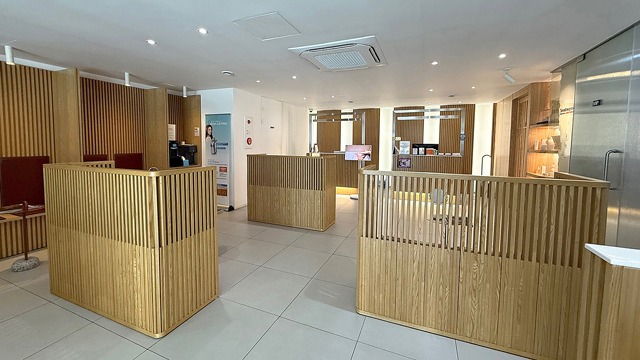
To find out whether Collagen-Stimulating Filler fits your goals, book a consultation with SeouLeaguer Dermatology's dermatology and plastic surgery team in Gangnam, Seoul.
Disclaimer
This page is for general informational purposes only and does not constitute medical advice. Individual results vary, and a qualified physician should assess your suitability for any treatment described here before proceeding.
Sources & Further Reading
Other Services
Explore additional treatments offered by our specialists.

Botox Injections for Wrinkles
Botox Injections for Wrinkles target the specific facial muscles whose repeated contraction, over years of expression, creates dynamic wrinkles.
Learn More

Oxygen Detox Care
Oxygen Detox Care is a non-invasive skin-care treatment designed to refresh and hydrate the skin using an oxygen-focused care method.
Learn More
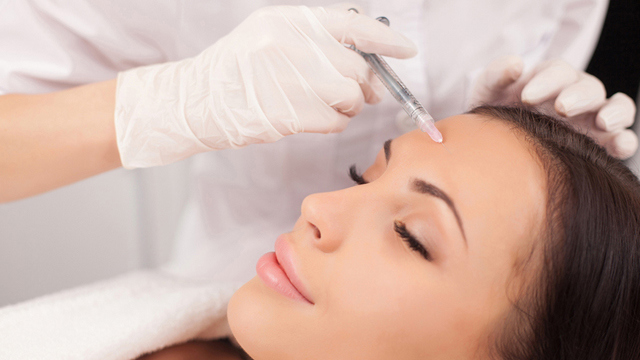
Hyaluronic Acid Filler
Hyaluronic Acid Filler restores facial volume, smooths lines and folds, and enhances facial contours through minimally invasive injections.
Learn More